





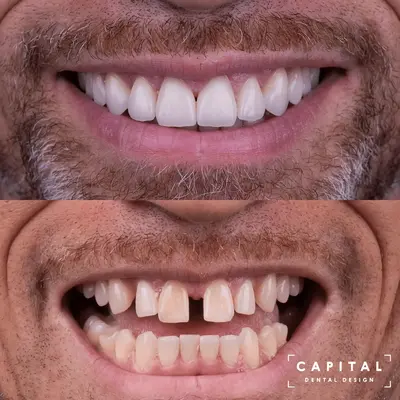
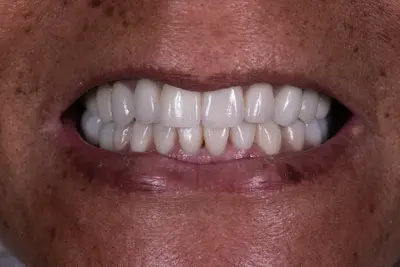

Are you unhappy with how close your teeth are together? Crowded teeth, also called dental crowding, is an incredibly common dental issue.
Beyond just impacting the appearance of the smile, crowded teeth may cause other dental issues if left untreated. Below, we provide more information on what tooth crowding is, the most common causes, and some of the treatments available to fix it.
What Causes Crowded Teeth?
It is common for adults and children to have crowded teeth on both the bottom and top of their mouths. By definition, crowded teeth are caused by a lack of space in the mouth for all the teeth to fit normally.
However, lack of space is not the only cause of dental crowding. Some of the other common causes of crowded teeth include:
- A jaw that is too small
- The teeth are too large and don’t fit comfortably in the jaw
- A combination of large teeth and a small jaw
- A palate that is ogival or narrow-shaped
- Extra or too many teeth
- A broken or missing tooth that allows the other teeth to start to shift
Risks of Crowded Teeth
For most adults, it is common for dental crowding to become more severe as they age. In addition to the change in the smile’s appearance, there are other, more serious long-term risks and dental issues associated with crowded teeth, including:
- Making it more difficult to brush, floss, and properly clean the surfaces of the teeth.
- Increased risk of dental decay and gum disease due to difficulty with cleaning and increased buildup of food debris and plaque between teeth.
- Bad breath is caused by the buildup of odor-causing bacteria.
- Misalignment of the bite can cause abnormal enamel wear, fractures, and extra stress on the jaw muscles.
- Speech issues, including pronunciation difficulties or a lisp.
- Difficulty chewing food, which may lead to discomfort with digestion.
Unfortunately, without treatment, crowded teeth can continue to shift and become more crowded over time. More advanced crowding makes treatment increasingly difficult.
Crowding Severity Evaluation
One of the first steps in addressing overcrowded teeth and determining the best treatment approach is for the dental provider and orthodontist to evaluate the teeth and jaw. During the initial consultation, the dental provider will identify the degree of crowding, determining if the patient has mild, moderate, or severe overcrowding of the top and bottom teeth.
Often, the provider will use an X-ray and a 3D scan during the consultation to gather additional information on the bones and teeth. The degrees of crowding include:
Mild Crowding: Mild crowding is defined as a single tooth having less than 3mm of surrounding space.
Moderate Crowding: Moderate crowding is when 2 or 3 teeth are misaligned with 3-5mm of jaw space missing.
Severe Crowding: Severe crowding is when teeth are not aligned with the jawline, and more than 6mm of space is needed.
Crowded teeth can impact your life in many ways, from your confidence when you smile to more serious oral health risks if left untreated. The good news is that with the right care, crowded teeth are treatable regardless of the severity.
If you are concerned that you have crowded teeth, scheduling a consultation with your dental provider is a great first step. Your dental provider will work with you to develop a treatment plan tailored to your needs and goals.
Related Article: What Causes Crowding Teeth?