





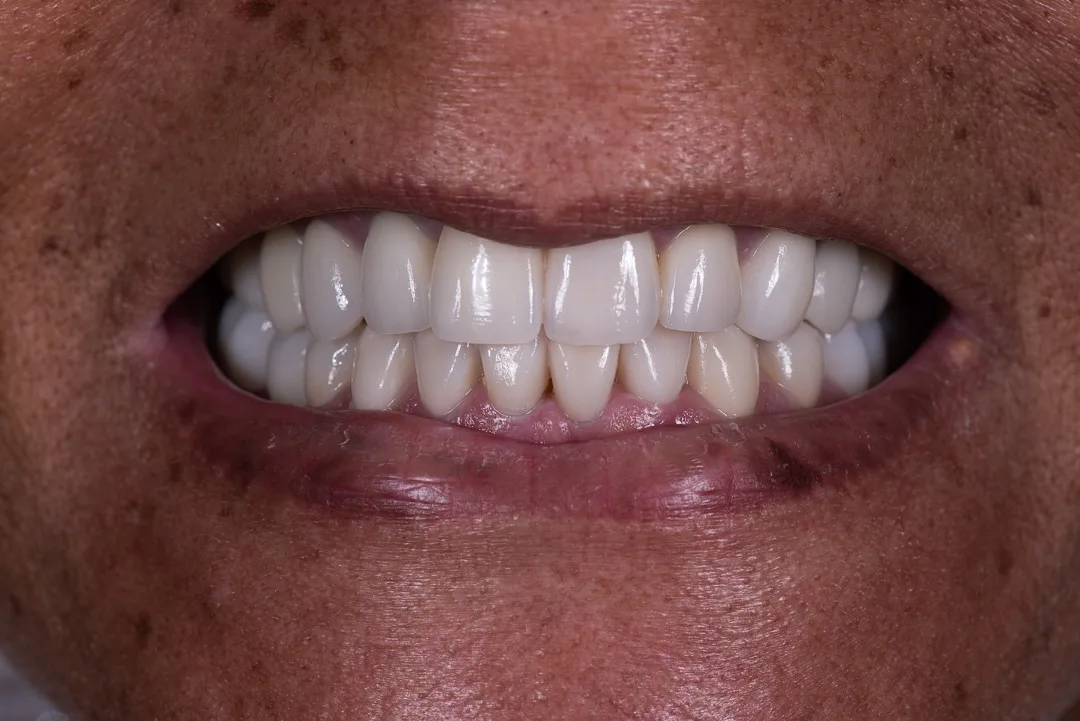

Dental bone loss is the progressive shrinkage of the jawbone that surrounds and supports the teeth․ Bone loss often occurs without symptoms‚ but can have serious implications if left untreated․ Healthy bone tissue is important to keeping teeth stable and in proper position‚ so the loss of healthy tissue can affect both the function and appearance․
Gum disease is one of the most common causes of loss of bone tissue in the jaw․ Plaque and bacteria amass around the gumline and cause persistent inflammation․ As gum disease progresses from mild to moderate‚ not only does the soft tissue become affected‚ but the bone underlying the teeth weakens, and the body resorbs it‚ resulting in weaker support of the teeth․
Another reason for jaw bone, or alveolar bone, loss is missing teeth․ When you lose a tooth as an adult and do not replace it, the bone loses the stimulation from the chewing and biting action․ Without that pressure and force‚ the body begins to resorb and break down the bone material․ The jawbone in the area of the missing tooth can begin to shrink‚ and in most people‚ this can start to happen within the first year after tooth extraction․
Other possible causes include infections and certain chronic conditions․ Some lifestyle factors, such as long-term smoking, may affect the body’s ability to maintain normal bone structure․ Additionally‚ prolonged bite misalignment or teeth grinding may result in localized bone loss around the affected teeth․
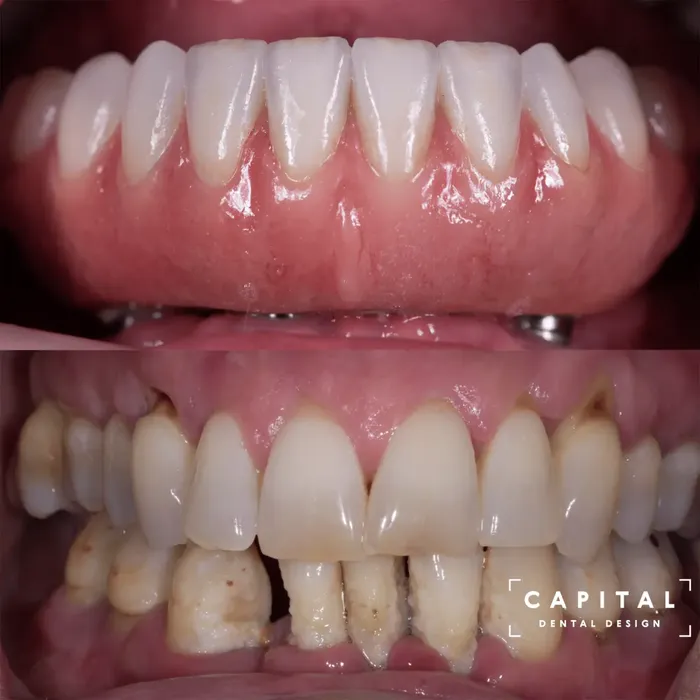
You may not notice the lost bone within the jaw right away‚ but as the condition progresses you may notice that your teeth are sitting differently against each other‚ your teeth are loose‚ or that more of your teeth are visible or exposed than before․ In advanced cases‚ the shape of your face may begin to change because the jawbone is no longer adequately supporting your face․
Diagnosis usually begins with a physical examination and dental X-rays‚ allowing the dentist to measure the amount of bone supporting each tooth and identify the area where the bone loss may have occurred․ Early diagnosis is important for using more conservative treatment methods and potentially avoiding further disease development or progression․
If the cause is periodontal (gum disease)‚ deep cleaning (scaling and root planing‚ or SRP) along with improved oral hygiene may help control the infection and promote retention of the remaining bone․ In patients with more meaningful bone loss‚ regenerative procedures (such as a bone graft) may be performed to regenerate bone and provide a better foundation for teeth or other restorative materials․
Preventative methods for bone loss include brushing and flossing daily‚ as well as regular trips to the dentist for check-ups‚ as improving or maintaining gum health will reduce the risk of gum disease․ Replacement methods can include implants‚ which can provide the same stimulation to bone as roots do․
If you have more questions about dental bone loss or how addressing it could help you achieve better dental health, make an appointment with the dentist to see your treatment options for bone loss.
Related Article: How Do You Fix Dental Bone Loss in Teeth?