




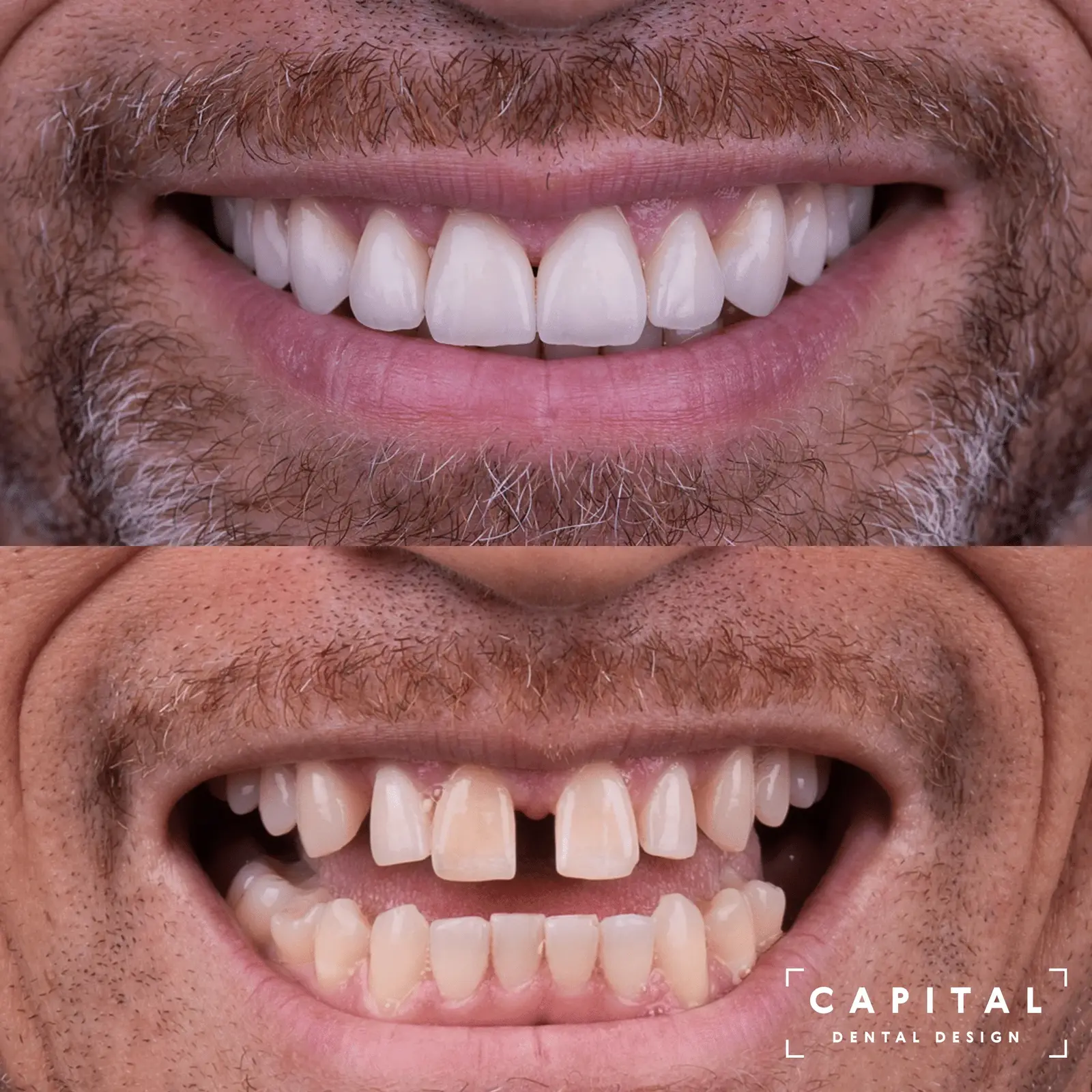
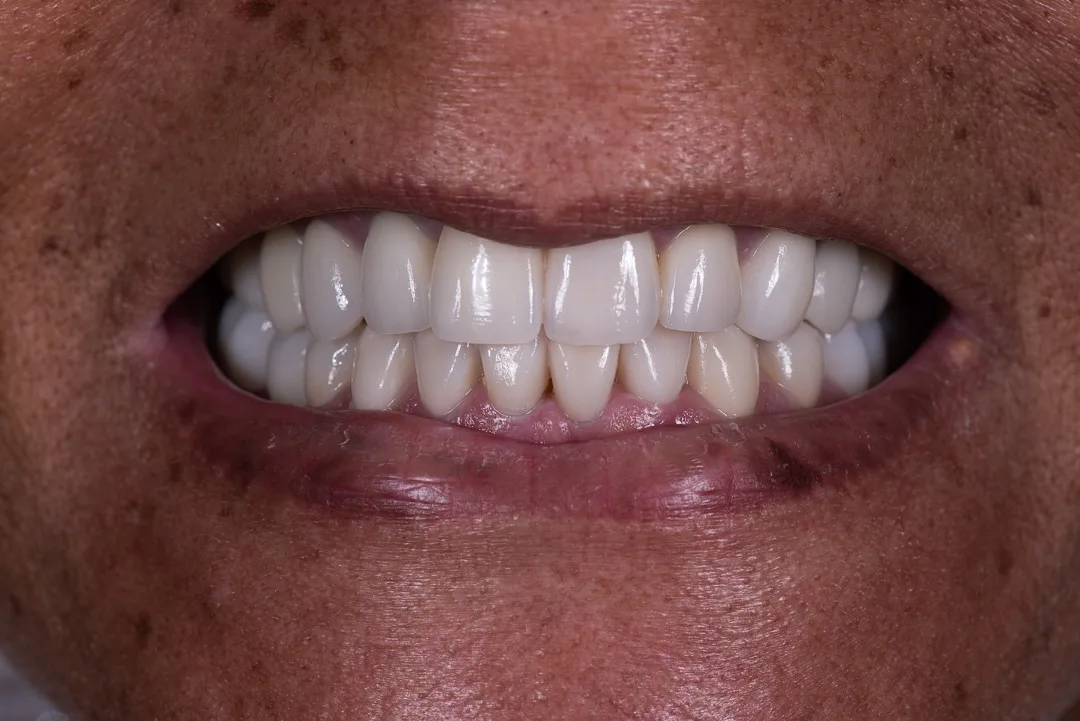

137 Bar Retained Overdenture – What is a Bar Retained Overdenture? (1 of 5)
When a patient is missing teeth, it can negatively impact their confidence and self-esteem. Fortunately, modern dentistry offers numerous tooth-replacement treatments which can help restore a patient’s smile.
Bar Retained Overdenture
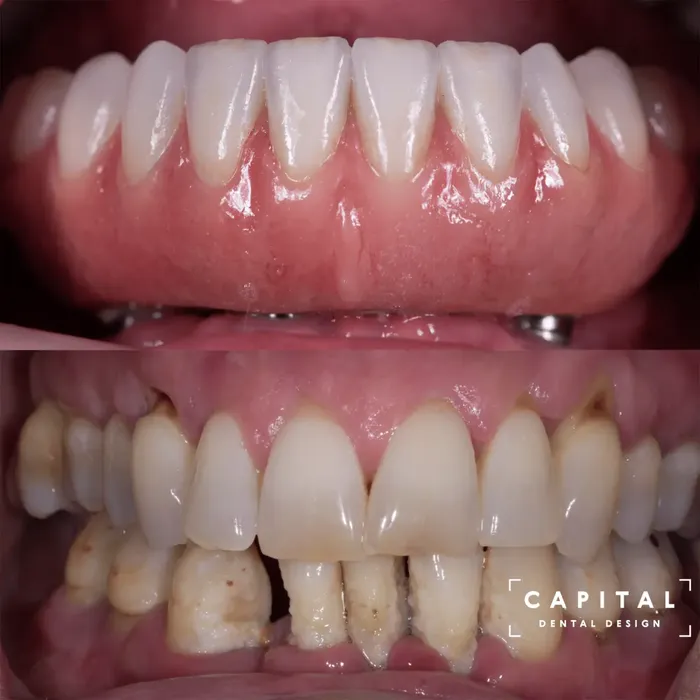
When a patient is missing all of their teeth in the upper or lower jaw, the dentist may recommend a bar retained overdenture. In this procedure, dental implants are surgically placed in the bone and attached to a bar which supports the overdenture. The overdenture is considered to be a removable appliance, however the bar is connected to the dental implants.
Below is a summary of the procedure for placing a bar retained overdenture.
The first step is for the dentist to obtain an impression of the area which in the mouth which is being treated. The dentist will use the impression to create temporary dentures during treatment. Once the temporary dentures are complete, the dentist will take diagnostic images of the area to create a plan for the placement of the dental implants. The dental implants serve as the root system for the denture.
The procedure will begin with the dentist surgically placing the implants in strategic areas of the jaw. Once the implants are placed, the dentist will obtain another impression of the mouth to aid in creating the supporting bar for the overdenture.
While the implants are healing and fusing to the bone, patients will receive temporary removable dentures. This ensures the patient is has teeth at all times. Patients can feel secure and confident throughout the entire process.
During follow up appointments, the dentist will evaluate the bite alignment of the bar and final denture. This will ensure the device fits perfectly in the mouth. This step of the process may require multiple appointments or fittings to ensure excellent results. Once the dentist has made all necessary adjustments, the support bar is fixed in place. The overdenture is then placed onto the bar. The final product is stable and secure prosthetic teeth.
Some of the key advantages of implant retained dentures are summarized below. Implant-retained dentures resolve many of the limitations and issues associated with removable or partial dentures. Implant-retained dentures are a permanent tooth-replacement solution. Key benefits include the following:
1. Comfortable and attractive
2. Do not slip or fall out
3. No use of denture adhesive
4. Gums are not irritated as the dentures are fixed in place
5. Patients do not need to limit the types of food or drinks they consume
6. Durable and secure solution
Aftercare Maintenance
Bar retained overdentures are relatively easy to clean and care for compared to traditional dentures which require nightly removal. The dentures and gums should be regularly cleaned. This helps ensure the patient maintains good oral health. The dental professional will provide specific instructions for aftercare and maintenance following the placement of the overdenture.
Dental implants are an amazing tooth-replacement option and provide an excellent foundation for the prosthetic. Implants also stimulate the jawbone and prevent resorption or a change in the patient’s face. Traditional dentures have many limitations such as limited stability, failure to stimulate the jawbone, require daily removal for cleaning, and can require the patient to restrict what they eat and drink. Bar retained overdentures resolve many of these challenges.
A bar overdenture is just one of numerous tooth-replacement options. Patients should follow up with their dentist to determine if they are a good candidate for a bar retained overdenture or another tooth-replacement treatment option.
Have questions or ready to schedule? Contact Capital Dental Design today.
Schedule a Consultation