





What Causes Bone Loss?
The thinning and weakening of the all your bones happens when the amount of bone produced is no longer equal to the amount of bone absorbed․ Over the course of your life, the body is constantly forming bone and breaking it down and that process, also known as remodeling, can be accelerated by many conditions․ In dentistry‚ the jawbone supports your teeth but you may start to lose density in that bone faster than your body is able to replace it․
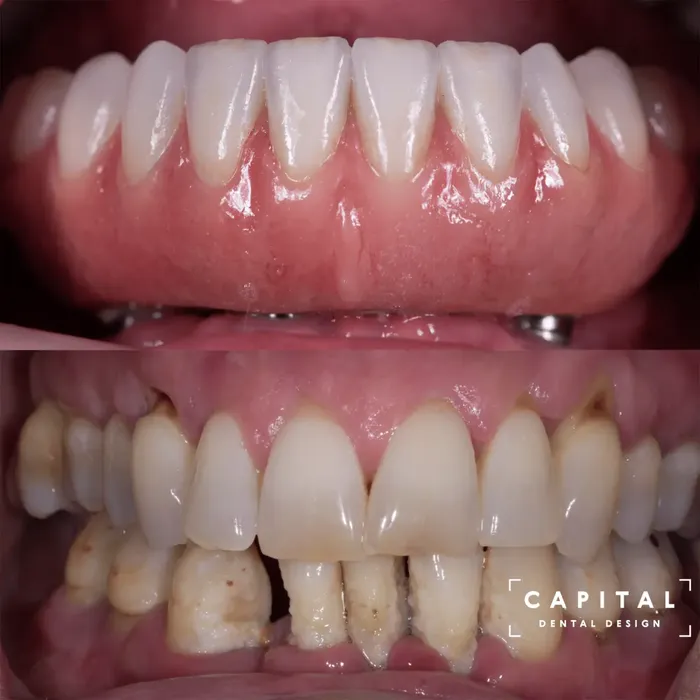
The most common cause for bone loss is gum disease․ Plaque and bacteria that amass along the gumline and below it can irritate tissues beneath the gums‚ producing inflammation in the gums․ As the gum disease progresses and the infection spreads‚ the bone and the soft tissue that hold the teeth in the mouth is destroyed and the body will begin to extract resources it can from the rest of the bone․
Missing teeth also contribute to bone loss․ The jawbone deteriorates when the rest of the jaw is not stimulated by chewing․ If the stimulation imparted to the bone by the root stops, the body absorbs the bone that is not in use․ This can begin shortly after tooth loss and can gradually begin to affect the area where the tooth is missing and even surrounding structures of the jaw․
Infection within the tooth can also cause loss of bone in the immediate area․ Tooth decay can reach the center of the tooth and allow bacteria to invade the bone around the root․ An abscess may develop‚ and if not treated‚ this can cause destruction of the underlying bone․
Mechanical force may additionally be a factor; if you clench your jaw or grind your teeth, you may have bone thinning․ This type of damage may first be a slow process‚ however‚ it may result in bone loss․
Certain lifestyle choices may also affect your bones․ For example‚ tobacco smoking restricts circulation and healing‚ so nicotine can make it more difficult for your body to build new bone․ A diet lacking in certain vitamins and minerals forces your body to utilize bone for nourishment‚ leading to increased susceptibility to gum disease and bone loss․
Some medical conditions and medications may also contribute to bone loss․ Some disorders affect your immune system, and some medications can affect the density of your bones. Hormonal changes‚ especially as you age‚ may play a role in how well your body maintains its bone mass․ Hormones may contribute to the loss of bone density throughout your body․
Identifying the cause of bone loss is important for preventing it. Good oral hygiene‚ early treatment of dental problems‚ and changing lifestyle factors may prevent the bone that supports the teeth from deteriorating․ However‚ with appropriate treatment and management‚ the risk can be reduced and the oral health maintained․
If you have more questions about dental bone loss or how addressing it could help you achieve better dental health, make an appointment with the dentist to see your treatment options for bone loss
Have questions or ready to schedule? Contact Capital Dental Design today.
Schedule a Consultation