



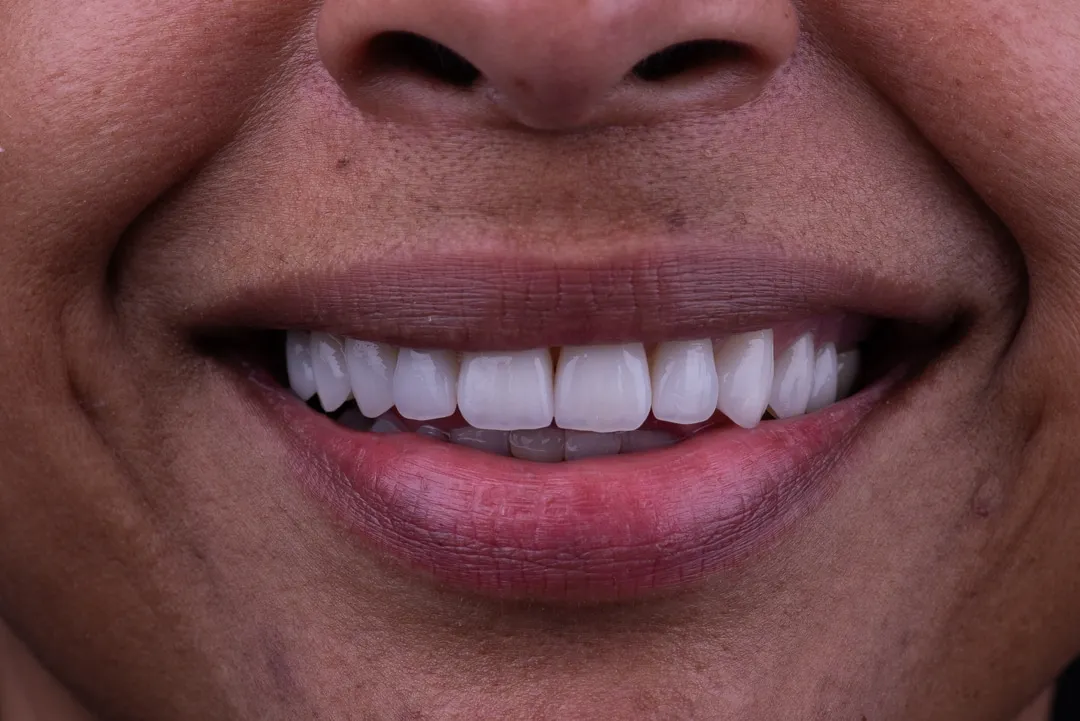
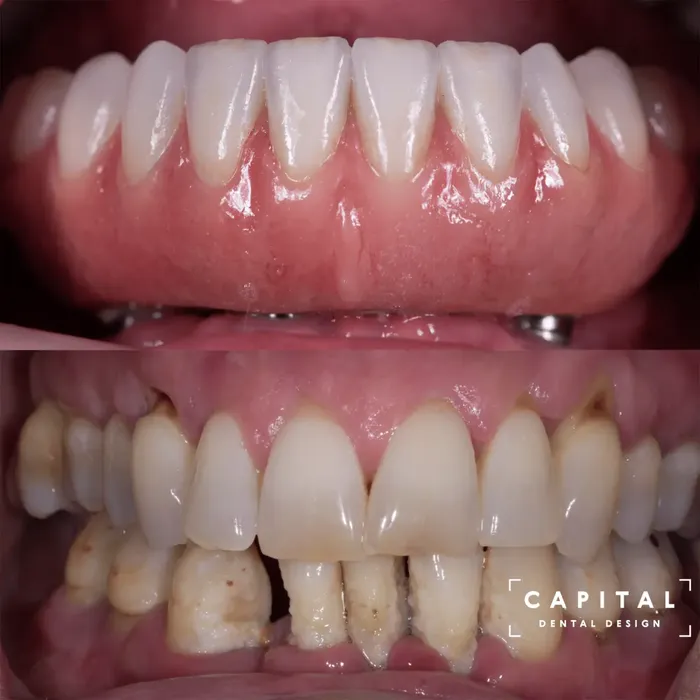

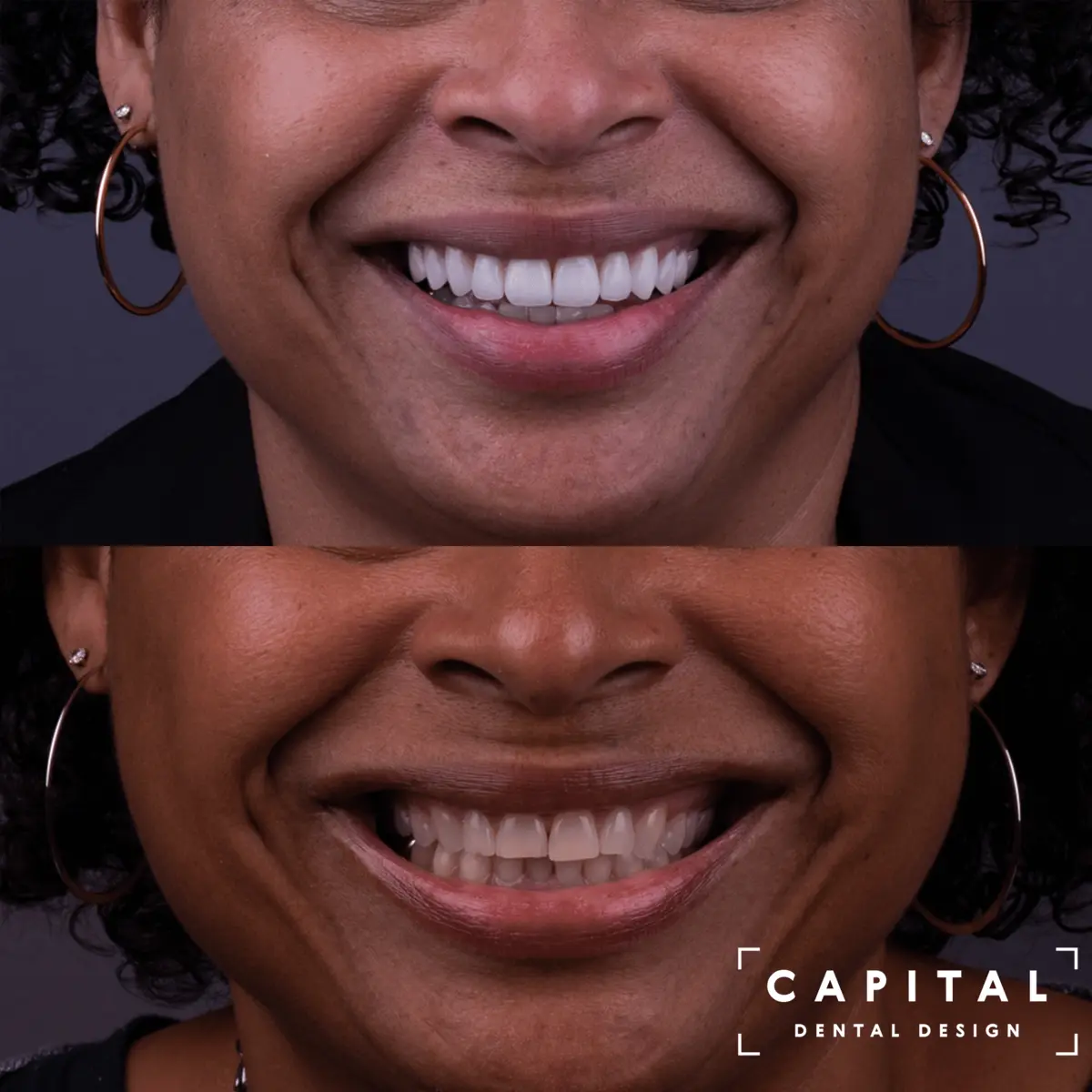
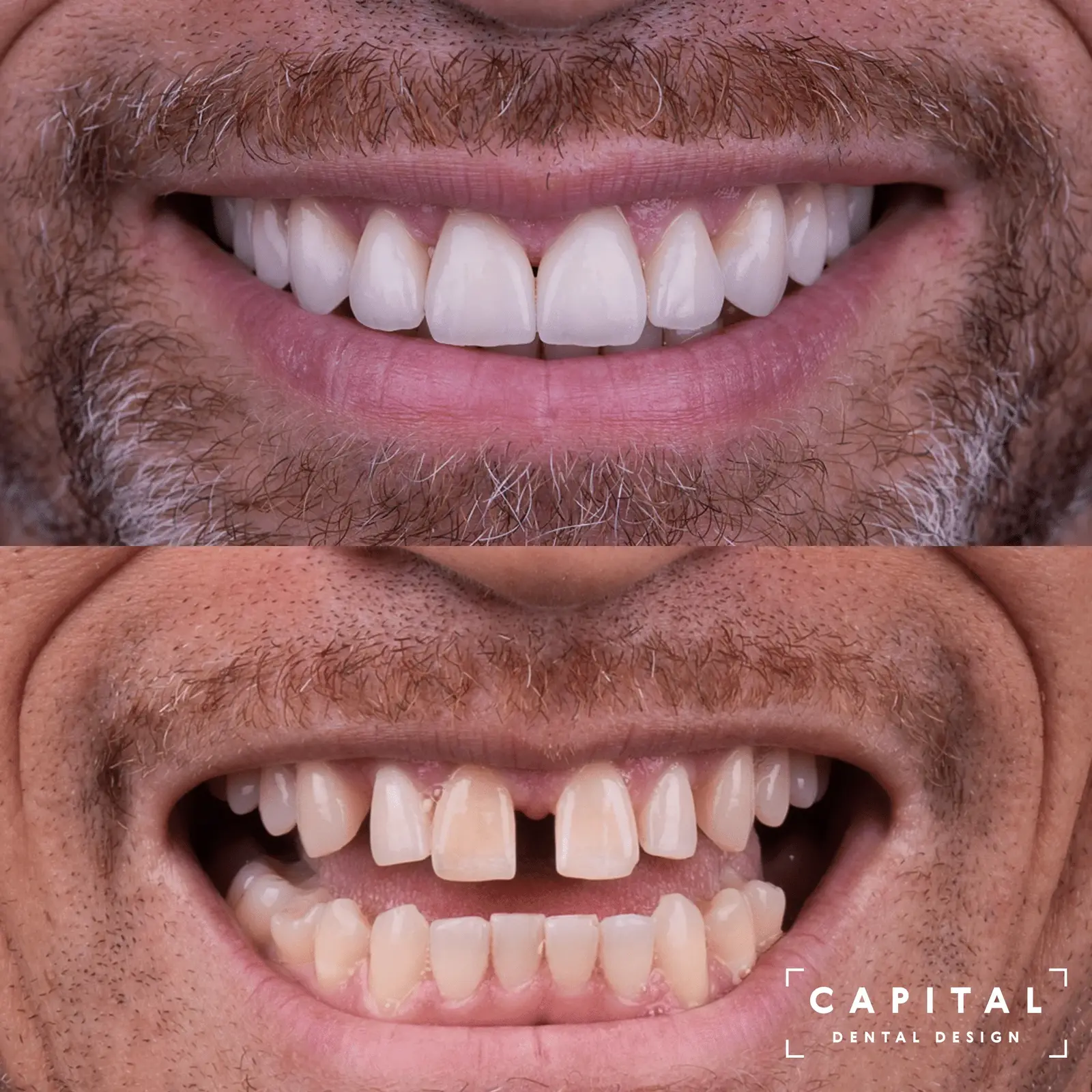
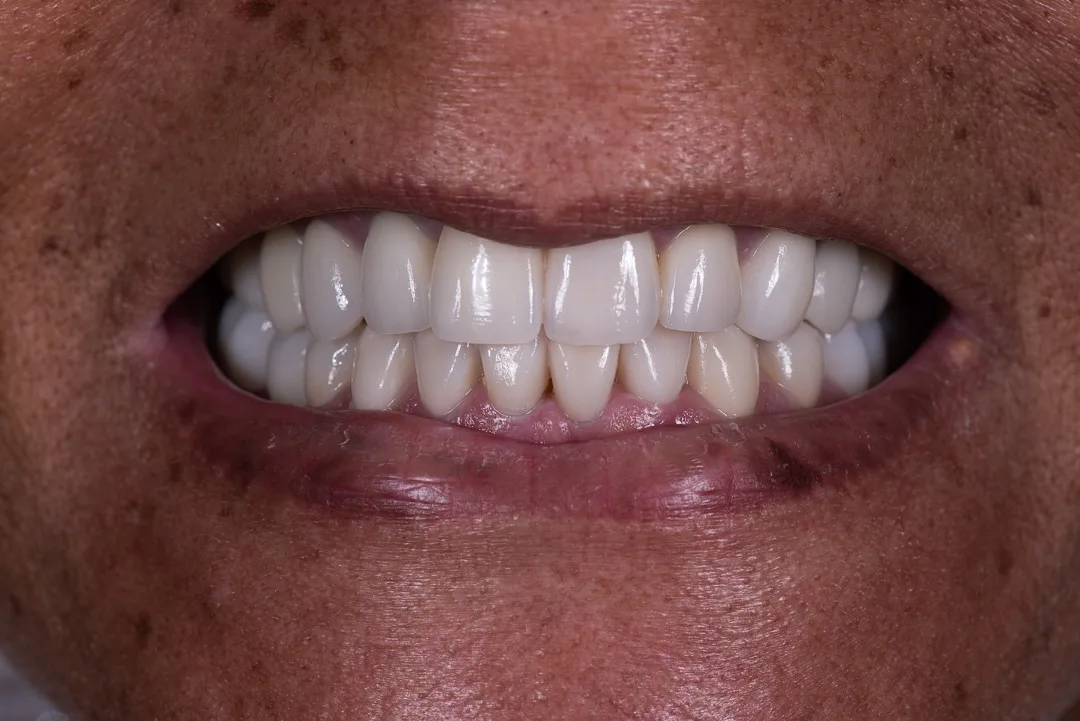

Dental crowns can provide a wide array of dental solutions, from protecting a damaged tooth from further harm to serving as a temporary or even a permanent replacement. Often referred to as “caps,” dental crowns are generally used to cap or cover a damaged area so that it looks and acts like a normal tooth again. If you have a tooth that has become cracked, worn down, or decayed, your dentist may recommend placing a dental crown to protect the area and increase function in that area. For those who may have a tooth that is missing entirely or needs to be extracted, a crown can also be placed on a dental implant to effectively replace the entire tooth.
What are Dental Crowns Made Of?
Dental crowns can be made with a number of materials, depending on dentist and patient choice. Most commonly, dental crowns are made of one of the following materials:
Porcelain and metal – Commonly, crowns are made of a porcelain front with a metal structure underneath. This is a strong and durable option but also one that can have aesthetic repercussions as the metal can start to show with time as the gums begin to recede away from the crown. For this reason, all porcelain crowns tend to be used in areas where visibility of metal at the gumline is unwanted.
Porcelain – Porcelain crowns are a good option for those who wish to have a metal-free crown. In addition to aesthetic reasons, this choice is also made in some cases due to metal sensitivities. Due to the lack of metal inside of them, they can also be created to have thinner profiles than porcelain and metal crowns, which can be useful in tight spaces in the mouth.
Gold – Gold crowns are most commonly used in the back of the mouth where they are less visible. Due to the strength of the material, gold crowns can be more durable and provide greater bite strength in areas where a great deal of chewing takes place; they also tend to last a longer than their ceramic and metal counterpoints.
Preparing for a Dental Crown
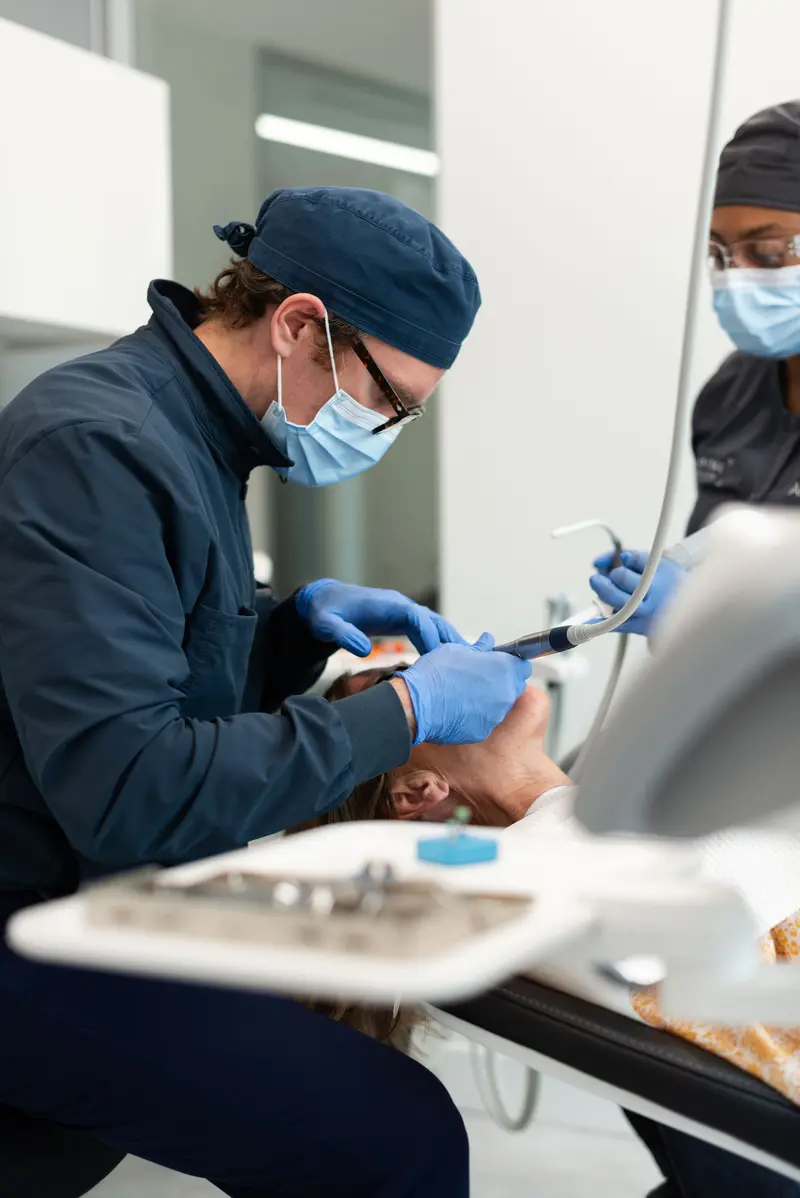
Dental crowns are both planned and placed in the dentist’s office. In the planning stages, your dentist will do a thorough evaluation of the health of your tooth and the viability of a dental crown for aiding in its preservation or replacement. To do so, she or he will do a dental exam and may take X-rays, as well. Finally, if it is determined that a crown is appropriate, your dentist will take precise impressions of your mouth so that the crown that is created will fit seamlessly into the existing structure of your mouth.
How do I Know if a Dental Crown is Right for Me?
The best way to determine if a dental crown is the right solution for your own individual dental needs is to consult with a trusted dentist. She or he can take into account your own circumstances as well as your desired outcome in making an informed recommendation. To set up your own personalized consultation, give us a call today.
Related: How Much do Dental Crowns Cost
Have questions or ready to schedule? Contact Capital Dental Design today.
Schedule a Consultation