



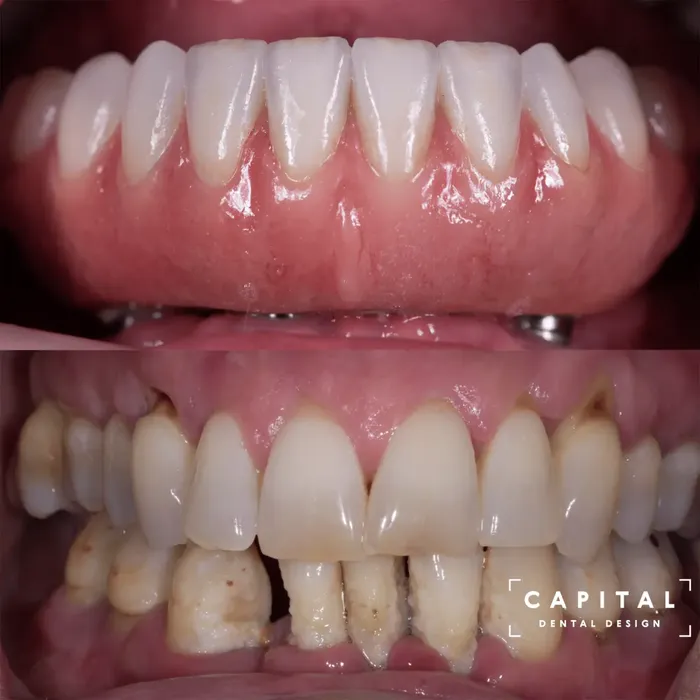

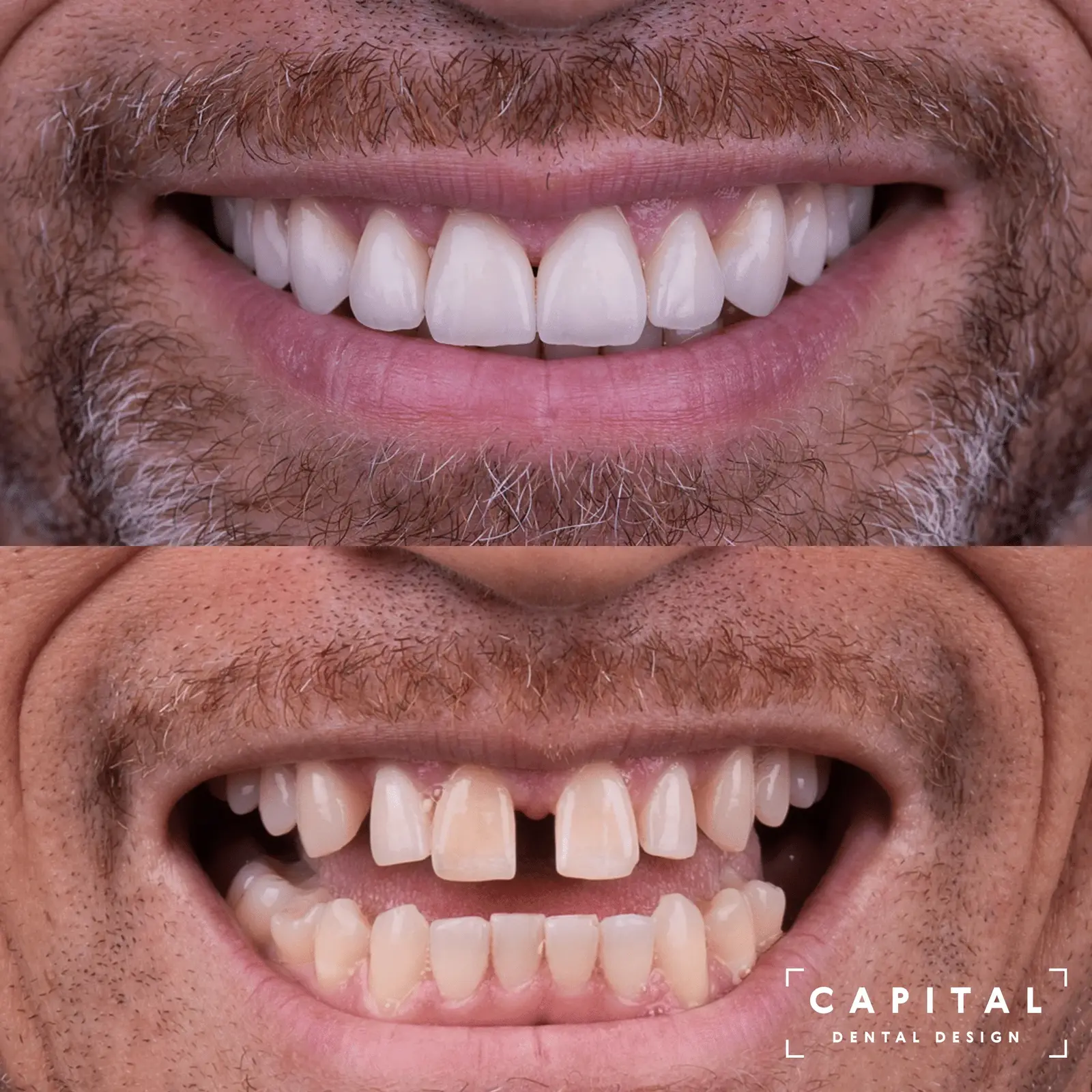
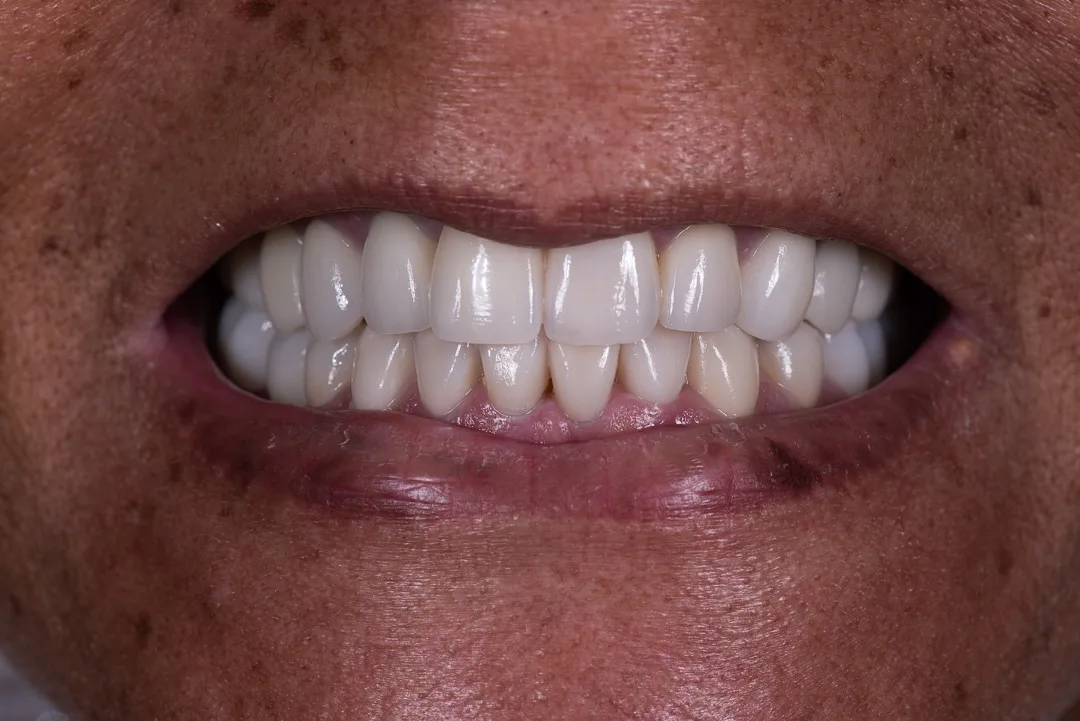

Tartar is gross. It has a brownish hue to it, it smells, it reinforces the collection of food debris and bacteria; but worst of all it damages your teeth. The hardened shell creates a space for bacteria, food, and acids to destroy precious enamel tissue. Once the enamel is compromised, the Tartar will begin its assault on the dentin, or core structure of the tooth. This will cause pain and eventually bone loss. WOrse yet, the hardened plaque tissue may also enter the gumline, allowing the bacteria free access to healthy gum tissue. This will eventually lead to infection, compromised tooth roots, and tooth loss.
What causes Tartar?
Tartar occurs when Plaque has been allowed to accumulate, fester, and harden. The process takes time, and typically means the patient has neglected their dental health. Plaque is the result of leftover food accumulation, which has mixed with bacteria and acid into a slurry of problems. The dental cumulus attacks the healthy tissues around it, and hardens over time.
How Does Tartar affect your Teeth?
Tartar forms a hard shell around your teeth. It leaves a space for bacteria to attack the gums, and the underlying tooth structure. Moreover, once Tartar has set, it actually prevents all your positive dental interventions from helping that area. Your toothbrush does not remove the plaque from the toth, because your toothbrush only touches the Tartar around the tooth. Your toothbrush and floss cannot reach the tooth itself, because Tartar has to be physically removed with the help of a dental care team.
How does the Dentist Remove the Tartar?
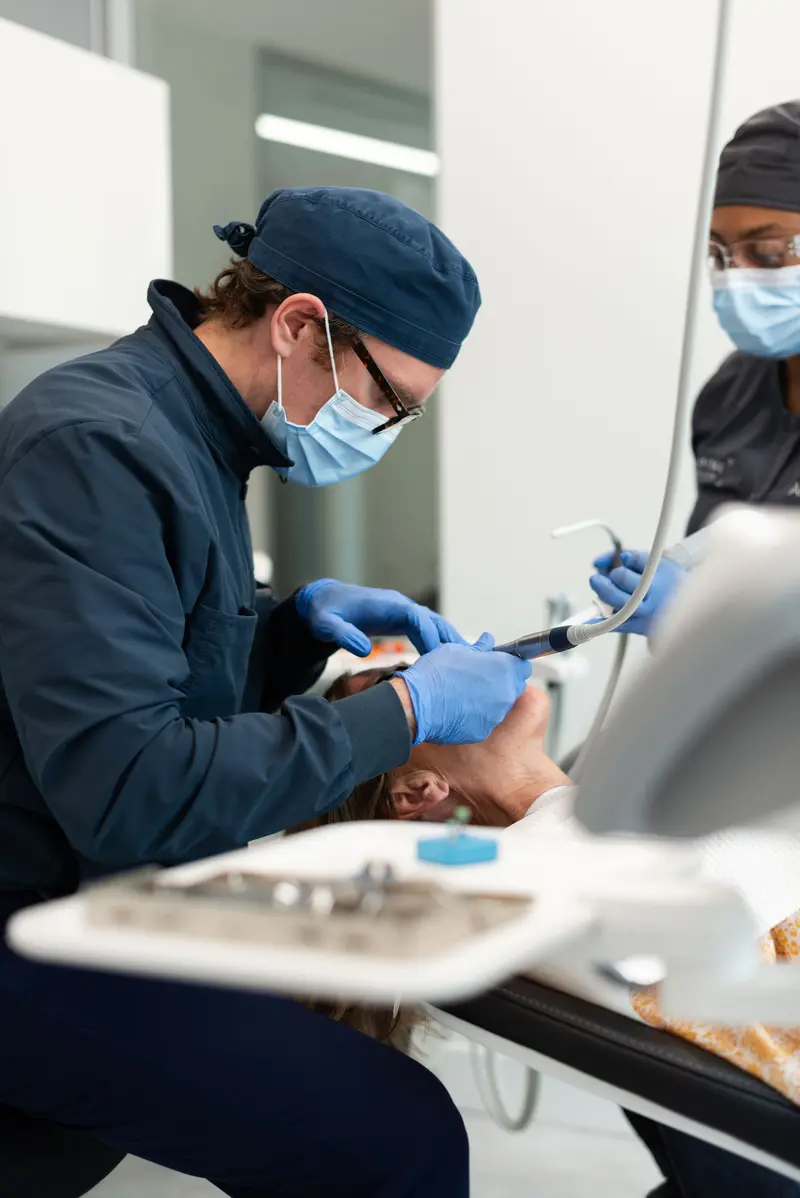
Your dental care team will have various precise methods for removing the Tartar. They may opt to use scaling, picking, flossing, water picking, and fluoride cleaning options. They will work with clinical precision though to protect the enamel and underlying tooth structure. After a thorough dental cleaning, you can leave with a reset on your dental health care journey. A cleaning feels great, and it sets you on a new path for dental hygiene excellence. As long as you take the right precautions moving forward, you can defend against the buildup of plaque or Tartar.
Dental Hygiene after Cleanings
Use all the tools in your dental hygiene toolkit to prevent the buildup of food and Plaque. Use your toothbrush and proper brushing techniques. Follow the shape of the tooth using circular motions to remove anything that sticks to the tooth. Use your floss to physically drag any materials that are stuck between the teeth; before they collect bacteria. Regular mouthwash and flossing will help to limit the amount of harmful or hostile bacteria within the mouth.
When to see your Dentist
Look for any early signs of Dental Cumulus. For Tartar, this will be signified by thick brownish looking debris surrounding the tooth. If you haven’t flossed in awhile, brushed in a while, or seen your dentist in more than 6 months; make an appointment immediately. Tartar is only one aspect of a number of different dental conditions that attack the teeth and destroy tooth tissue.
Related: Is Tartar normal on teeth
Have questions or ready to schedule? Contact Capital Dental Design today.
Schedule a Consultation