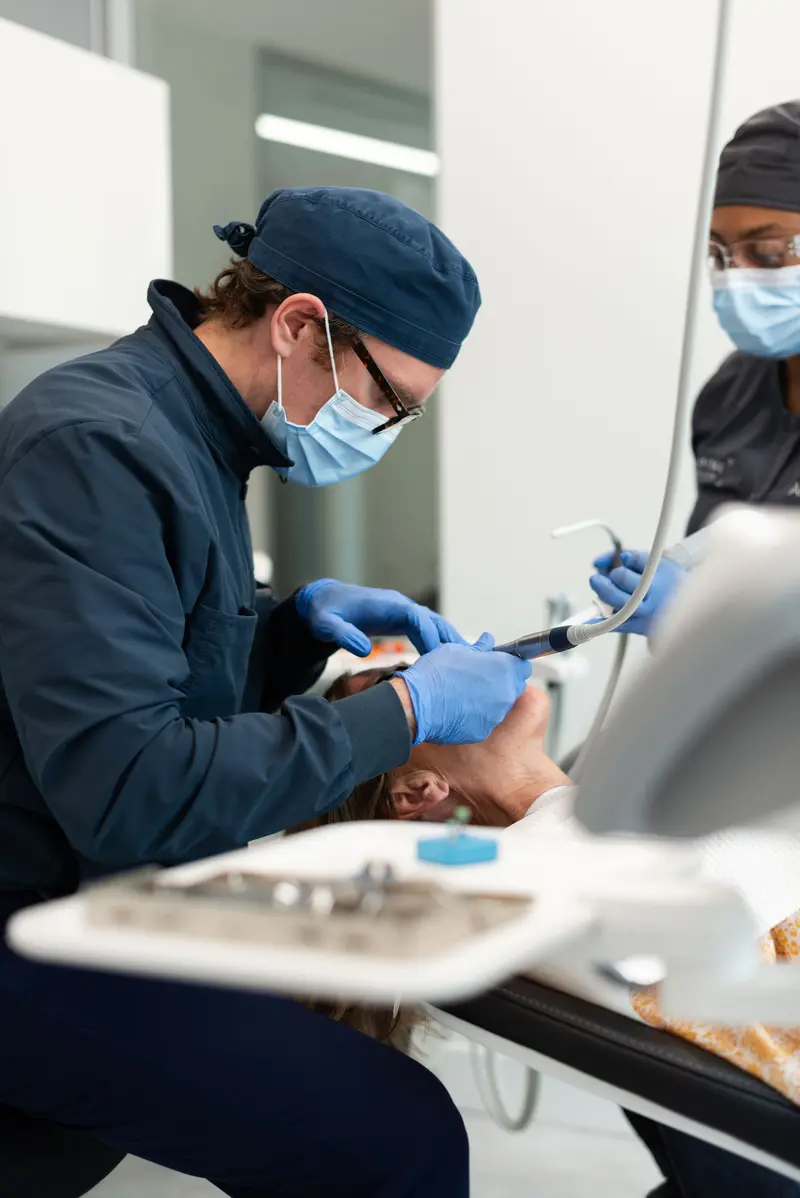




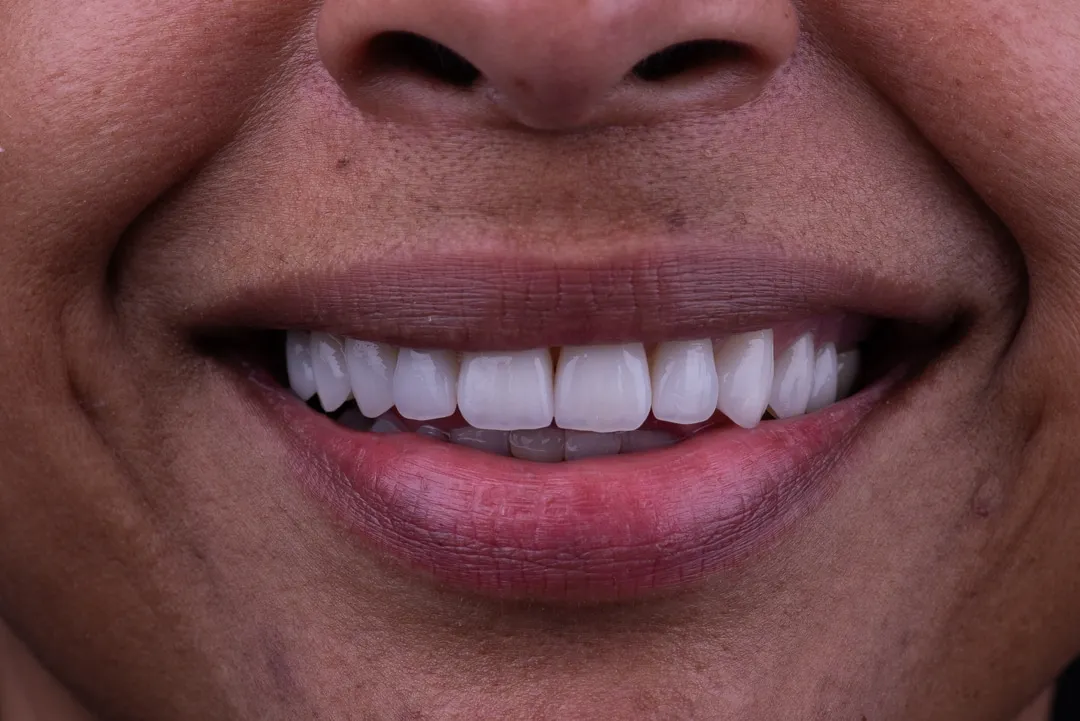
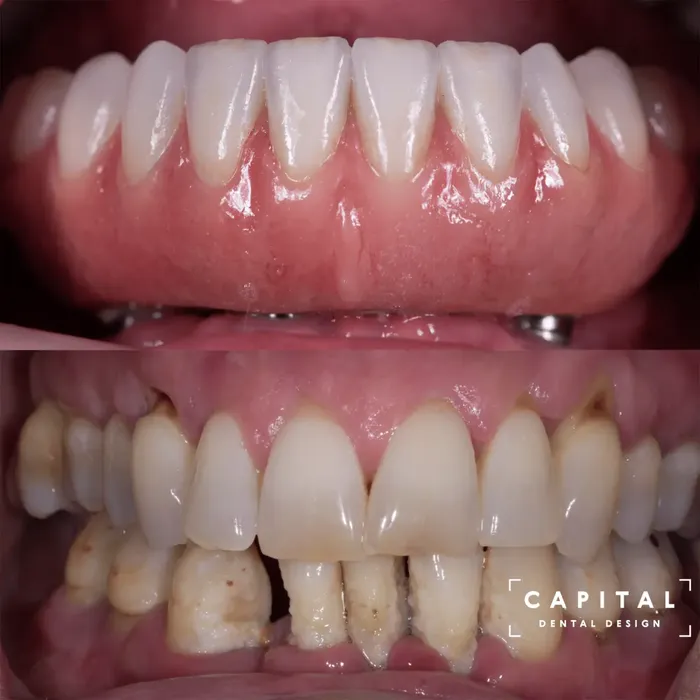


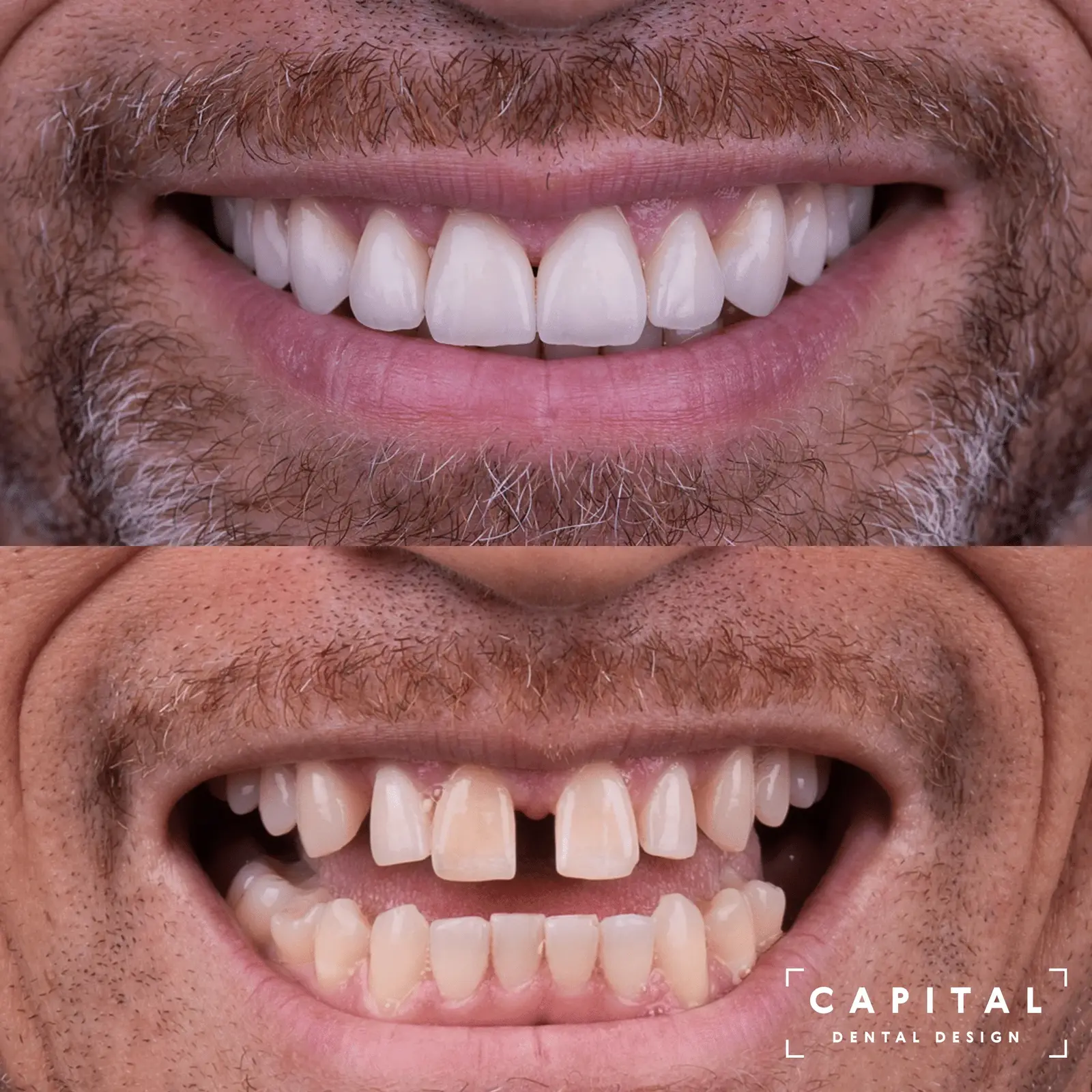
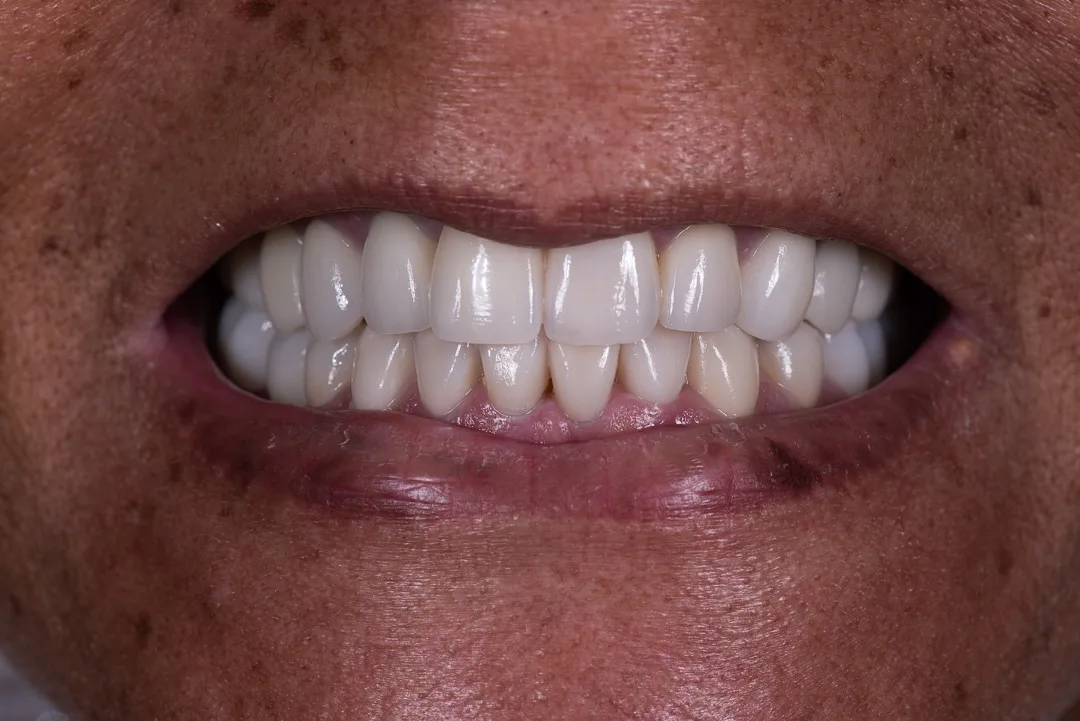

Dental implants are one of the most effective ways to restore one or more missing teeth. Implants are a great option for patients who need to replace one or more missing teeth. They can be utilized for one implant crown, an implant bridge, an implant-supported partial denture, or even a full implant-supported denture. Other restorative options such as traditional bridges and dentures sit above the gum tissue and over time, can lead to bone deterioration which then leads to poorly fitting restorations. Some patients may even notice changes in their facial structure.
Dental implants support bone health and provide a stable foundation for restorations which enables patients to maintain a healthy diet! Therefore, they are the overall healthier and permanent solution. Traditional restorations can become ill-fitting and painful over time, leading to poor nutrition as well as bone loss. Dental implants act as an artificial tooth root and provide stimulation for bone regeneration which is not provided with other traditional options.
Tooth roots stimulate bone regeneration and when a tooth is lost, the bone can begin to break down and cause issues for remaining healthy teeth. Dental implants are surgically placed by an oral surgeon or periodontist directly into the jawbone and are very natural looking, stable, and can easily last a lifetime with proper care and maintenance.
How are dental implants placed?
A dental implant is made of three parts: the implant, an abutment, and the prosthesis. The implant itself is a small, typically titanium, screw-like post that is surgically placed directly into the jaw bone. If you need any preparatory surgeries, such as a gum or bone graft, the oral surgeon or periodontist will perform that as well.
The abutment is a piece that fits directly onto the implant and acts as the link between the implant and the prosthesis. After your implant is placed, a temporary abutment is secured onto the implant to protect the area while it heals.
Once your implant is healed and integrated with your jaw bone, your permanent abutment will be placed along with your dental prosthesis. The prosthesis may be an individual crown, a bridge, or a denture which is placed onto the abutment with either cement or a screw.
How long do dental implants last?
The average lifespan of a dental implant is about 20 to 25 years but there are a few factors that come into play that can cause the longevity of your dental implant to vary such as lifestyle, home care, the expertise of your implant surgeon, and where the implant is located in your mouth.
Proper care and maintenance may allow some patients to keep their dental implant for a lifetime. The implant crown or denture may need to be replaced eventually due to normal wear and tear but the implant itself is considered a permanent restoration.
While patients without implants may have their teeth professionally cleaned twice a year, implant patients benefit from more frequent cleanings. Your dental hygienist can help you prevent gum disease and peri-implantitis which can damage your implant, even causing implant failure.
What are some advantages of dental implants?
Dental implants have great benefits and very few disadvantages, which are generally attributed to side effects and vary based on the type of dental implant placed.
Oral hygiene
Dental implants are easy to care for and can be cleaned and maintained with your regular oral care routine, implants can be brushed and flossed just like your natural teeth. They should be checked by your implant doctor once a year.
Overall Health
Tooth roots encourage bone regeneration and without stimulation, jaw bone structure will begin to break down putting neighboring, healthy teeth at risk of becoming loose and falling out. When a patient is missing a tooth and does not have it replaced, the supporting bone structure in that area will begin to deteriorate.
A dental implant is essentially an artificial tooth root and works the same way to help stimulate bone regeneration. Also, when a patient is missing a tooth, the pressure applied to surrounding teeth when eating and speaking can become disproportionately higher, putting healthy teeth at risk of fracture.
Appearance
[... middle omitted — see footer ...]
What can cause a dental implant to fail?
A dental implant can fail for a number of reasons; understanding them before you begin treatment can help you take the necessary steps to avoid implant failure and get the most life out of your investment.
Underlying Medical Conditions: Certain medical conditions can cause patients to have a higher risk of implant failure such as some cancers, gum disease, bone disease, diabetes, and autoimmune disorders. All can have a negative impact on a dental implant. Bone deterioration can compromise implants, causing them to eventually fall out.
Poor Lifestyle Habits: Both smoking and excessive alcohol consumption can weaken the body which can negatively affect the integrity and longevity of dental implants. Additionally, patients with poor oral hygiene risk developing gingivitis which can progress into periodontal disease, causing gum recession and bone deterioration.
Excessive Wear and Tear: Using your teeth as tools such as to open packages, pull off gloves, or chewing non-food items can cause you to chip or break a tooth or put undue stress on your implant. Posterior implants are more likely to fail overtime than anterior implants because more pressure is applied during eating.
All patients with dental restoration can benefit from a night guard which will also make sure you keep your dental implant as long as possible!
Showing 4,299 chars (head) + 1,384 chars (tail) of 6,514 total clean characters.
Full text saved to: /root/.hermes/cache/web/capitaldentaldesign.com-7ad076c0d1.md
To read the omitted middle: read_file path="/root/.hermes/cache/web/capitaldentaldesign.com-7ad076c0d1.md" offset=38 limit=200 (the file is the complete page; raise/lower offset to page through it).
Related: Dental Implant Fell Out
Have questions or ready to schedule? Contact Capital Dental Design today.
Schedule a Consultation