




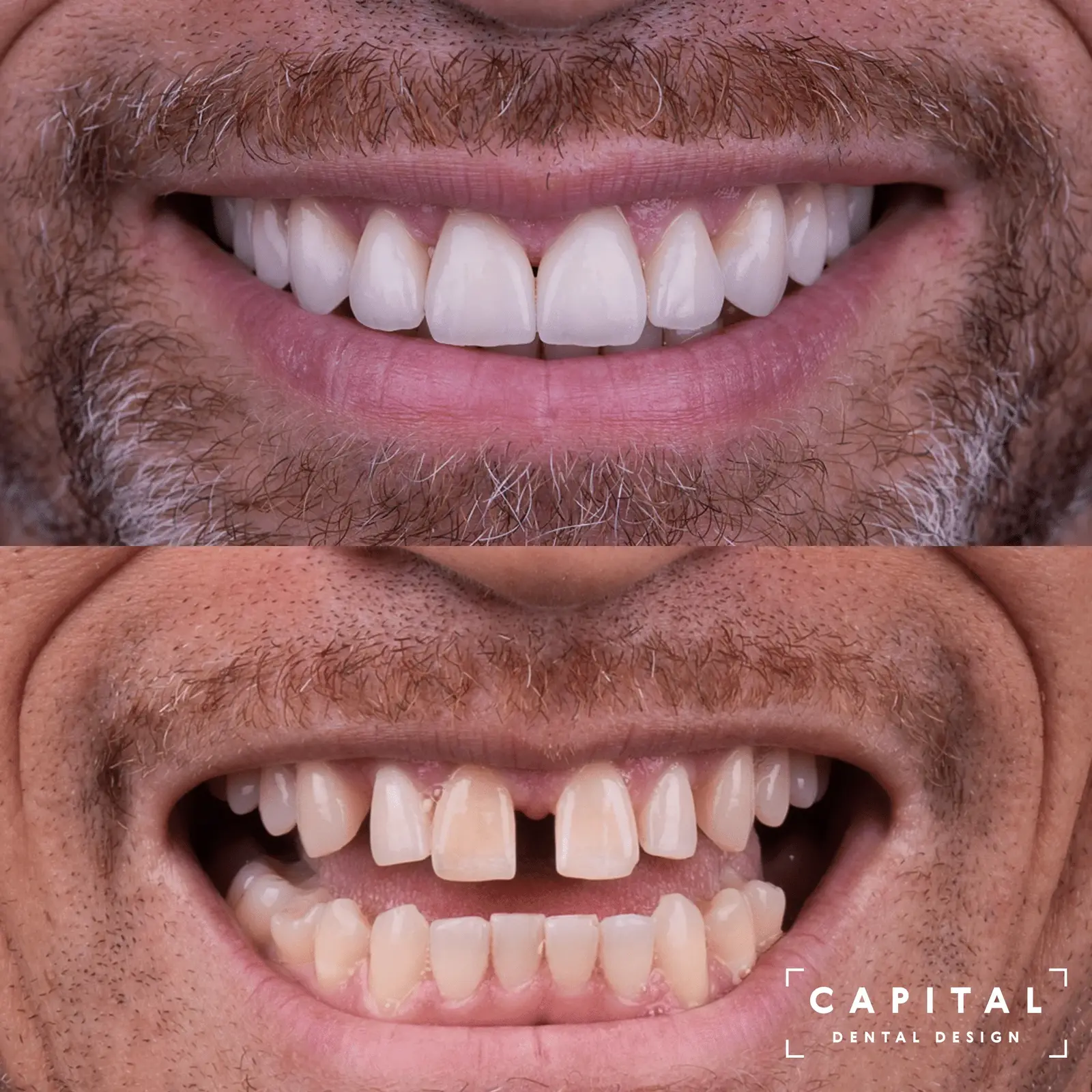
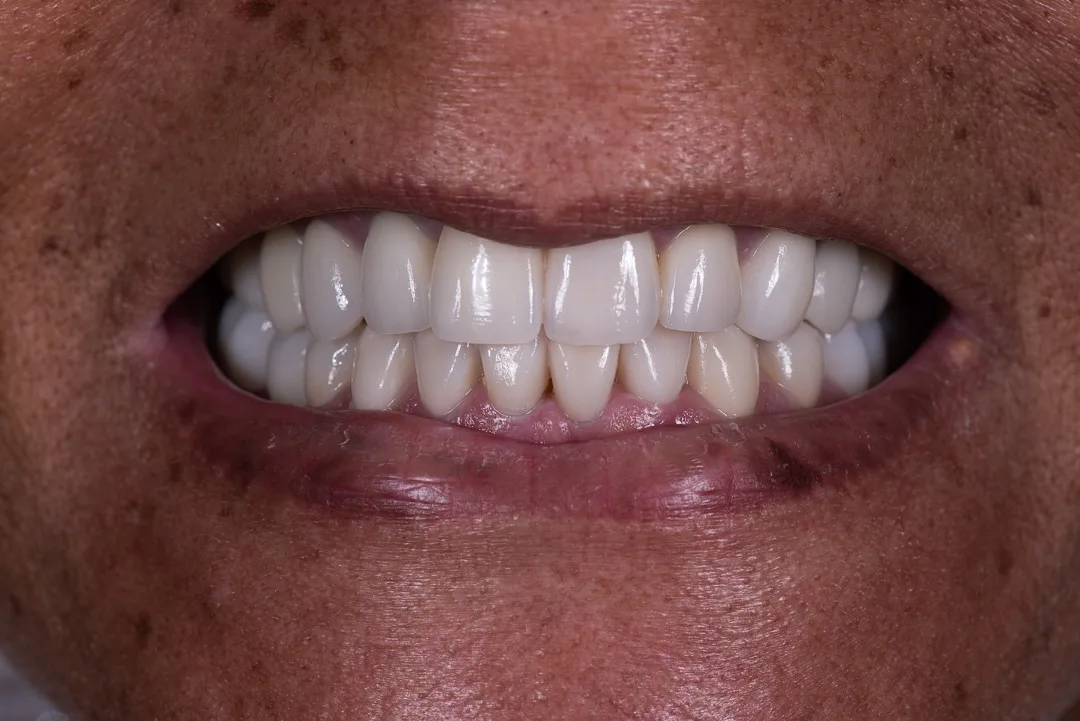

If you notice early signs of dental bone loss‚ you need to take it seriously․ The jawbone provides support for your teeth and the structure of your face․ When that support begins to erode‚ there are functional and aesthetic consequences that go beyond your face․ Bone loss can result from other serious dental issues and leads to complicated problems that require complex treatment.
Most people experience little to no pain during the early stages of bone loss. The lack of pain does not mean the problem is harmless․ As the bones around the teeth lose density‚ the teeth are less stable over time․ Consequently, you may notice slight shifting in the position of your teeth‚ changes in your bite‚ or sensitivity․ Over time‚ teeth may become too loose from loss of bone support and fall out․
The most important concern about dental bone loss is the relationship it has with gum disease․ Bacteria can grow beneath the gumline and produce inflammation that destroys connective tissue and bone around the teeth․ If the gum disease is allowed to continue without proper treatment‚ the bone may progressively break down‚ and the mild chronic irritation may develop into a more serious problem that becomes more difficult to manage․
Tooth loss is another factor․ The surrounding bone will no longer be stimulated by the forces of chewing after a tooth is lost․ Afterwards, without the signal that the bone is being used, the body may try to extract resources from the bone. The decrease in the density of the jawbone leaves the other teeth that are adjacent to or opposite the tooth unsupported. Those teeth will be more likely to shift and change how the other teeth fit together․ This chain reaction can occur in multiple areas․
When you lose teeth‚ resorption, or bone loss, can occur in the dental bone that shapes your face․ You will be left with a more concave and aged look instead of a fuller, youthful appearance․ This can happen gradually‚ but it will become more pronounced over time without treatment․
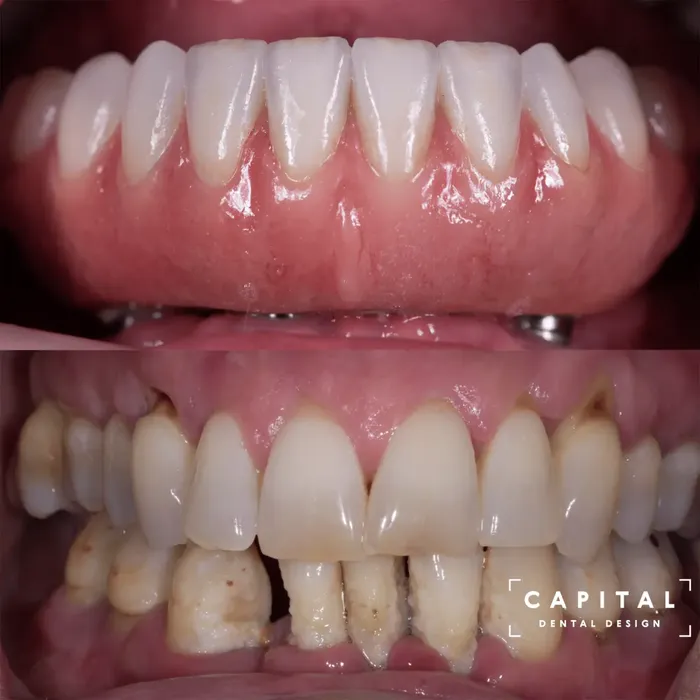
The extent of the loss of dental bone also impacts the what types of treatment will be able to address the problem․ In early stages‚ conservative treatment may be enough to relieve symptoms and preserve dental bone․ In cases where the disease has advanced‚ treatment may include bone grafting or surgery to stabilize the tooth or teeth․ Treatment is often slower and more limited in cases as the bone loss is in its later stages․
Diagnosis typically consists of a dental examination followed by dental X-rays․ X-rays can determine bone levels and to spot problems early on before serious damage is caused‚ allowing earlier intervention and the ability to avoid further damage․
Preventive measures can lower the risk of dental bone loss․ Good oral hygiene‚ regular dental check-ups‚ and treatment of gingivitis and periodontitis can preserve the health of the dental bone․
If you have more questions about dental bone loss or how addressing it could help you achieve better dental health, make an appointment with the dentist to see your treatment options for bone loss.
Related Article: What Causes Bone Loss?