




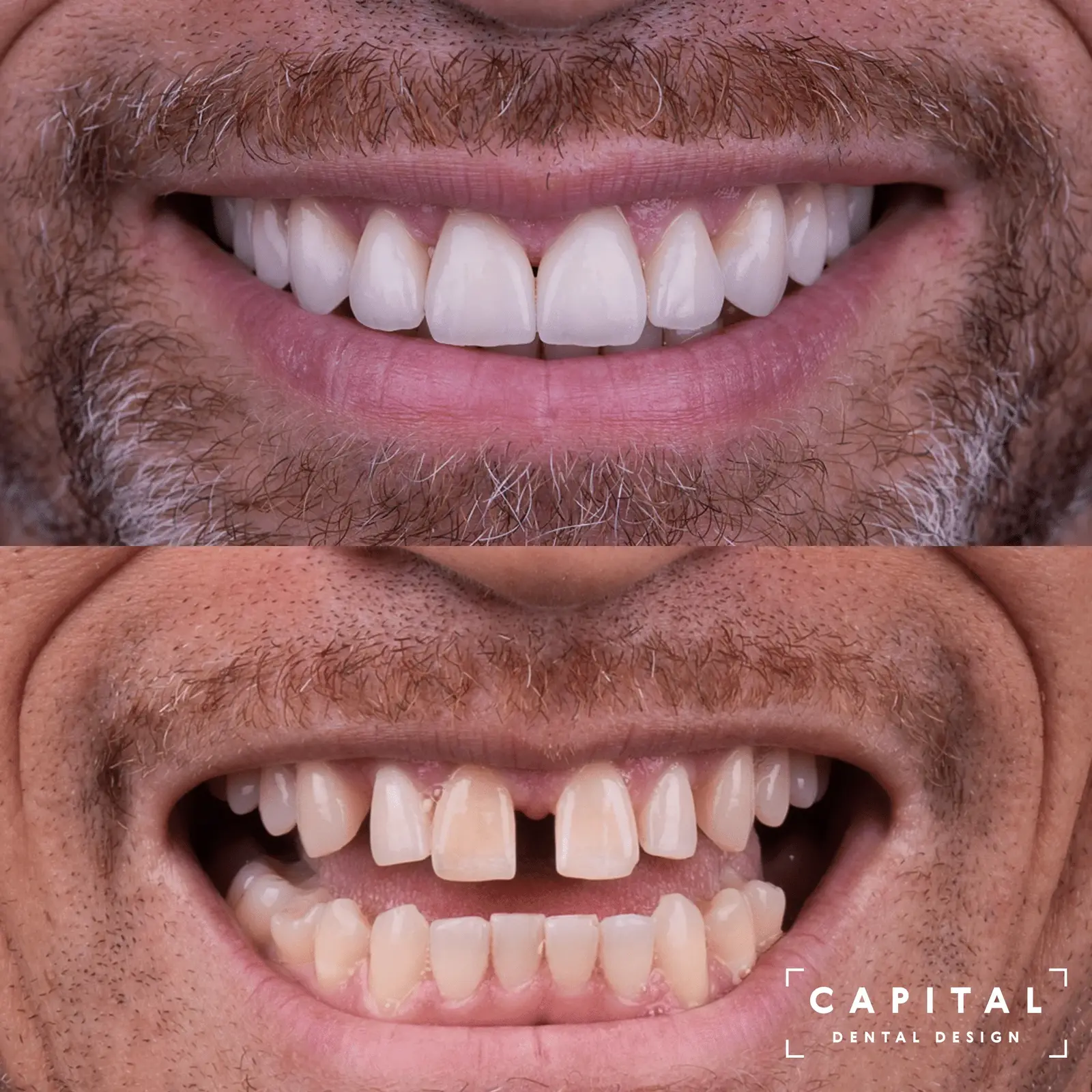
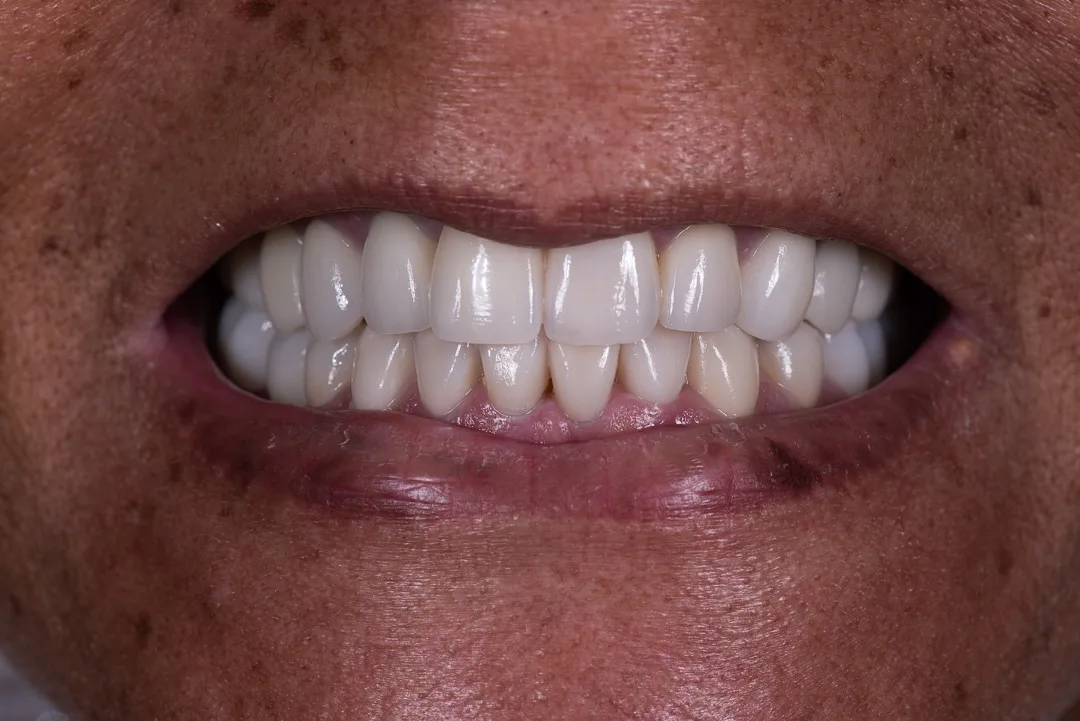

Dental crowns are a common method of restoring teeth that have been damaged by trauma or decay. Also called “caps” because of the way dental crowns cover up and protect an area, they also restore appearance and function to damaged teeth. Typically, dental crowns last anywhere from 10 to 30 years. While this may seem imprecise, the longevity of a dental crown depends on many complex factors, from the materials used to simple daily maintenance.
Like all things, a dental crown that is carefully taken care of will last longer than one that is used carelessly. While other factors can and will come into play, you have the power to make your dental crown last longer by simply taking care of it as your dentist recommends.
Material Factors in the Longevity of Dental Crowns
One of the factors that contributes to the longevity of dental crowns is the materials used in their creation. Dental crowns are made of either ceramic, metal, or a combination of porcelain and metal. Choosing between these materials often has important aesthetic ramifications, as all ceramic crowns are naturally more natural looking and aesthetically pleasing. Metal crowns, on the other hand, tend to be less natural looking and more obvious as dental repairs, while porcelain and metal crowns occupy a sort of middle ground in appearance, with a flash of metal sometimes appearing along the gumline.
While these aesthetic considerations are important, they also have a direct impact on the longevity of the crown. Although ceramic crowns may be the most attractive, they’re also the least durable. Metal crowns, on the other hand, are the least aesthetically pleasing but also the strongest and most durable. In choosing a material for a new dental crown, it is wise to weigh these concerns against each other, understanding that choices that prioritize appearance will also undermine longevity to some extent.
How to Care for Dental Crowns to Increase Longevity
Once a material has been chosen and a dental crown has been placed, it is up to you to care for it in a way that extends its lifespan as much as possible. Luckily, cleaning and maintaining a dental crown is as simple as taking care of your natural teeth. This means brushing at least twice a day, flossing daily, and maintaining biannual visits to your dentist’s office for cleanings and check-ups.
Caring for a dental crown also means not using your teeth as tools – resisting the urge to use your teeth for anything other than chewing your food and being mindful of not biting into particularly hard or brittle foods or substances like ice or hard candies. While your natural teeth might be able to handle your grandma’s peanut brittle or a daily ice cube or two, a dental crown made of man-made materials will not be quite as strong, so respect the limitations of what your new dental crown can reasonably do and it is likely to last you far into the future!
Related: Dental Crown Procedure
Have questions or ready to schedule? Contact Capital Dental Design today.
Schedule a Consultation