



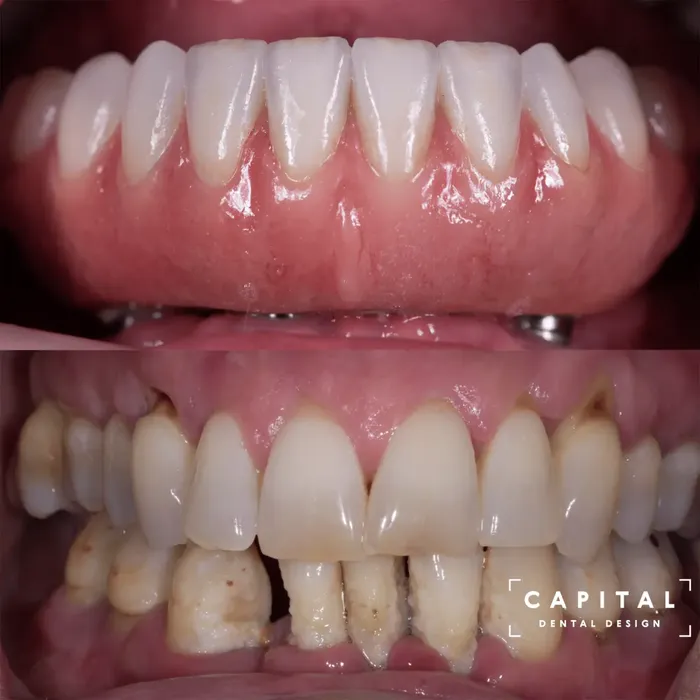

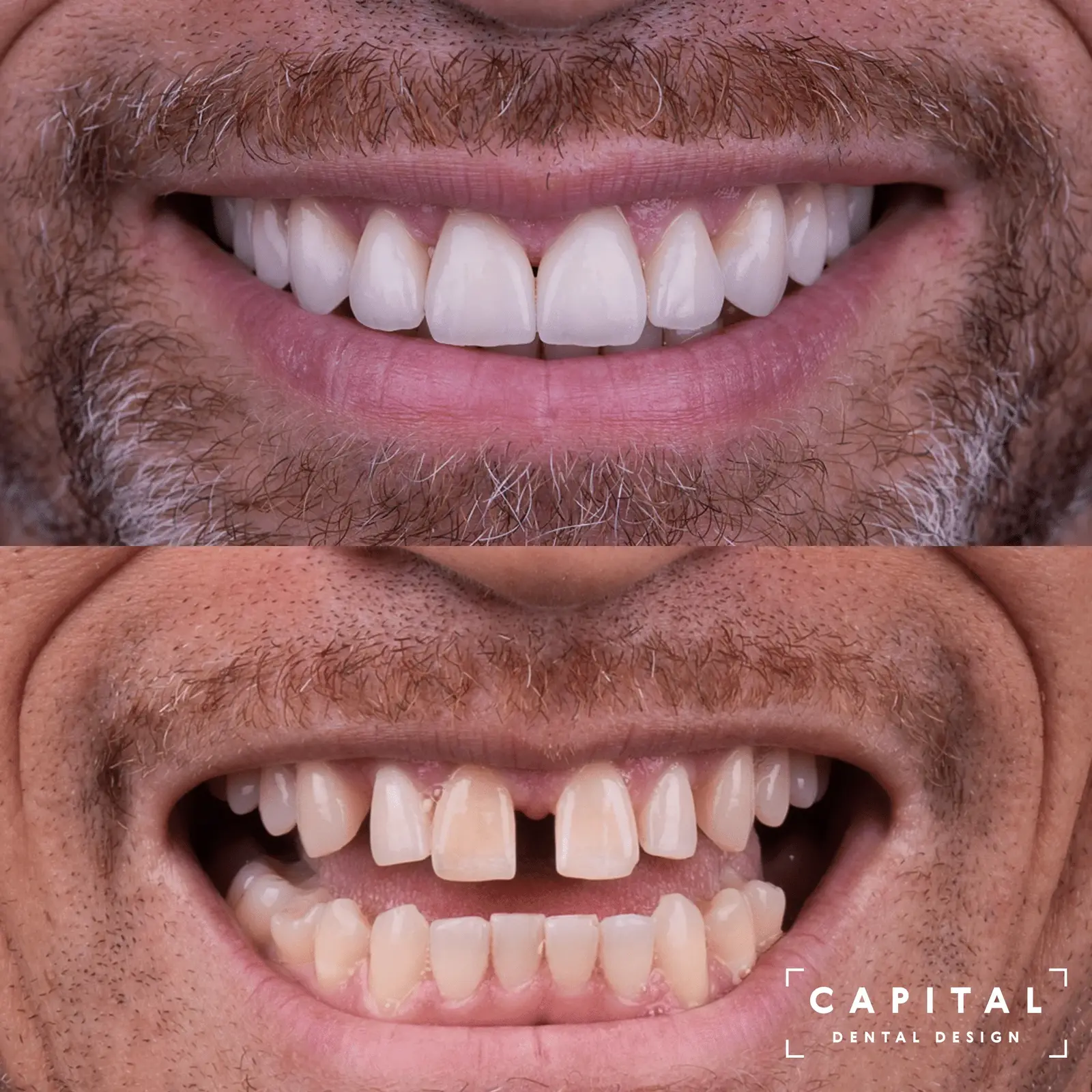
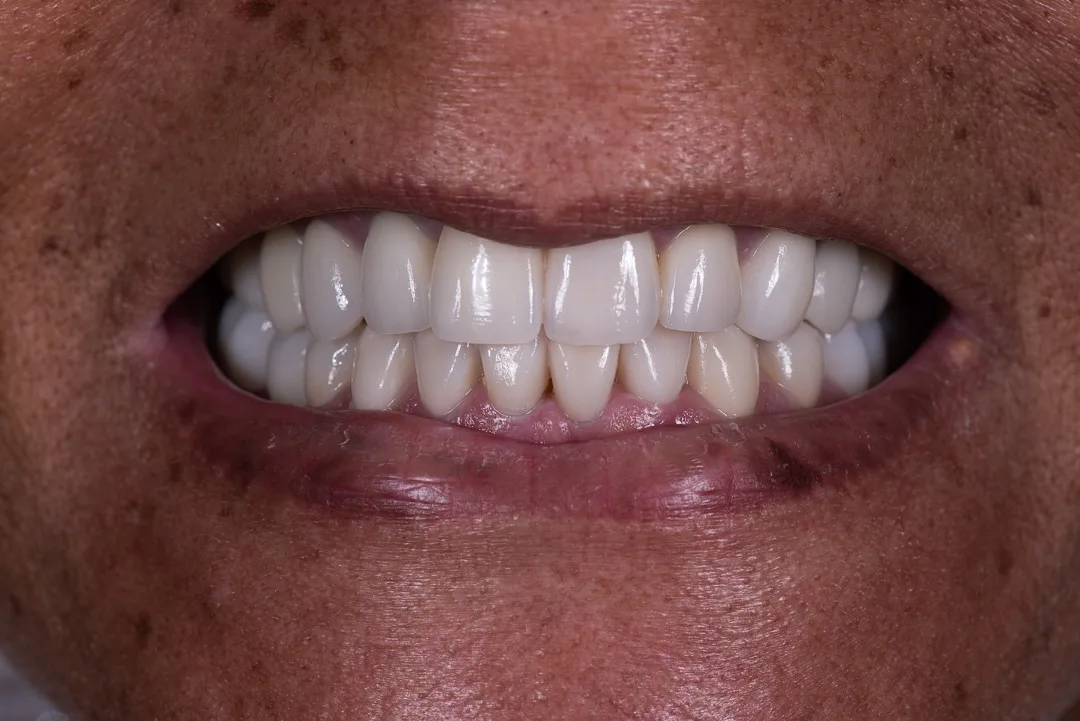

Tartar is the natural end result of neglected hygiene and plaque buildup. When we neglect the daily cleaning of our teeth, microscopic bits of food will collect on and between the teeth. This decaying food attracts huge amounts of bacteria, which otherwise live a copacetic life inside your mouth. The bacteria latches to the food, breaking it down and forming an ecosystem. As the bacteria flourish a film of food, bacteria, acid, and carbohydrates forms called plaque. Over longer periods of neglect, this plaque will harden to form a substance called Tartar. While plaque is regularly removed through proper brushing, flossing, and mouthwash–Tartar notoriously requires a dental cleaning to truly eliminate.
How to combat Tartar before it forms
The best offense is a strong defense. Before plaque gets the opportunity to harden, and before dental cumulus becomes plaque, attack it with thorough hygiene. Frequent dental cleanings and examinations with your dental care team should nip this in the bud. If you are between dentists, or having problems scheduling, follow the basic rules of precise dental hygiene.
1. Brushing- Be cautious of over brushing–especially if you have been neglectful in the past. Over brushing is a leading cause of gum recession, which opens more pockets for food and bacteria to thrive. Brush consciously, in circular motions up from the gums and towards the tapered end of the teeth. Spit toothpaste and inspect the areas of concern, see if there is lingering cumulus. Speak with your dentist about preferred toothpaste. You should brush a maximum of three times a day, and try to concentrate these times after meals.
2. Flossing- While flossing is a popular dance on social media; original flossing is way cooler. Flossing has been utilized by many early civilizations, and modern dentistry has elevated it to new levels. Floss is the most precise at-home method of plaque removal. Using antibacterial floss helps to minimize the lingering bacteria, and is the best way to physically drag debris out from between the teeth. Work the floss in between each tooth, and gently follow the shape to the gumline–working in back and forth motions. Change when the floss smells awful or begins to become discolored.
3. Mouthwash- Mouthwash is an efficient way to remove lingering bacteria in hard to reach places, and large surface areas like the cheeks. In addition, you get a minty fresh breath or two afterward.
Dental Cleanings
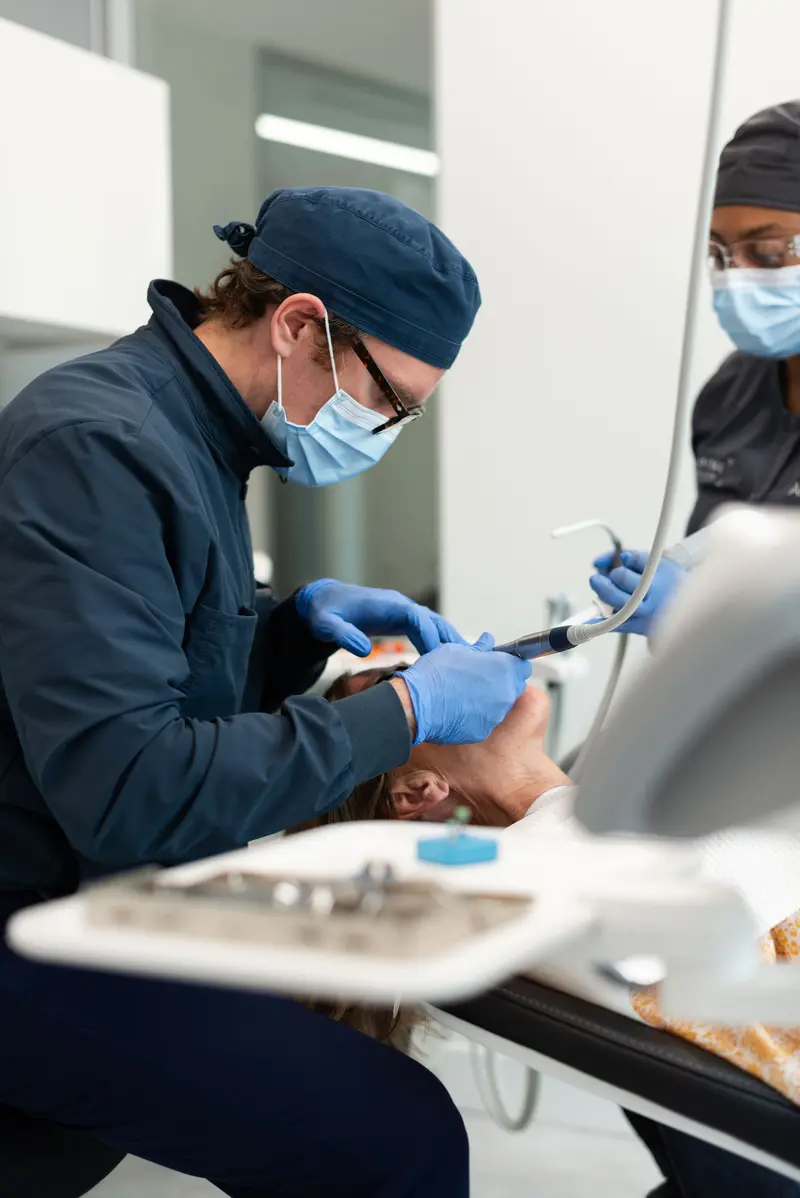
One of the best ways to remove plaque, and the safest way to remove Tartar, is to have a thorough cleaning at your dental care team’s office. These professionals have built their career around teeth, gums, jaws, and bacteria. They will quickly be able to educate you on problem or vulnerable areas. They will be able to provide you a clean start to begin anew your dental hygiene journey. Ask for a fluoridated cleaning, flossing, and scaling. Then inquire about a comprehensive examination. After you have discussed your dental health with the pros, ask about gaps in your hygiene routine, and what they recommend you focus on next.
Related: Natural Breakdown of Tartar
Have questions or ready to schedule? Contact Capital Dental Design today.
Schedule a Consultation