





Dentures versus Overdentures
Fortunately, patients with missing teeth now have more treatment options than ever. While the plethora of options for new teeth is exciting, it can also be confusing to navigate through the different options and determine which option is best. Many patients still use dentures to treat their tooth loss, however, there are now overdentures which are essentially a hybrid between dentures and dental implants. The following article will review key differences between traditional dentures and overdentures.
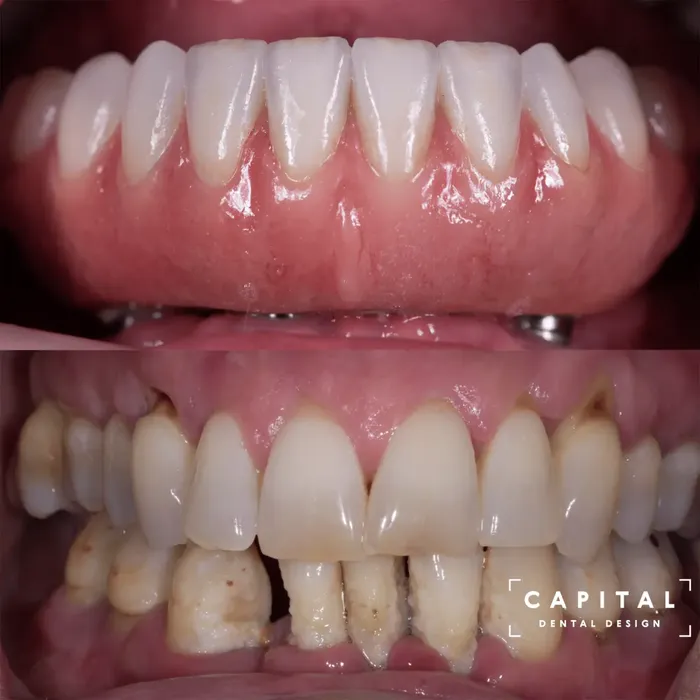
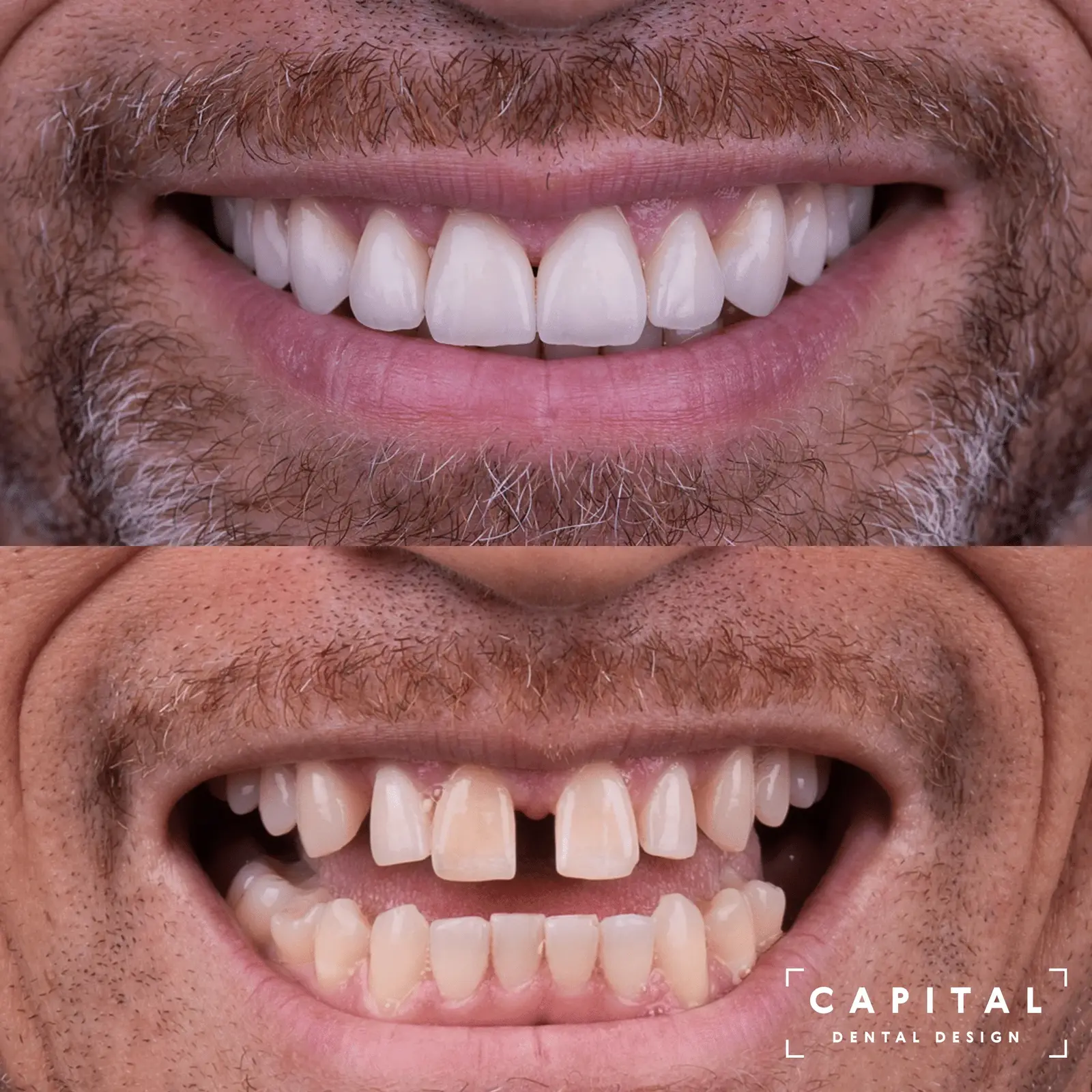
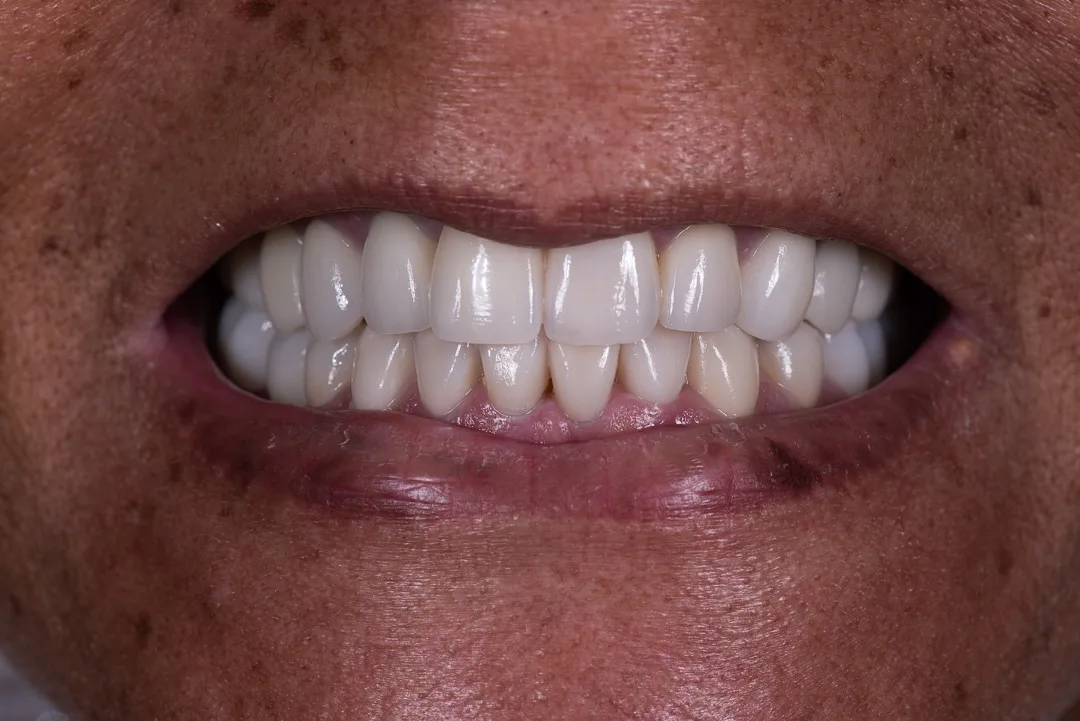
Traditional dentures are made with artificial teeth which are mounted on an acrylic base which mimic the appearance of the gums. There are various methods for securing dentures including adhesives, natural suction, or a combination of both types. Overdentures actually look similar to traditional dentures, but they are secured in the mouth with a clip or screw which connects to dental implants. The implants are surgically placed in the jawbone prior to attaching the overdenture. Because this type of denture is attached to dental implants, overdentures are incredibly stable and secure. They resolve many of the issues commonly associated with traditional dentures.
A major benefit associated with overdentures is that they allow patients to consume the food they want without restrictions. This can also result in improved nutrition. Traditional dentures can require patients to restrict their diet and avoid certain foods. They can also impact the patient’s ability to taste as the palate, which contains taste buds, is covered. Overdentures do not cover the palate and therefore avoid modifying the patient’s taste. With traditional dentures, some types of foods such as meats and crunchy vegetables must be completely avoided or cut up. Overdentures are more secure and stable, therefore, avoiding these types of restrictions and modifications.
Overdentures also make it easier to speak clearly. Speech in general is clearer. In some cases, patients with traditional dentures can struggle with the letters “s” and “f”. These sounds can be muffled or lisped due to the palate being covered.
Overdentures are also advantageous for a patient’s oral health as they help prevent bone loss. With overdentures, the force of the bite is transferred from the false teeth, through the dental implants, and to the jaw bone. The jaw relies on this stimulation to maintain and create new bone. With missing teeth, the bone can begin to resorb and even change the shape of the patient’s face.
Bone resorption is quite common with traditional dentures which rest on the gums. Because there is no stimulation of the jaw bone, there can be significant bone loss. Over time, the bone resorption can result in ill-fitting dentures which require ongoing adjustments. The bone loss can also make patients look older than they actually are because the bone structure begins to shrink and causes the face to appear sunken in. This can also ca
Related: What is a Bar Retained Overdenture
Have questions or ready to schedule? Contact Capital Dental Design today.
Schedule a Consultation