





How Long Does a Dental Bridge Last
When considering dental restorations or devices, patients usually want to know how much the procedure costs, how painful it will be, and what the recovery process looks like. In addition to these factors, patients want to know how long their restoration will last and ways to maximize its longevity. This article will focus on the longevity of dental bridges and ways to ensure patients get the most out of the device over its lifespan.
Dental Bridges: Overview
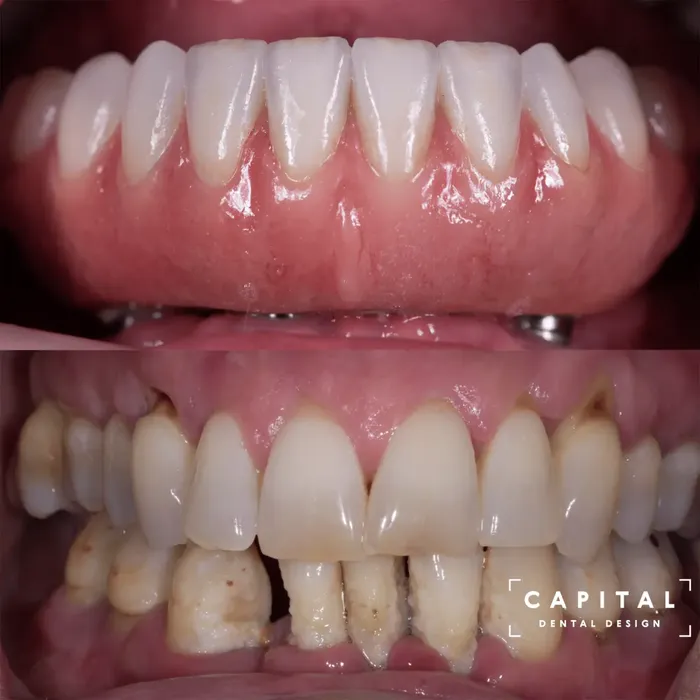
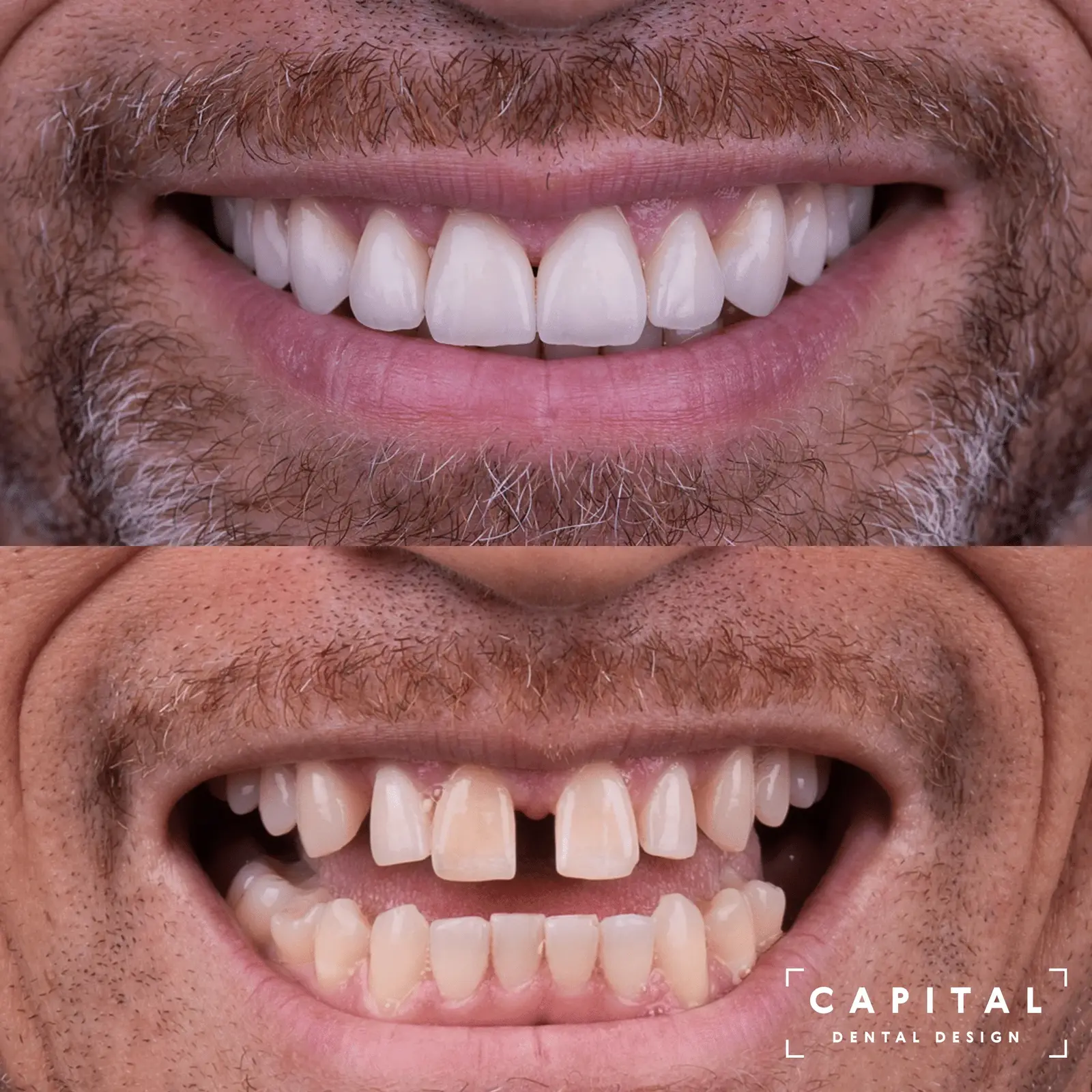
Dental bridges are used to replace a lost tooth or teeth and close the gap left as a result. Bridges can either be removable or fixed. A removable bridge employs a prosthetic tooth or crown that clips onto existing teeth. This replacement option is impermanent and has to be removed daily for cleaning. Patients that opt for removable over fixed bridges generally do so because they are less costly and do not necessitate surgery. Alternatively, fixed bridges can be used and come in two forms. One fixed bridge type, like a removable bridge, attaches to natural teeth but is cemented in place. The other form, attaches to dental implants that are surgically embedded into the jawbone under the gumline. Dental implants are growing in popularity as they provide a more sturdy foundation for the restoration that lasts significantly longer than other tooth replacement options.
How Long do Dental Bridges Last?
Because lifestyle, diet, and oral care routine can greatly influence the longevity of the devices, there are varying opinions throughout the dental profession regarding how long dental bridges last. By routinely visiting the dentist and practicing a thorough oral hygiene regimen, the Cleveland Clinic estimates dental bridges last five to 10 or more years. The University of Rochester Medical Center agrees that 10 years to the patient’s lifetime, could be possible for a dental bridge if oral hygiene is properly maintained.
How to Care for a Dental Bridge
Just as patients should with their natural teeth, good oral hygiene should be practiced with dental bridges. Fixed bridges should be flossed daily and brushed two times per day. Regular dentist visits for professional cleanings are also advised to ensure oral and bridge health. With removable dental bridges, it is important to remove food debris and plaque from the device every day. Some tips to ensure the replacement teeth are properly cared for include: * To avoid breakage in the event it is dropped, clean the removable bridge over a folded towel or full sink of water. * Brush the bridge with a denture brush or soft-bristled toothbrush. Denture cleaners can be used but household cleaners or abrasive toothpastes should be avoided as they can scratch the surface of the bridge. * Rinse with cool water after brushing as hot water could cause the bridge to warp. * Unless advised by the dentist to do so, do not soak the bridge in water or solution overnight as the metal
Related: Non Implant Missing Tooth Replacement Options
Have questions or ready to schedule? Contact Capital Dental Design today.
Schedule a Consultation