




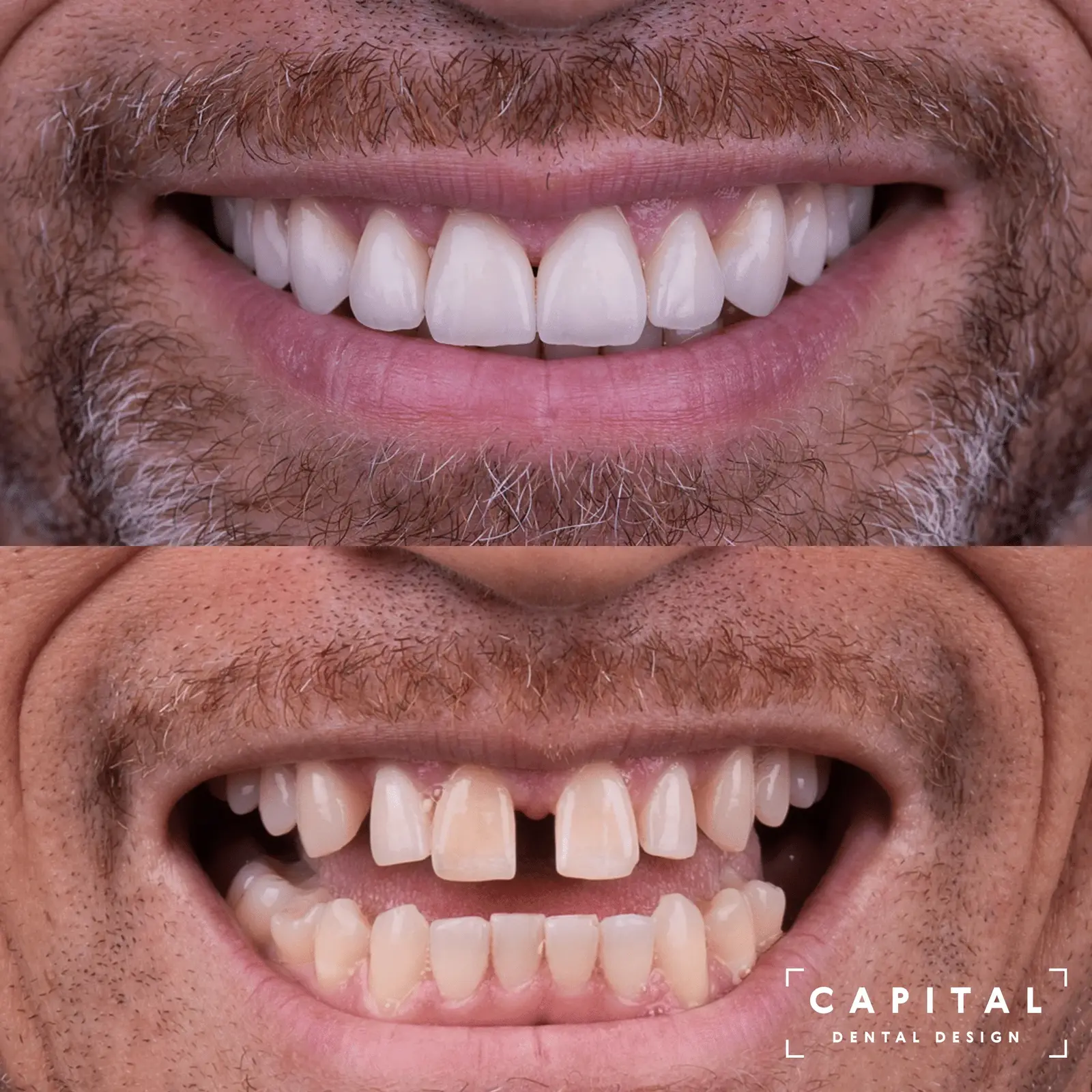
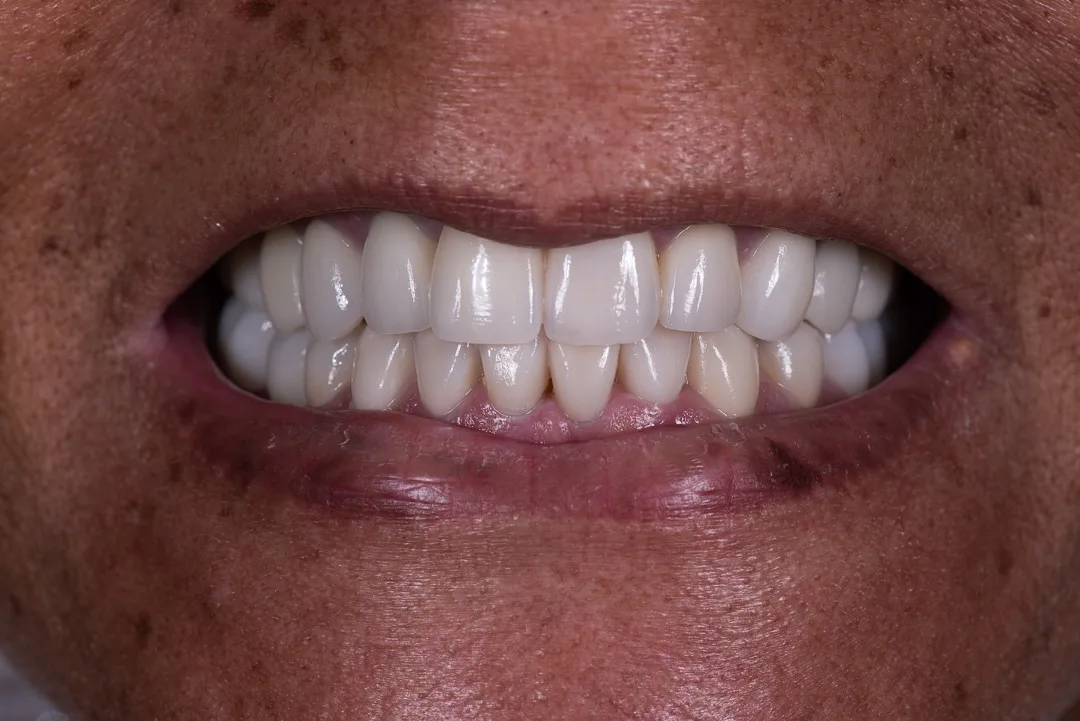

Non Implant Missing Tooth Replacement Options
Whether due to extraction, trauma, or poor oral health, there are numerous ways a person could experience tooth loss. Fortunately, there are several replacement options available for patients missing one or more teeth. In general, treatments include dental implants or are non-implant based. While dental implants are growing in popularity, they are more expensive and the process to replace a lost tooth can take several months to complete.
Patients seeking non-implant alternatives, are likely curious about their options. To better inform this audience, this article will focus on the characteristics of non-implant based tooth replacement treatments.
Non-Implant Options for Replacing Missing Teeth
Patients seeking non-implant replacement options most commonly turn to dental bridges or dentures. Both are available in different forms which will be highlighted below:
Dental Bridges
As the name suggests, a dental bridge is used to close, or “bridge”, the gap left by a lost tooth. Bridges employ a prosthetic tooth (called a pontic) connected to adjacent teeth by an attachment. * Tooth-Supported Fixed Bridge: Also known as a traditional bridge, this is the most common dental bridge type and is most suitable for replacing a single tooth. To place a traditional bridge, enamel from the healthy teeth adjacent the gap must be removed to attach the device. Typically, traditional dental bridges last between 5-10 years before requiring replacement.
* Resin-Bonded Bridge (Maryland Bridge): Where as traditional bridges require intentionally removing healthy tooth enamel to support the device, Maryland bridges attach to the back of adjacent teeth with bonding resin. These bridges are more frequently used when replacing front teeth that do not have the same rigorous chewing demands that back teeth do. And although Maryland bridges require less preparation of adjacent teeth, they are considered as secure as traditional fixed bridges.
Dentures
Dentures offer an advantage over bridges in that adjacent teeth are unaffected and do not require preparation. As such, they offer a quick, affordable restoration option but if not properly designed and fitted to the mouth, they could become ill-fitting and uncomfortable. * Removable Partial Denture: A fast solution for one or more missing teeth, removable partial dentures partially address the tooth replacement issue. These custom-made prosthetics fit around the patient’s remaining teeth and are secured with metal attachments. These dentures do not function or look exactly the same as natural teeth so they may take some time to adjust to.
* Removable Complete Denture: These dentures sit atop the patient’s gums to replace a full set of upper or lower teeth. Because ill-fitting dentures are prone to shifting out of place and being uncomfortable, it is critical to get a complete denture designed specifically to fit the p
Related: What is a Dental Bridge
Have questions or ready to schedule? Contact Capital Dental Design today.
Schedule a Consultation