



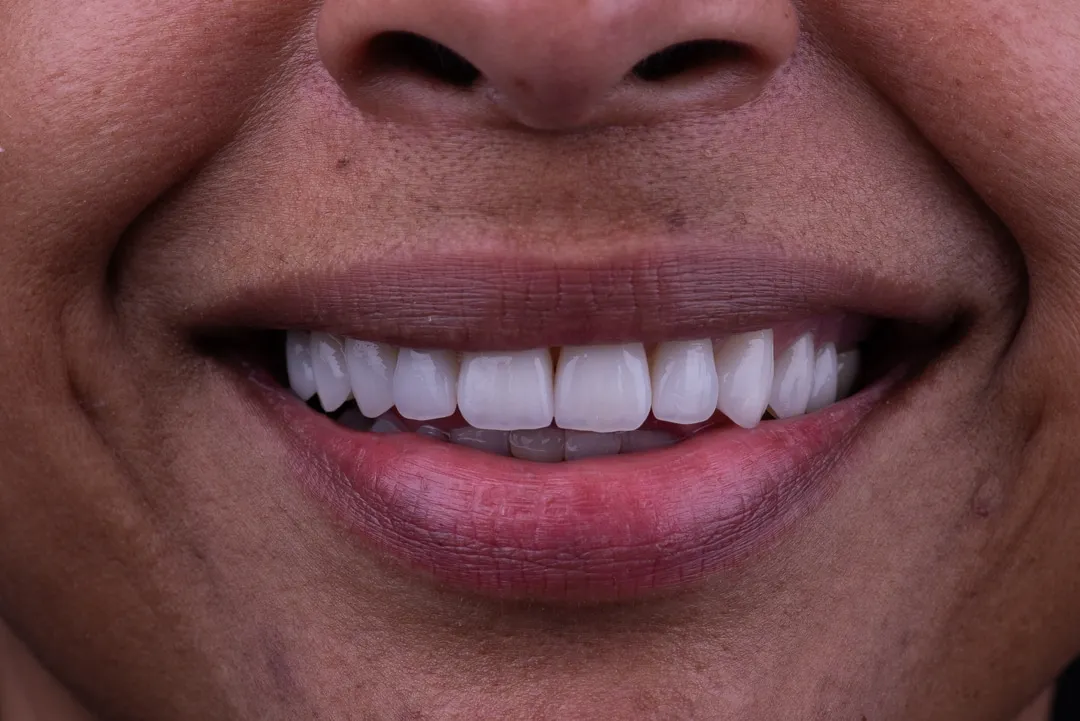
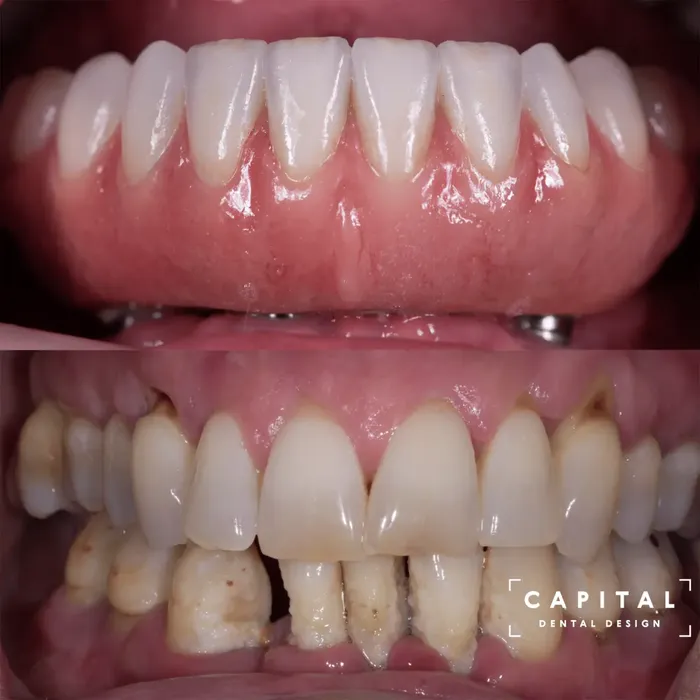

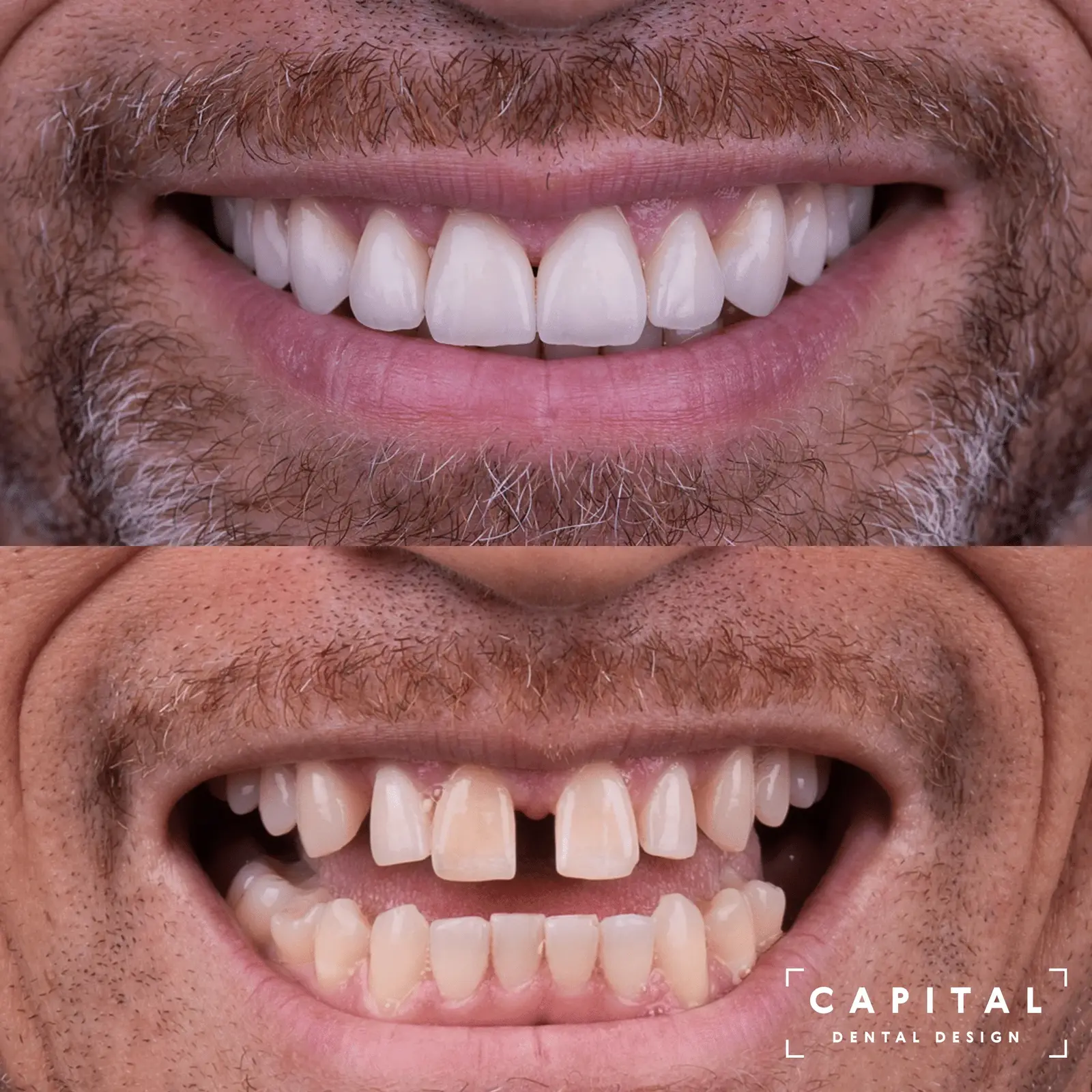
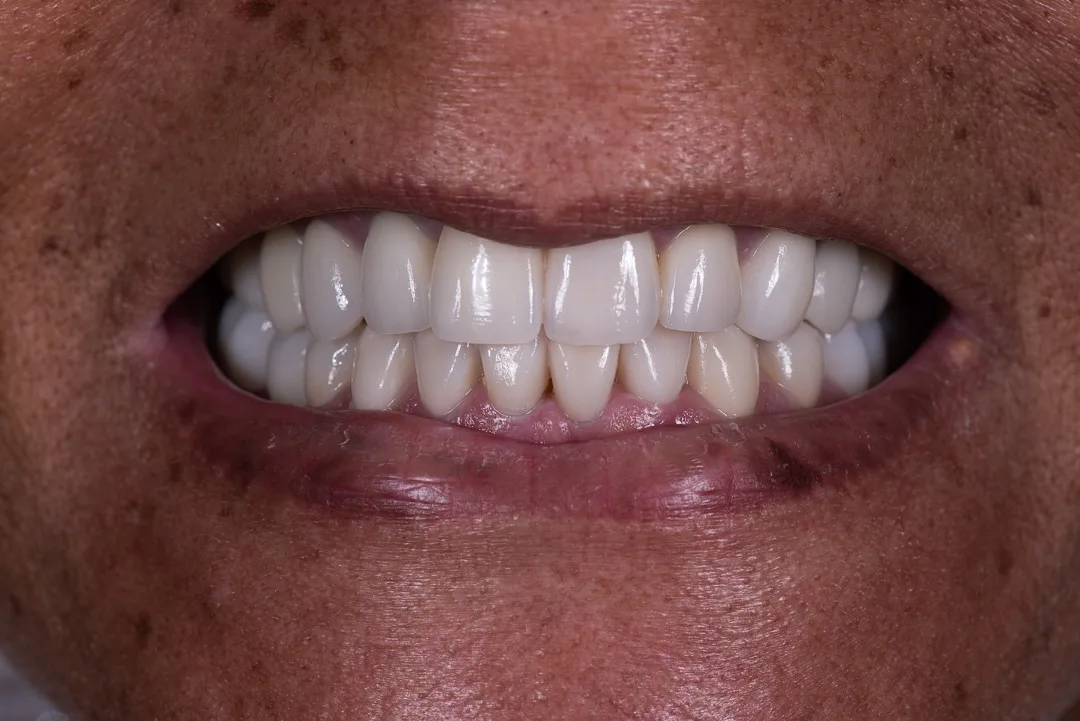

Dental bridges are oral appliances designed to close, or bridge, the gap caused by one or more lost teeth. Bridges are comprised of a false tooth or teeth (called pontics) that are supported by the teeth adjacent either side of a gap (called abutment teeth). While pontics are available in a variety of materials, including gold, they are typically made of porcelain to better blend aesthetically with the natural teeth.
Types of Dental Bridges
Dental bridges are available in four main types: traditional, cantilever, Maryland, and implant-supported.
* Traditional: Bridges that employ a prosthetic tooth/teeth that is kept in place via dental crowns cemented to the abutment teeth. Traditional bridges are the most popular dental bridge type and can be used for patients that have remaining teeth on both sides of the missing tooth gap.
* Cantilever: Unlike a traditional bridge where pontics are cemented to all abutment teeth, pontics in cantilever dental bridges are only cemented to one abutment tooth. As such, patients only need to have one natural tooth next to a gap to use a cantilever bridge.
* Maryland: Like traditional bridges, Maryland dental bridges utilize two abutment teeth on each side of a gap. Whereas traditional bridges utilize dental crowns on abutment teeth, Maryland bridges employ a framework of either porcelain or metal that is bonded onto the abutment teeth. Maryland bridges, like traditional bridges, can only be used for patients with natural teeth on each side of the gap.
* Implant-Supported: Instead of frameworks or crowns, implant-supported bridges are held in place using surgically placed dental implants. Generally, one implant is placed for each lost tooth to hold a bridge in place. In other instances, two implant-supported crowns are used to suspend a pontic between them. Implant-supported bridges typically require one surgery to place the implants in the jaw and a second to place the bridge. The procedure can take several months to completely finish but is considered to be the strongest and most stable.
Process for Getting Dental Bridges
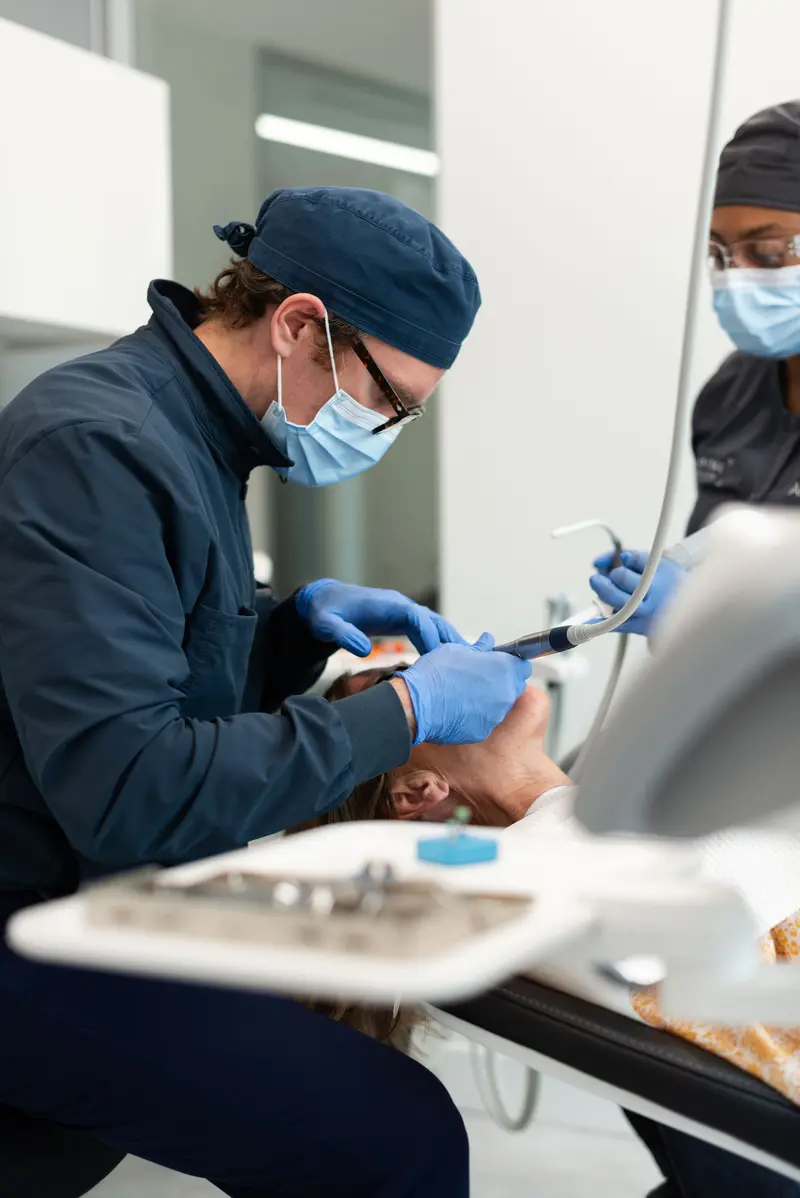
Abutment teeth are prepared during the initial dental bridge visit. To prepare the teeth, portions of enamel are removed to allow adequate room for the crown to place over them. Impressions of the teeth are then taken from which the dental lab will model the bridge, crowns, and pontic. While the bridge is being manufactured, the dentist will provide the patient with a temporary bridge to protect the exposed gums and teeth.
In a second appointment, the temporary bridge is removed, and the new metal or porcelain bridge is adjusted and checked to achieve ideal fit. To ensure the metal framework and bite fit properly, multiple visits may be necessary depending on the patient’s specific needs. Should the bridge be fixed, the dentist could temporarily cement it in place for a period of weeks to ensure it fits before permanently cementing it in place.
Benefits of Dental Bridges
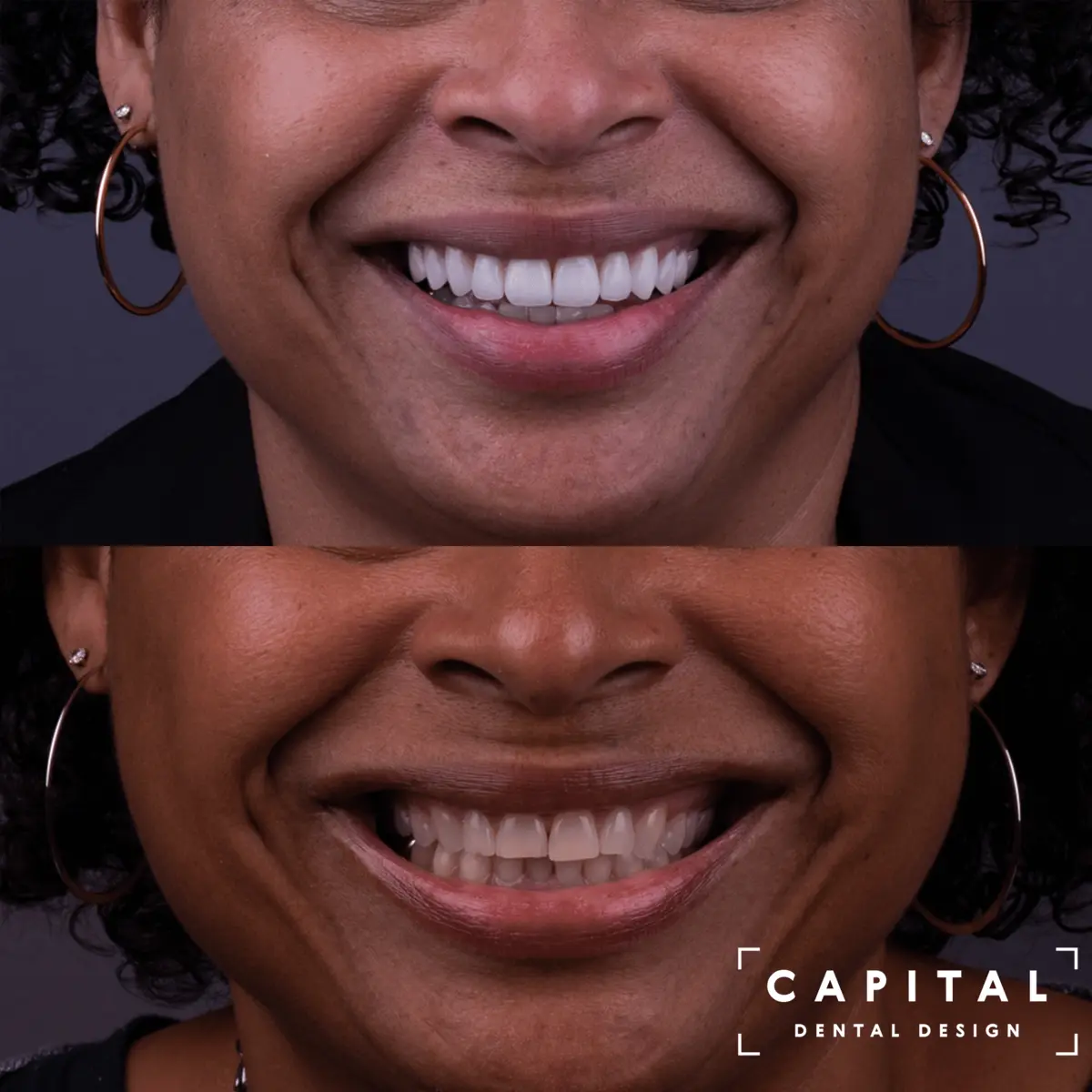
* Restore the patient’s smile
* Restore the ability to speak and chew properly
* Maintain facial symmetry
* Helps to properly distribute bite forces through tooth replacement
* Prevents remaining teeth from shifting out of alignment
Related: What is a Maryland Bridge
Have questions or ready to schedule? Contact Capital Dental Design today.
Schedule a Consultation