



Oral Surgery
Safe, comfortable removal with multiple sedation options. Guided by advanced imaging and performed with precision.
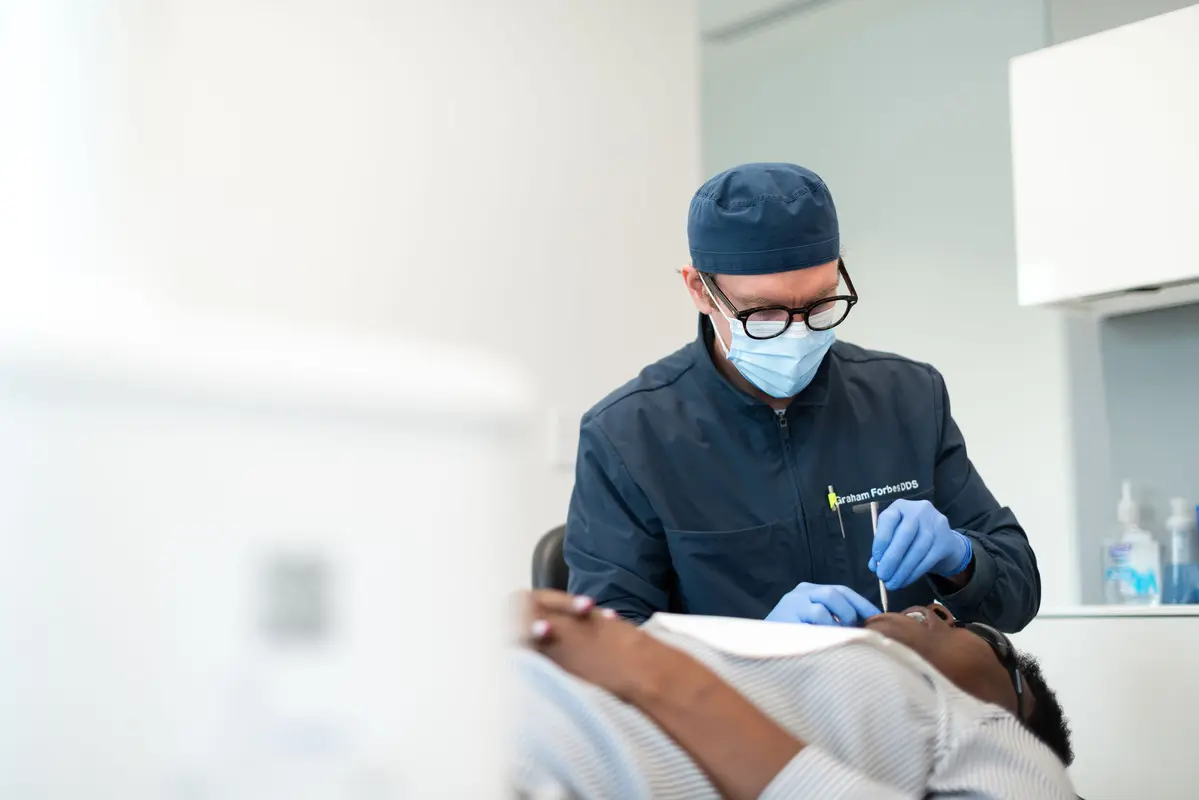
The Procedure
Most patients simply do not have enough room in their mouth to accommodate four extra teeth. Even if wisdom teeth have not erupted through the gum tissue, they can eventually begin to work their way out and cause problems in neighboring healthy teeth.
Wisdom teeth often come in at an angle and can press on their neighbors. They can develop decay that spreads to other healthy teeth. Because they are so far back in the mouth, they are hard to reach and may not be easily cleaned.
Having your wisdom teeth removed will not be suggested lightly. Treatment is often recommended for patients between the ages of 17 and 25 or in conjunction with orthodontic treatment.
Your Comfort
There are three anesthetic options that will be considered for your procedure. Your surgeon will discuss each option and recommend the best approach based on the complexity of your case and your comfort level.
Anesthesia Types
Injections of novocaine at the extraction sites. You will be awake during surgery but will not feel anything. Ideal for straightforward extractions of erupted wisdom teeth.
Puts you completely to sleep and can be beneficial for patients with impacted wisdom teeth or those who prefer not to be aware during the procedure.
Intravenous anesthesia places you in a relaxed, drowsy state. Local anesthesia is also administered at the extraction sites. You will be awake but comfortable and at ease.
What to Expect
From consultation through recovery. Every step is explained in advance so you know exactly what to expect.
Your dentist will evaluate your wisdom teeth with advanced imaging. If removal is recommended, you will be referred to an oral surgeon for a consultation. This is the time to ask questions and understand your post-operative care instructions.
Your oral surgeon will confirm that your wisdom teeth need to be removed, schedule your surgery, and discuss the anesthesia that will be used. You will know whether you need someone to drive you home afterward.
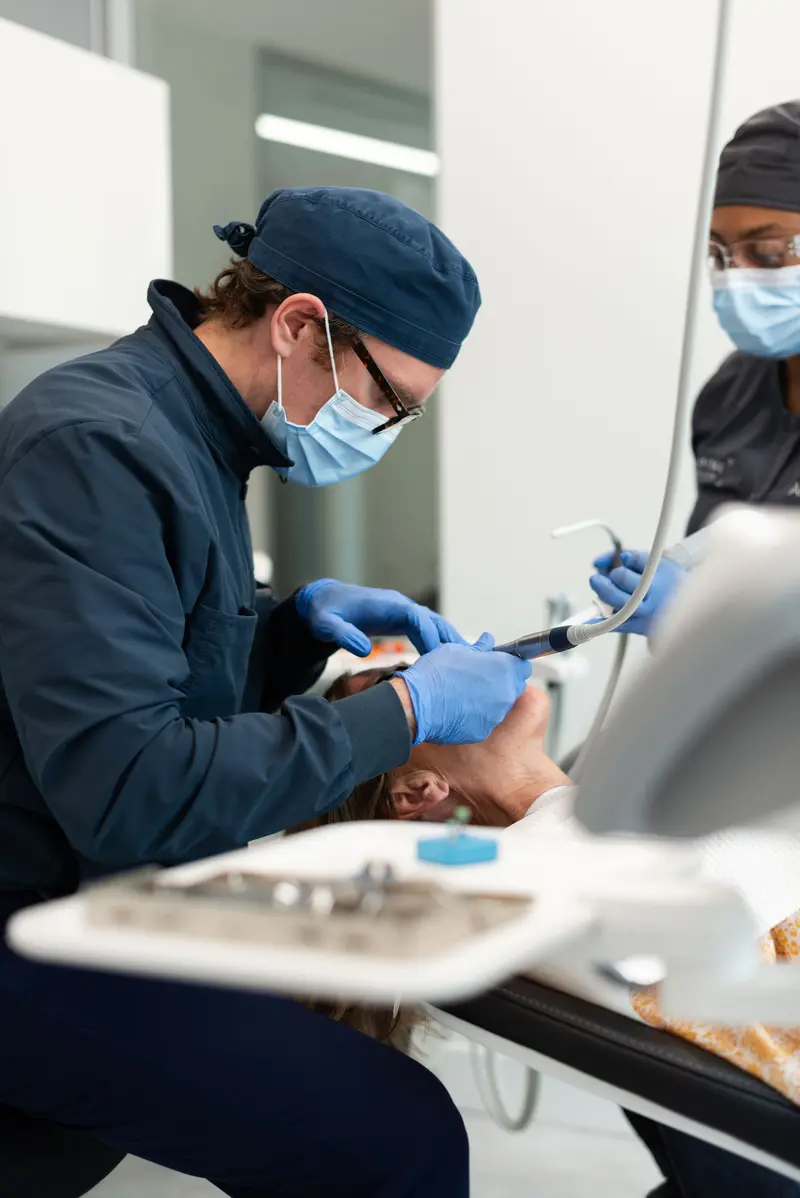
Depending on how many teeth are being removed and whether they have erupted, surgery may last about 45 minutes. After extraction, each site is stitched up. Your surgeon will ensure you have recovered from anesthesia before releasing you.
The doctor will provide detailed post-operative instructions for the next 7 to 10 days. An antibiotic will be prescribed and should be taken as directed to prevent infection. Most patients return to normal activity within a week.
Address
6946 Forest Ave, Suite 205
Richmond, VA 23230
Phone
804.320.8894Hours
Monday – Thursday
9:00 AM – 5:00 PM
Related Services