



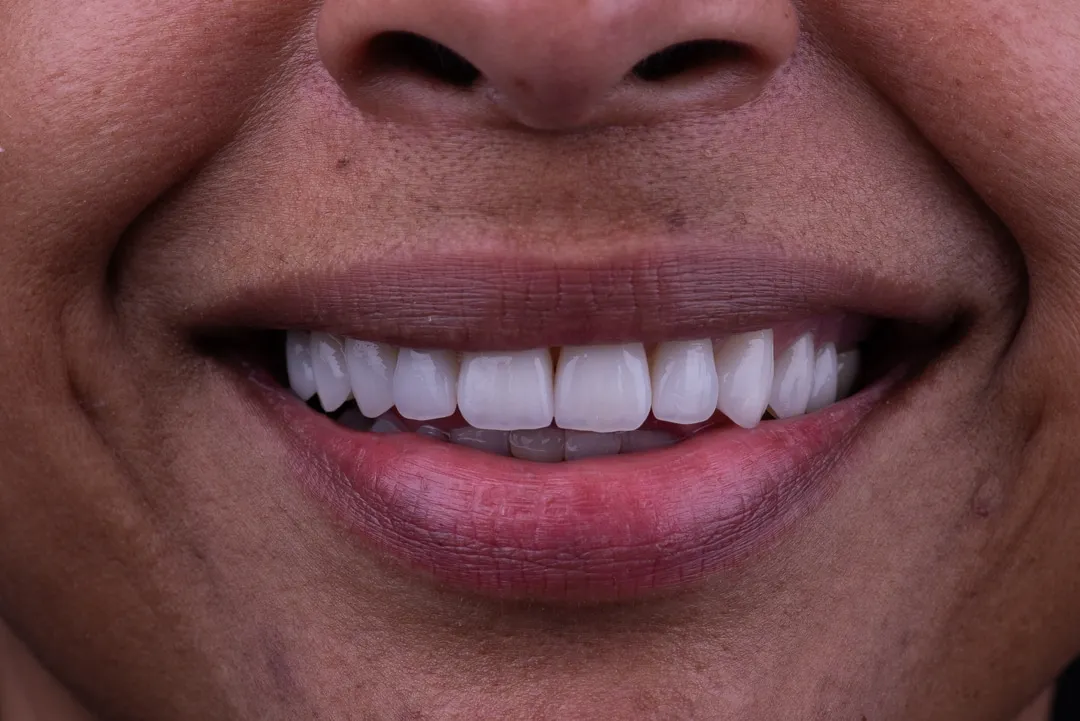
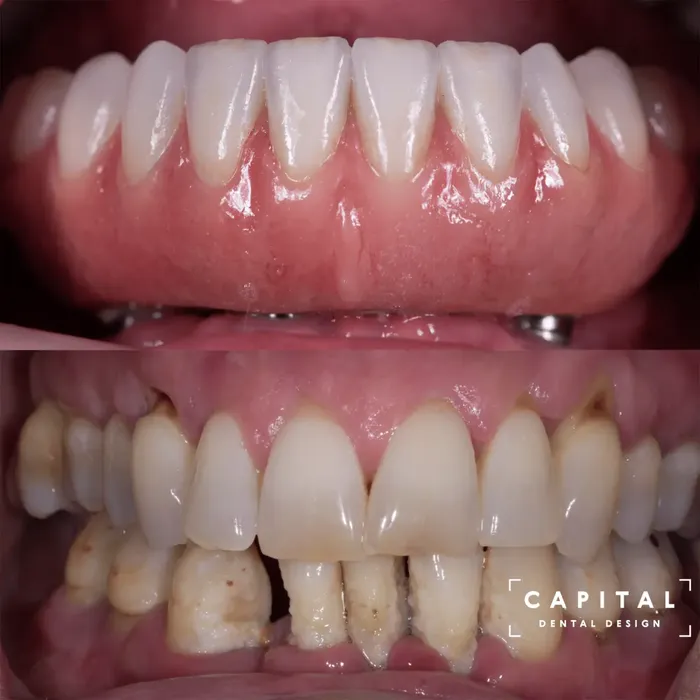

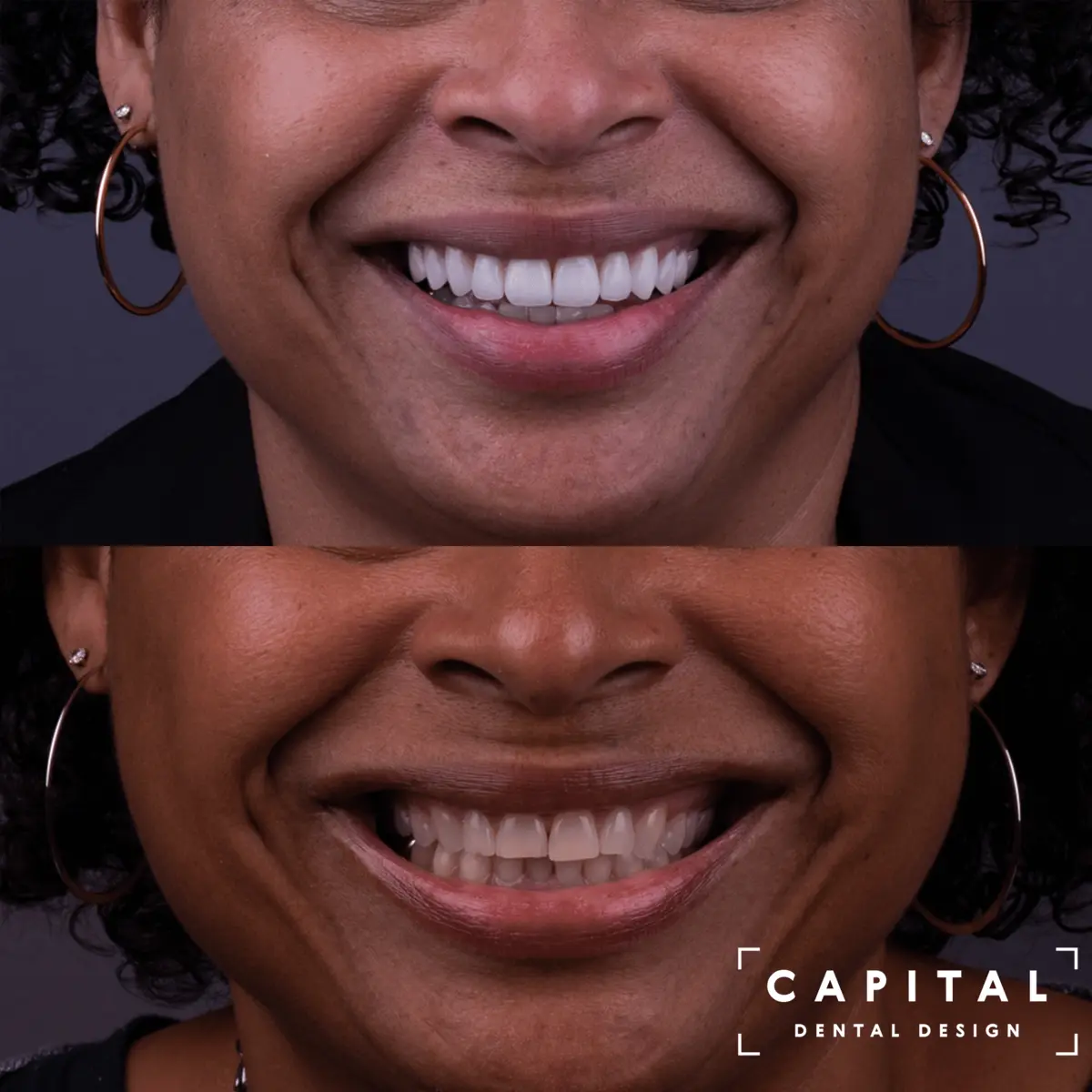
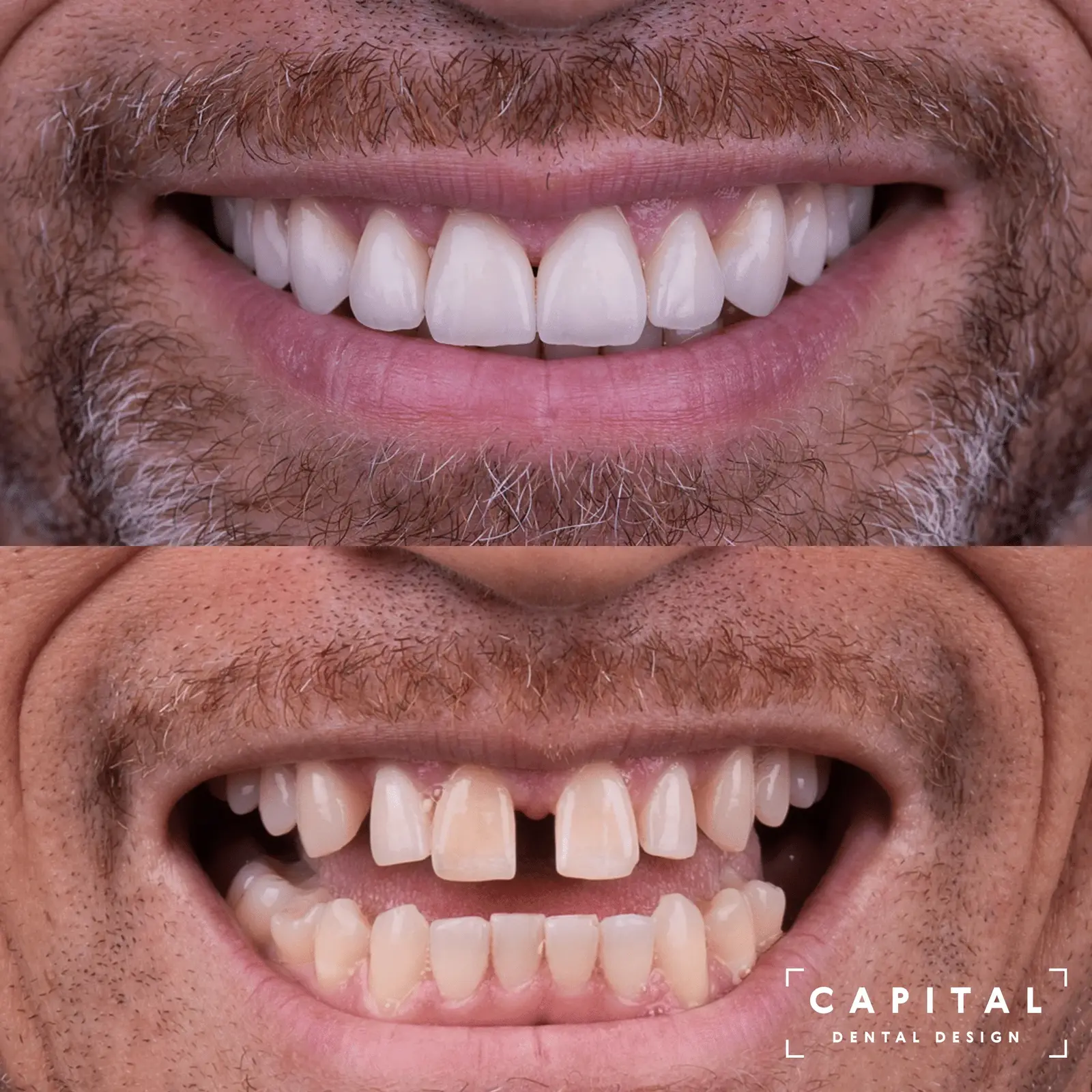
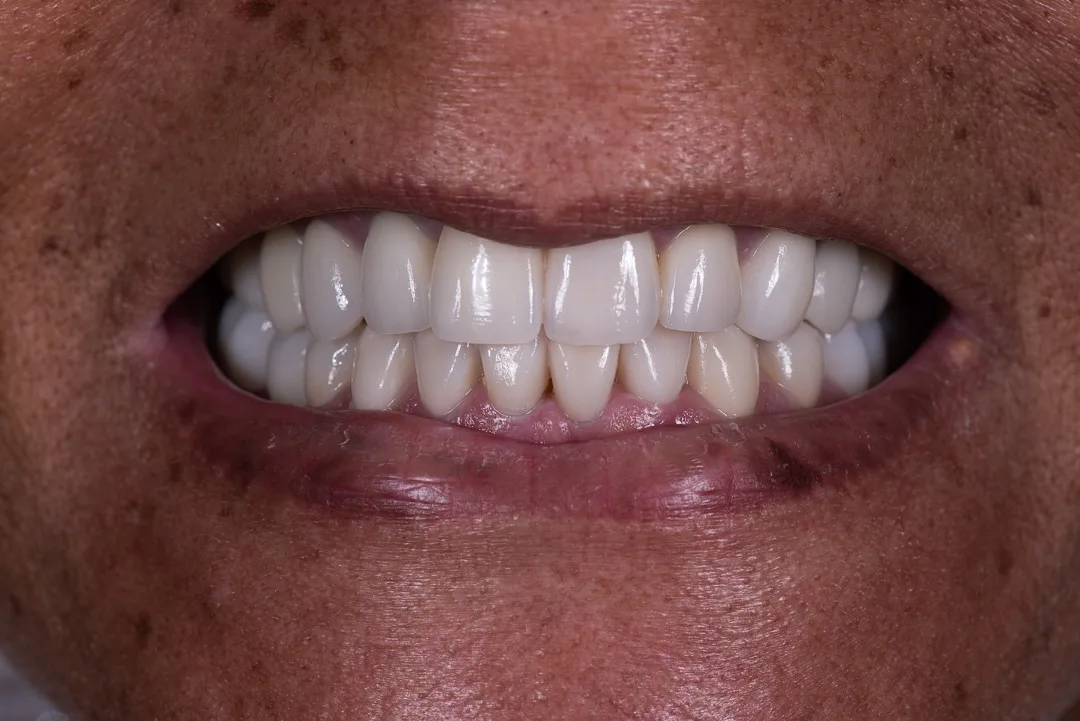

If you’re missing multiple teeth, you may have considered removable dentures – or maybe you already have dentures. More than half of people who wear removable dentures report that their lifestyles are somehow limited by their dentures, either because they interfere with eating, smiling, and speaking, or because the dentures need to be removed overnight, which can make people who share beds feel awkward. Permanent dentures can be an effective solution for people who want to replace multiple missing teeth and aren’t interested in removable dentures. In many cases, a permanent denture can be placed on as few as two or four dental implants to support an entire row of replacement teeth, making permanent dentures less invasive than other dental implant treatments and also less expensive. Because these implants hold a denture securely in place, the bulk of the limitations of removable dentures are eliminated.
Permanent dentures are artificial teeth that are attached to dental implants, which are tiny cylinders that are surgically placed in the jaw. As the bone surrounding the implant heals, it fuses with the implant, creating a secure anchor for replacement teeth. Once the bone has fully healed, the permanent denture can be placed. If you’re missing a single tooth, the dental implant might support a dental crown, but permanent dentures can also replace a few missing teeth or an entire row, or both rows. When maintained properly, permanent dentures can provide a lifetime of secure smiles, clear speech, and balanced nutrition.
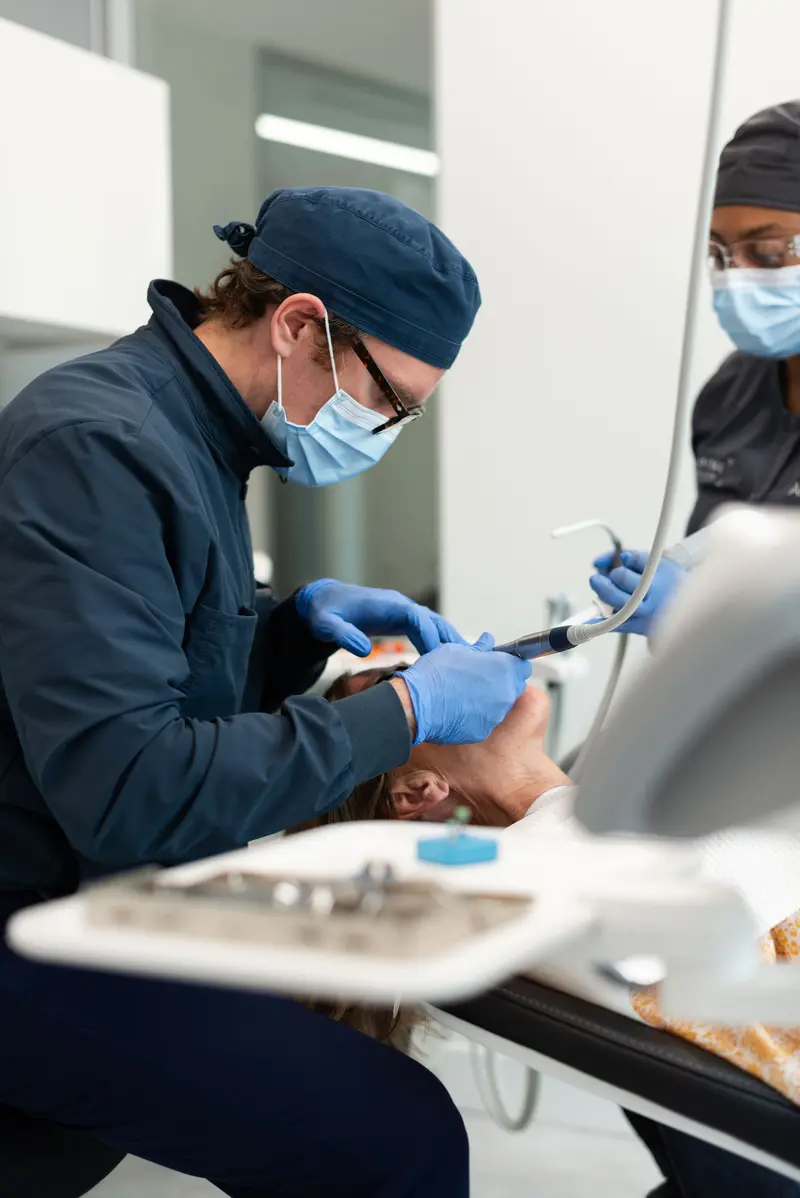
Because they rely on the health of the bone for support, in order for a patient to be eligible for permanent dentures, they should have enough healthy bone in the jaw to support dental implants and should be in overall good health. The procedure begins with a thorough oral examination and a review of the patient’s medical history. This examination includes x-rays of the jaw to determine the best location for the implants and assess the condition of the jaw. Depending on the extent of your treatment and the condition of the jawbone, additional procedures may be required before dental implants can be placed. If you have damaged natural teeth that remain in the mouth, these will be removed. If gum disease is present, it will be treated so that the mouth is restored to health before implants are placed. This treatment may include bone grafts if there is insufficient healthy bone to support the number of implants required, and patients must heal fully following any of these procedures before the implant procedure can occur. These procedures will be performed while the patient is anesthetized with either a local or general anesthetic.
Once the oral cavity has been prepared, the implants are placed into the jaw. They are then given time to heal. Because dental implants are made of biocompatible material that effectively supports bone, as the bone heals around the implants, it fuses to the implan
Related: Why do I get Tartar So Easily
Have questions or ready to schedule? Contact Capital Dental Design today.
Schedule a Consultation