




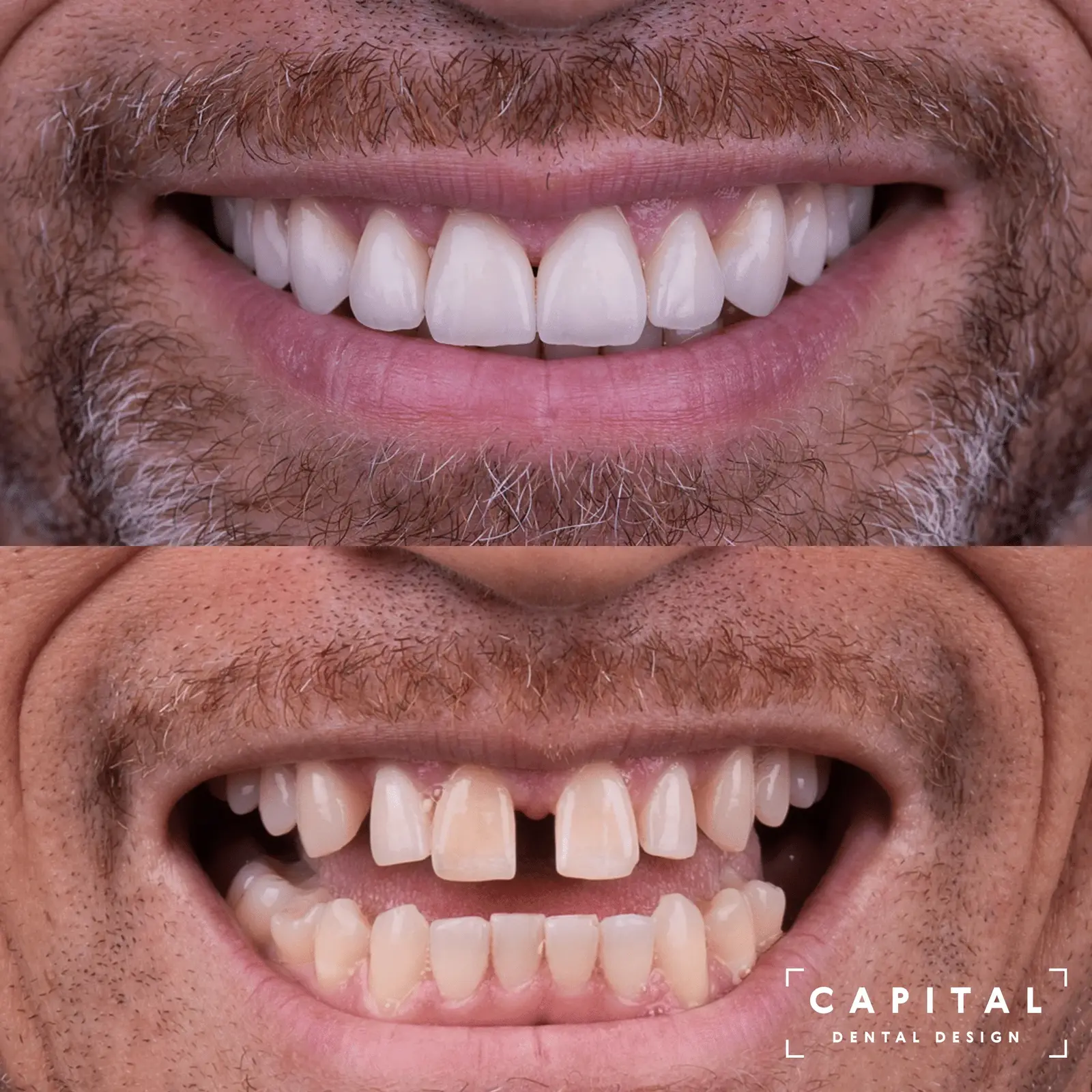
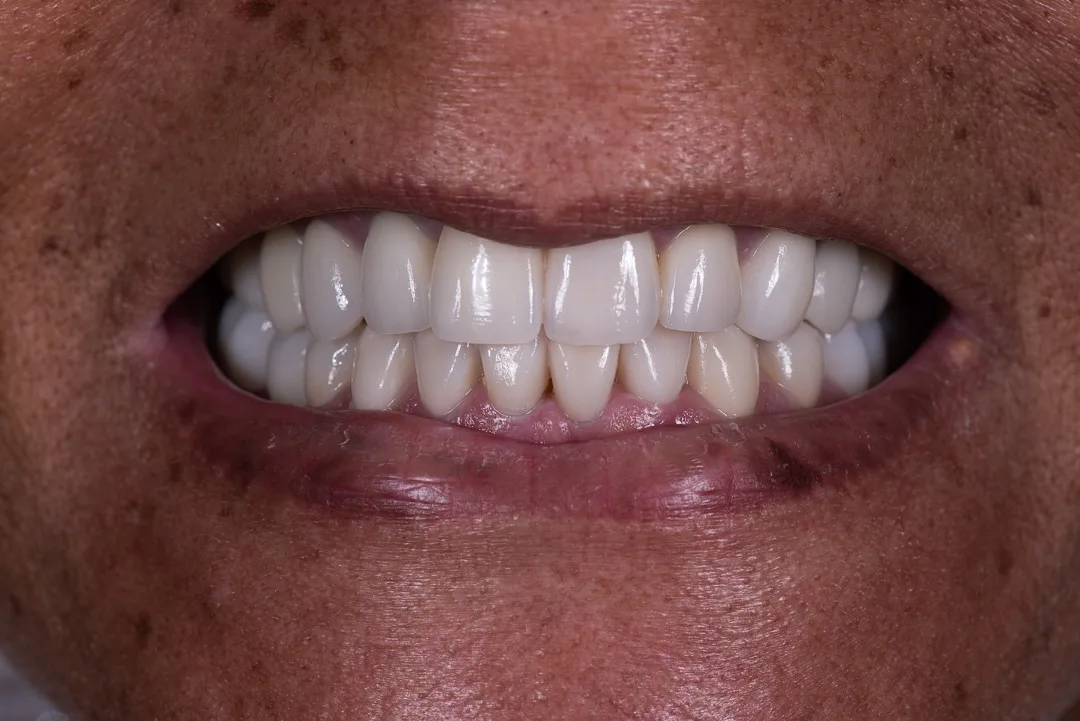

Denture Stabilization
While dental implants continue to increase in popularity, dentures remain a frequently chosen option for patients seeking an affordable way to replace missing natural teeth. For many denture wearers, however, the discomfort and inconvenience is barely outweighed by their cosmetic and functional benefits. Dentures can slip and rub against the soft tissues of the mouth, causing painful sores and interfering with eating and speaking, and the messy, bad-tasting adhesive that holds them in place can affect the flavors of food and be difficult to clean off of delicate gum tissue. While they’re affordable, removable dentures lack much of the comfort and convenience of more permanent dental restorations like dental implants. Thankfully, developments in dental restoration technology have resulted in denture stabilization, an effective alternative for people who want a happy medium between the affordability of dentures and the stability of dental implants.
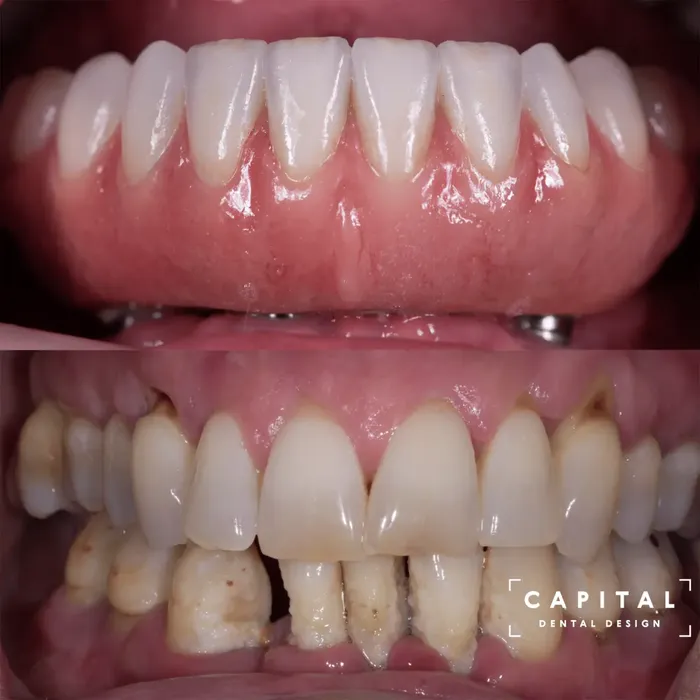
In a denture stabilization procedure, dental implants are used to hold dentures securely in place. Dental implant posts are inserted into the jawbone and then used to secure the dentures in the mouth. As few as two or four implants can often be used to support an entire row of artificial teeth, stabilizing the dentures in the mouth while stimulating the health of the bone that supports them. Dental implants are made of material that naturally encourages the growth of bone tissue and has been proven to be a highly biocompatible material that is well-suited for multiple types of medical implants. When dental implants are placed, they effectively become a formal substitute for a healthy tooth root, stimulating the health and continued growth of the bone that surrounds them. This helps create the long-lasting foundation that dental implants can provide while it prevents the dentures from moving around in the mouth and rubbing on the gums, and it holds the teeth in place to facilitate comfortable eating and speaking. It also provides the added benefit of preventing continued bone loss in the jaw, a problem that arises when there is no root present to encourage and promote the health of the jaw; bearing the forces of biting and chewing helps strengthen the bones and muscles in the jaw, and this doesn’t happen where a tooth is missing. When an existing denture is stabilized with dental implants, an additional attachment apparatus may be affixed to the denture in order to hold it tightly on to the implant attachment abutments and distribute force evenly across the row of teeth. Implant-supported overdentures are considered a permanent solution, and, once they are placed, they can only be removed by a dental professional.
One-to-one dental implant restorations, in which a single dental implant post supports a single dental crown, or artificial tooth, are the gold standard of dental restoration options. However, if a person needs to have multiple teeth replaced, th
Related: Dental Implants and Diabetes
Have questions or ready to schedule? Contact Capital Dental Design today.
Schedule a Consultation