




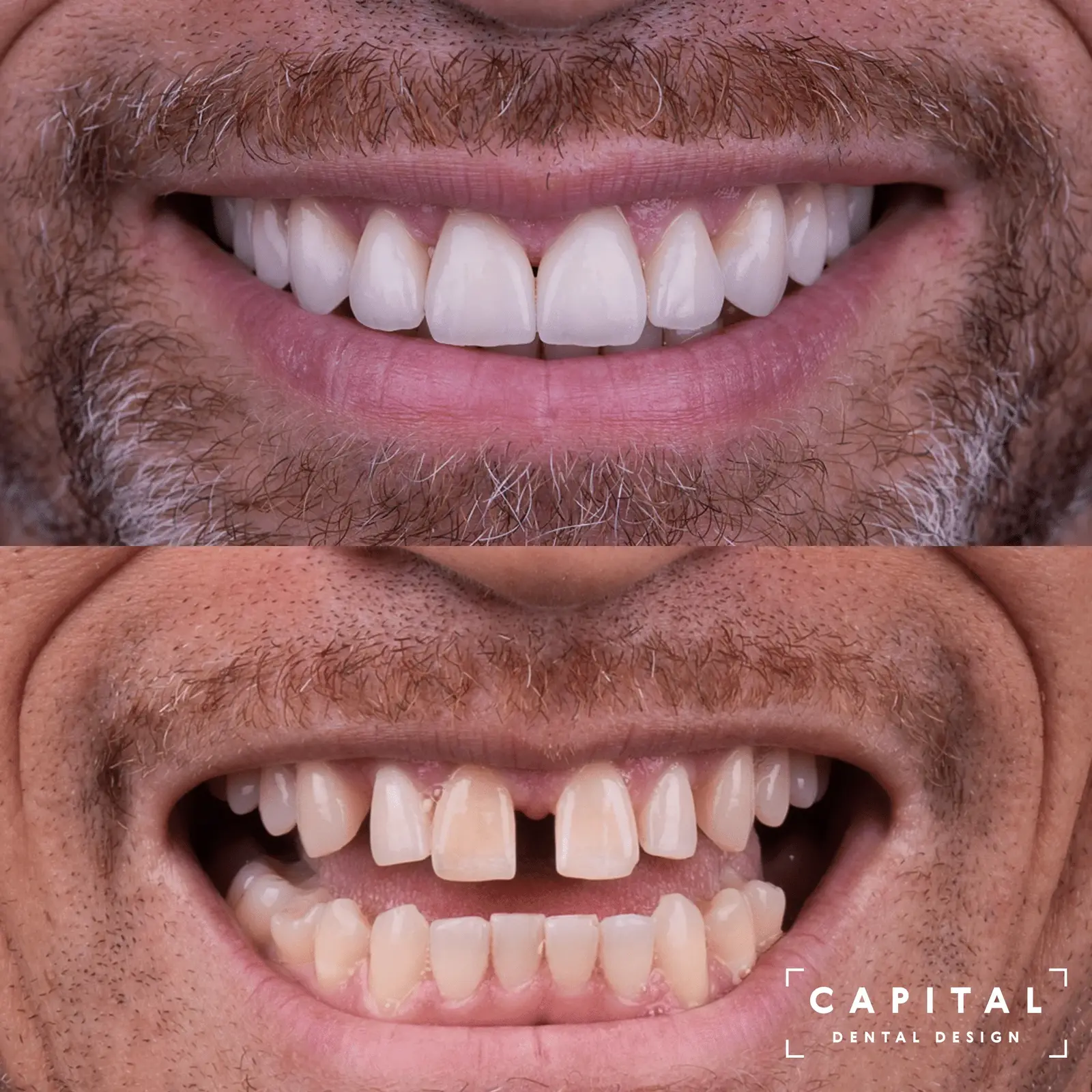
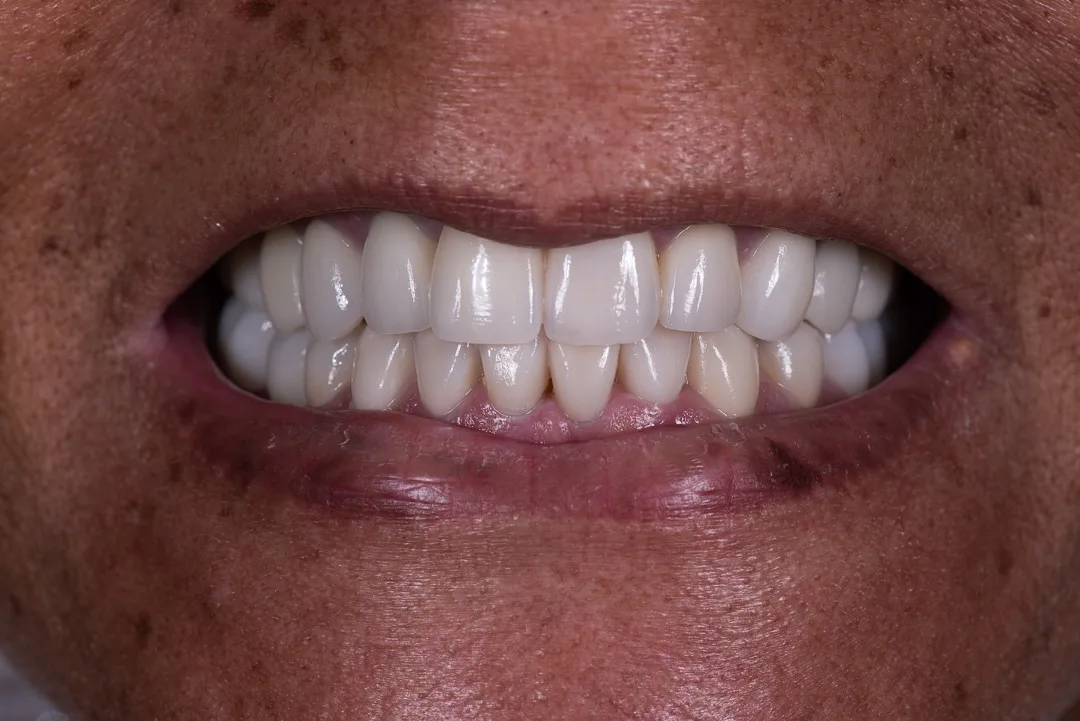

For people with well-managed diabetes, dental implants can be an optimal, beneficial choice for replacing one or more missing teeth, helping the patient maintain the healthy diet necessary for effective control of diabetes and reducing the likelihood of inflammation and infection that can accompany traditional dentures or gum disease. If a person has uncontrolled diabetes, however, dental implants are not recommended. Dental implants may also be riskier for older patients with diabetes, whose ability to fight inflammatory infection may have weakened over time. If you have type one or type two diabetes and are missing one or more of your natural teeth, your dentist and primary care doctor can work with you to determine whether dental implants are a good idea for your dental replacement needs. There are several different factors to consider when deciding whether dental implants will be a safe, reliable option for patients with diabetes.
One of the first considerations is whether the patient has type one or type two diabetes. It can be more challenging to keep type one diabetes under control, which means that there are slightly higher failure risks associated with type 1 diabetes when compared with type two diabetes. Type one diabetics can certainly still be eligible for dental implants in many cases; your dentist will thoroughly review your medical history and your dental records to determine your body’s predisposition to infection and its prospective healing abilities. Older patients who have had diabetes for long periods of their lives may be more prone to slower healing times and increased risk of infection, and in general, dentists recommend getting dental implants earlier than later for patients with diabetes. There is no exact age determinant, however, so it’s worth it to discuss dental implants with your dentist no matter what – it can’t hurt to ask.
Multiple studies have indicated that patients with effectively controlled diabetes face no greater risk of implant failure or complications with dental implants than patients with no diabetes at all. These same studies have shown that patients with unmanaged diabetes have increased rates of infection following implant placement, as well as increased rates of implant failure. The dental implant procedure involves surgery to place implants into the bones of the jaw. These implants are tiny cylinders made of medical-grade material that is chosen for its biocompatibility and its attraction to natural bone. As the bone heals around the implants, it fuses with the implant post; this process is called osseointegration, and it is integral to the success of the dental implants, as it creates a strong, durable support for a dental prosthetic. The gums heal around the implant, too, protecting the implant and supporting the natural-looking dental prosthetic. The process of osseointegration takes a few months in the best of cases; because this is a healing process, in which the bone tissue itself is healing, and because healing processes can take longer for patients with diabetes, osseointegration can take considerably longer, if it occurs at all. Your dentist can work with you on developing a plan to control your diabetes and ensure its continued management, periodically reassessing the health of your oral cavity and your overall health to decide when you might be ready to safely receive dental implants.
[... middle omitted — see footer ...]
When all of these factors are considered and addressed and healthy patients with managed diabetes do get dental implants, the implants can help the patient maintain their health for a lifetime. Doctors recommend that patients with diabetes eat a whole-foods diet, including lots of fresh vegetables, which requires a lot of chewing. It can be a challenge to chew effectively if you’re missing teeth or if your existing teeth or gums are infected, but dental implants make it as easy to chew and enjoy a wide variety of nutritious foods. With the proper care, dental implants remain securely anchored in the bone and supported by the gums, supporting a dental restoration that’s as strong and stable as a healthy natural tooth. If you’ve already tried traditional removable dentures or removable bridges to replace missing teeth, you know that they can move around and rub the gums, making it painful or sometimes even impossible to eat foods that require the teeth to grind, pull, or tear. Unfortunately, these foods are usually the most nutritious, like fibrous vegetables and lean proteins. Instead of dealing with the difficulties caused by eating these foods, many people with removable dental restorations choose to eat a diet of softer foods, like white bread, mashed potatoes, and other refined carbohydrates that are easy to eat – and that make it more challenging to keep the blood sugar at healthy levels.
Showing 3,439 chars (head) + 1,416 chars (tail) of 7,100 total clean characters.
Full text saved to: /root/.hermes/cache/web/capitaldentaldesign.com-a005bf5992.md
To read the omitted middle: read_file path="/root/.hermes/cache/web/capitaldentaldesign.com-a005bf5992.md" offset=8 limit=200 (the file is the complete page; raise/lower offset to page through it).
Related: dental implant failure for smokers • Minimum Age or Age Restriction for Dental Implants
Have questions or ready to schedule? Contact Capital Dental Design today.
Schedule a Consultation