





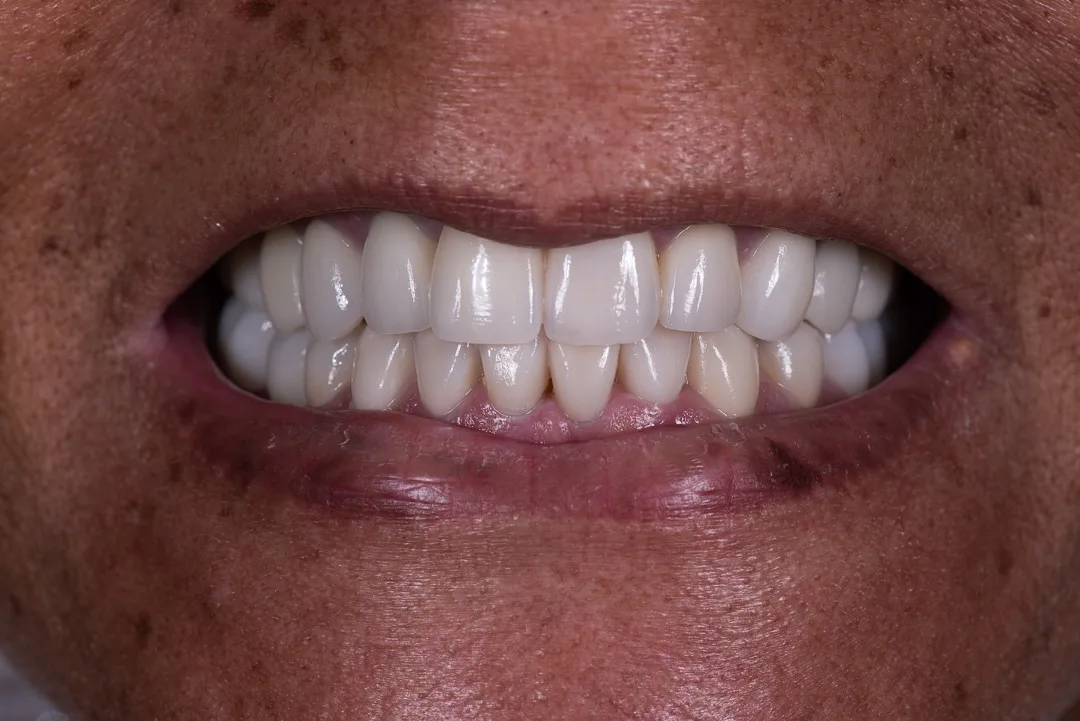

Commonly used to close, or bridge, the gap between missing teeth, dental bridges are a time-tested long-term solution for replacing lost teeth. When evaluating treatment options for closing gaps in their smile, patients are likely curious about the cost of the various solutions available. This article will focus on dental bridges and the various factors that influence the cost of treatment.
Dental Bridge Overview
The components of a dental bridge include a false tooth (called a pontic) held between crowns anchored to the adjacent teeth on either side of the gap (abutment teeth). Bridges can be supported by the patient’s natural teeth or by dental implants. Pontics can be created from porcelain, alloys, gold, or a combination of materials.
Dental bridges come in four main types:
* Traditional: The most common form of dental bridge and involves a pontic supported between crowns or implants placed on either side of the lost tooth. Traditional bridges are made of ceramics or porcelain fused to metal and require natural teeth on both sides of the missing tooth gap.
* Cantilever: Unlike traditional bridges that require multiple teeth around a gap, a cantilever dental bridge pontic is only cemented to one abutment tooth.
* Maryland: Involves multiple teeth like a traditional bridge but uses a framework of porcelain or metal bonded to abutment teeth rather than dental crowns.
* Implant-Supported: Rather than frameworks or crowns, implant-supported bridges rely on dental implants that are surgically embedded into the jawbone to hold them in place. Generally, one implant is required for each lost tooth to hold a bridge in place.
Typical Cost of Dental Bridges
The price of a dental bridge is influenced by several variables including:
* Number of teeth involved to close the gap: The greater the number of teeth, the more the procedure will cost.
* Material used: Advanced materials, like zirconia or porcelain, are more expensive than other bridge materials.
* Fabrication process: Dental bridges are typically created in dental labs but some dentists make them in-house which is generally more expensive because of the advanced digital technology required.
* Difficulty or complexity of the case: Should a procedure be more complex or lengthy, the patient will incur more expense. For example, if surgery is required, as is the case with implant-supported bridges, cost will be higher.
* The need for additional procedures: If the patient has other underlying oral issues, like gum disease or tooth decay, additional procedures could be needed to treat the issues prior to placing the dental bridge.
* Location and experience of the dentist: Dentists known for their expertise and results will likely charge higher rates than less experienced practitioners. And like most things, dental care costs vary in different parts of the country.
The type of bridge used also influences the cost to the patient:
* Traditional or Cantilever Bridges: Cost typically ranges between $2,000 to $5,000 for a single pontic and each abutment tooth crown.
* Maryland Bridges: A pontic with the framework attached to abutment teeth generally cost between $1,500 to $2,500.
* Implant-supported Bridges: Cost for a bridge spanning three to four teeth supported by two dental implants range between $5,000 to $15,000.
Related: How Long Does a Dental Bridge Last
Have questions or ready to schedule? Contact Capital Dental Design today.
Schedule a Consultation