





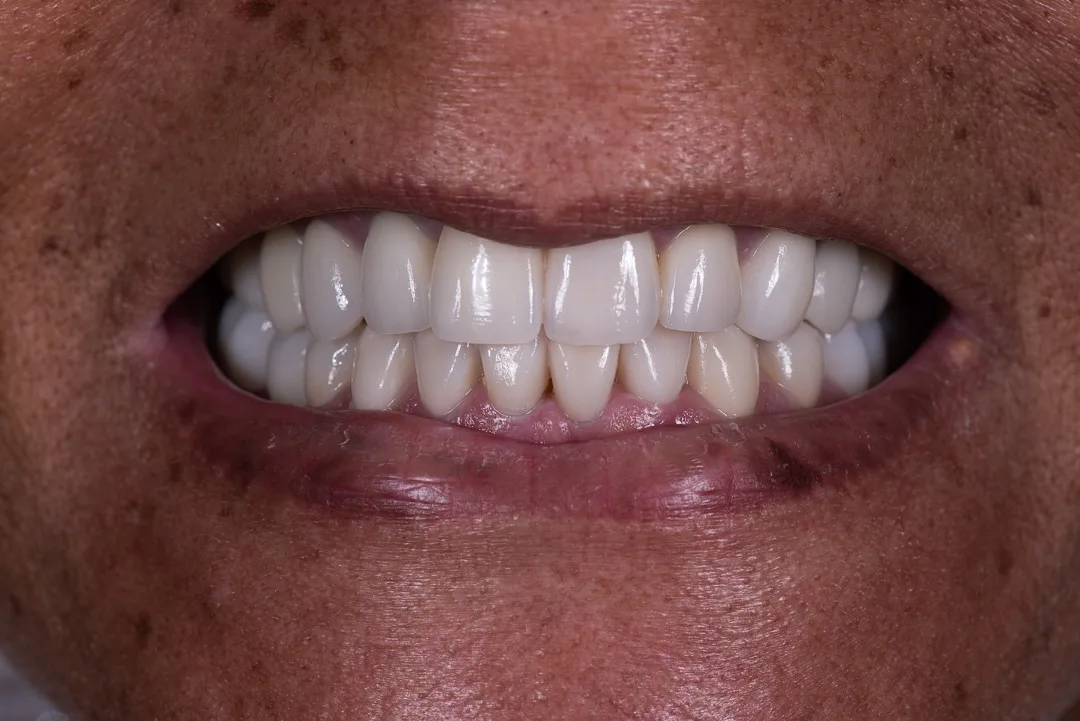

Gum disease, including gingivitis and periodontitis, is an inflammation and infection of the gums that, if left untreated, can lead to tooth loss. Identifying early signs and seeking appropriate treatment is crucial to maintaining oral health.
Identifying Gum Diseases
Signs of Gingivitis
Gingivitis is the initial and reversible form of gum disease. It is caused by the buildup of plaque on the gums. The main signs of gingivitis include:
- Red and Swollen Gums: Gums that appear redder and more swollen than normal.
- Easy Bleeding: Gums that bleed easily while brushing or flossing.
- Bad Breath: Persistently unpleasant breath, even after brushing.
Signs of Periodontitis
If left untreated, gingivitis can progress to periodontitis, a more serious condition that affects the supporting tissues of the teeth. Signs of periodontitis include:
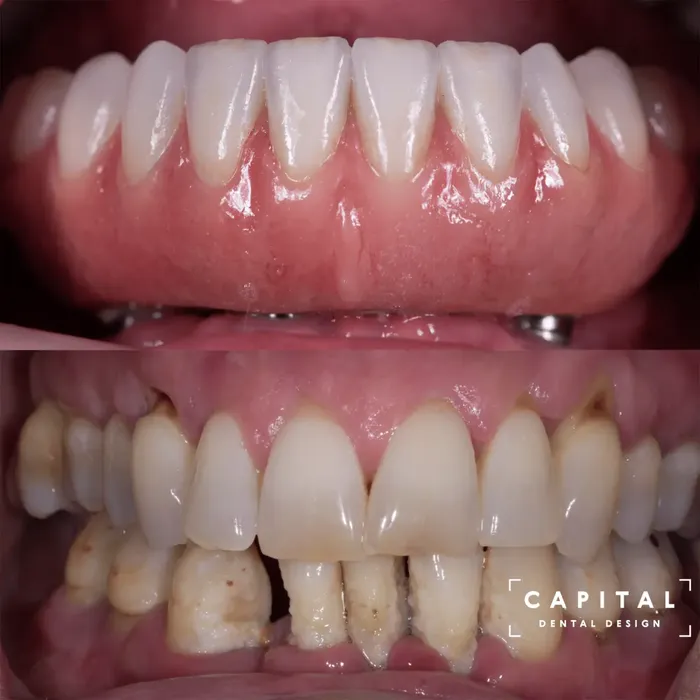
- Receding Gums: Gums that pull away from the teeth, making the teeth appear longer.
- Pocket Formation: Deep pockets between the teeth and gums.
- Bone Loss: Loss of bone around the teeth, detectable by x-rays.
- Loose Teeth: Teeth that move or appear loose.
- Persistent Bad Breath: Continuous bad breath despite good oral hygiene.
Pain and Sensitivity
Pain or tenderness in your gums can also be a sign of gum disease. Sensitivity to touch, brushing, or hot or cold foods and drinks can indicate gum problems.
Treatment of Gum Diseases
Proper Oral Hygiene
Maintaining good oral hygiene is essential to treating and preventing gum disease. This includes:
- Brushing: Brush your teeth at least twice a day with a soft-bristled toothbrush and fluoride toothpaste.
- Flossing: Floss daily to remove plaque between your teeth and below the gum line.
- Mouthwash: Use an antimicrobial mouthwash to reduce bacteria in your mouth.
Professional Dental Cleaning
Visiting your dentist regularly for professional cleanings is essential. Your dentist can remove plaque and tartar buildup that cannot be removed by brushing and flossing alone.
Scaling and Root Planing
For more advanced cases of periodontitis, your dentist may recommend a scaling and root planing procedure. This treatment involves:
- Scaling: Removal of tartar and plaque from the pockets around the teeth.
- Root Planing: Smoothing the roots of the teeth to help the gums reattach to the teeth.
Antibiotics
In some cases, your dentist may prescribe antibiotics to help control the bacterial infection. These may include:
- Antibiotic Gels: Applied directly to periodontal pockets.
- Oral Antibiotics: Oral medications to treat more severe infections.
Gum Surgery
For severe cases of periodontitis, gum surgery may be necessary. Types of surgery include:
- Flap Surgery: Removal of tartar from deep pockets and repositioning of the gums.
- Bone Grafts: Regeneration of lost bone using bone grafts.
- Gum Grafts: Restoration of lost gum tissue using tissue grafts.
Important Considerations
Cause Identification
Identifying the underlying cause of gum disease is crucial to choosing the right treatment. Factors such as poor oral hygiene, smoking, genetics, diabetes, and certain medications can all contribute to the development of gum disease.
Dentist Appointment
See your dentist for a thorough evaluation and to discuss the best treatment options for your condition. Your dentist may perform physical exams and take X-rays to determine the extent of the disease.
Regular Maintenance
Continue to maintain good oral hygiene and follow your dentist’s recommendations to prevent gum disease from recurring. Regular dental visits are essential to monitor gum health and prevent future problems.
At our clinic, all types of gum disease can be treated. Schedule an appointment with us to find out more!
Related: What Are Gum Disease Symptoms?
Have questions or ready to schedule? Contact Capital Dental Design today.
Schedule a Consultation