





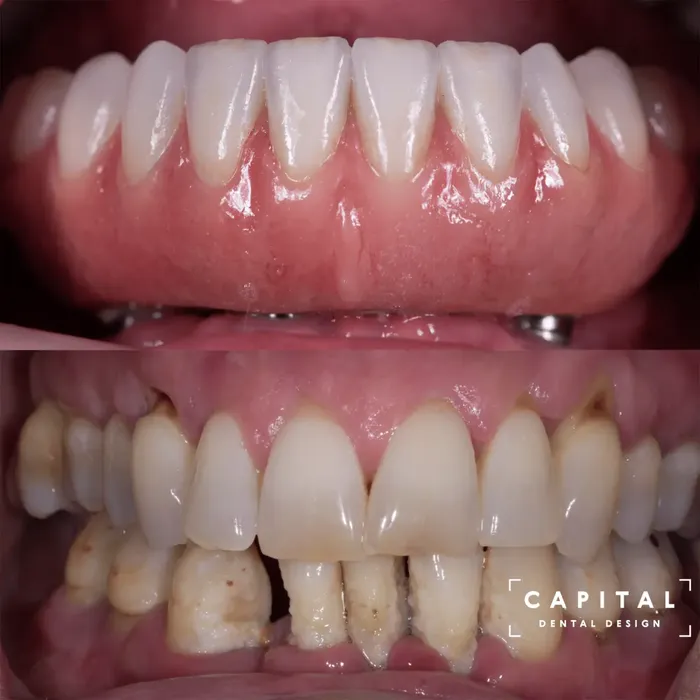


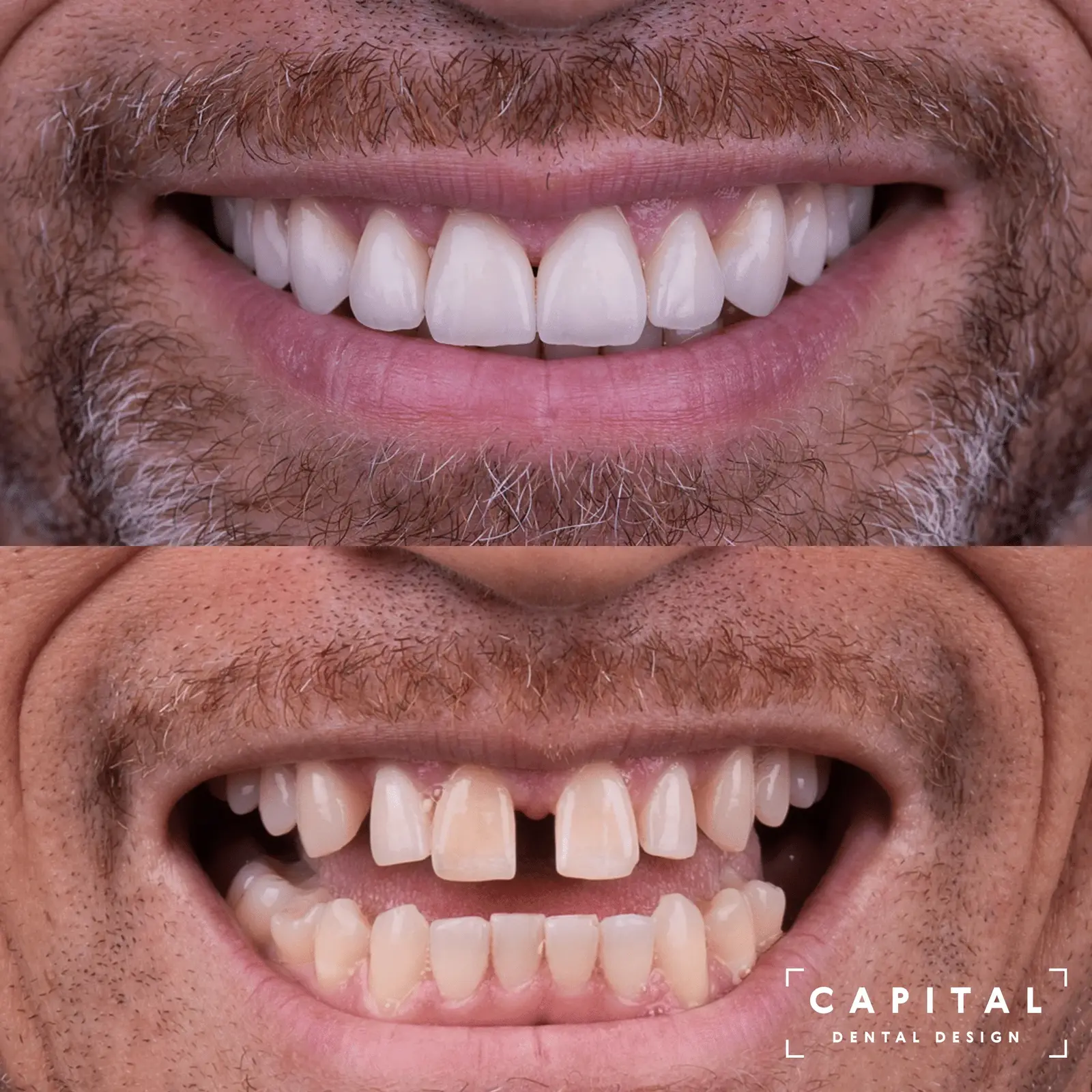
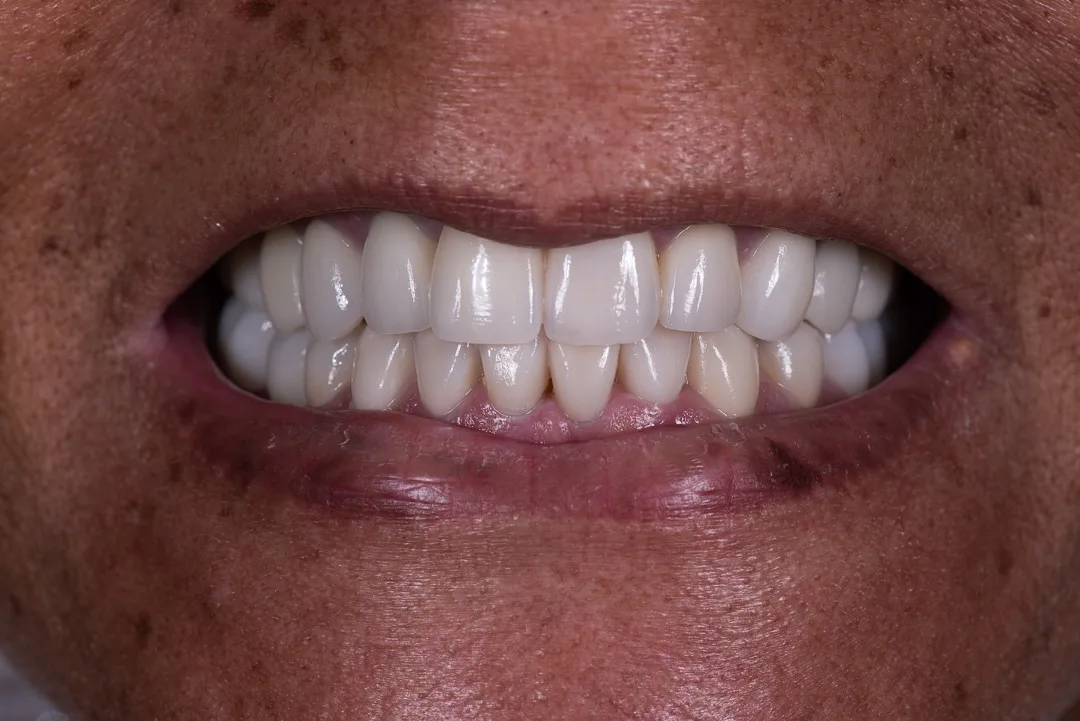

Inflamed gums are one of the most common problems that affect people of all ages around the world. Fortunately, we can treat and prevent inflammation with simple care and healthy habits.
Treatment must be quick and accurate because the problem tends to evolve and can become dangerous to health. This is because, in more serious cases, this condition triggers periodontitis. In addition to being very painful, periodontitis can even affect vital organs, such as the heart.
It is very important to be aware of the signs of gum disease, as this can be the beginning of other, more serious health problems. The first warning signs are usually inflamed and bleeding gums (also known as gingivitis).
What is gingivitis?
Gingivitis, a condition caused by the accumulation of bacterial plaque (or biofilm), a thin layer composed of food residue, desquamated cells, and bacteria that adhere to the teeth. The presence of plaque in the mouth can cause major health problems for a person due to the presence of bacteria. The bacteria feed on waste and release acids that cause the body to respond with gum inflammation, and these microorganisms also migrate to other organs through the bloodstream.
What causes gingivitis?
Many different factors can cause this problem, including:
- Bad oral care habits
- Orthodontic treatments
- Systemic diseases such as Diabetes, Cancer, etc.
- Some drugs (for hypertension, chemotherapy, etc.)
What are the symptoms?
Inflamed gums begin to trigger symptoms as soon as they appear. These symptoms become more intense and uncomfortable as the disease progresses. Initially, the most common symptoms are:
- swollen or red gums, especially near the edges of the teeth;
- spontaneous bleeding;
- discomfort when brushing, flossing, or eating more consistent foods;
- high tooth and gum sensitivity.
As the disease progresses, you may begin to show:
- gum recession (when the gums move away from the teeth).
In addition to causing increased sensitivity due to root exposure, this last symptom affects the appearance of the teeth.
How can I prevent gingivitis?
The most effective way to prevent gingivitis and other gum problems is to follow a daily oral care routine and schedule appointments with your dentist at least twice a year. This means brushing your teeth twice a day and cleaning the spaces between your teeth. With daily oral hygiene care, regular check-ups, and the use of the most appropriate products, you are on the right path to healthier teeth and gums – and a healthier life.
Swollen, inflamed, or bleeding gums: what to do?
If you have identified symptoms of inflamed gums, such as redness, swelling, bleeding, and even pain in the area, it is essential to see a dentist as soon as possible. Only a specialized professional can correctly diagnose your problem.
In the office, the dentist will perform clinical examinations and analyze the appearance of your gums, looking for signs that characterize inflammation. In addition, the professional will identify possible causes for the problem with you. Based on the diagnosis, the best form of treatment for your condition will be recommended.
It is important to emphasize that gum inflammation is a problem that cannot be ignored, as it can worsen over time and compromise the entire set of teeth. Therefore, do not delay your appointment- contact us today!
Related: How Do I Cure Gum Disease?
Have questions or ready to schedule? Contact Capital Dental Design today.
Schedule a Consultation