





Dental Implants Metal Allergy
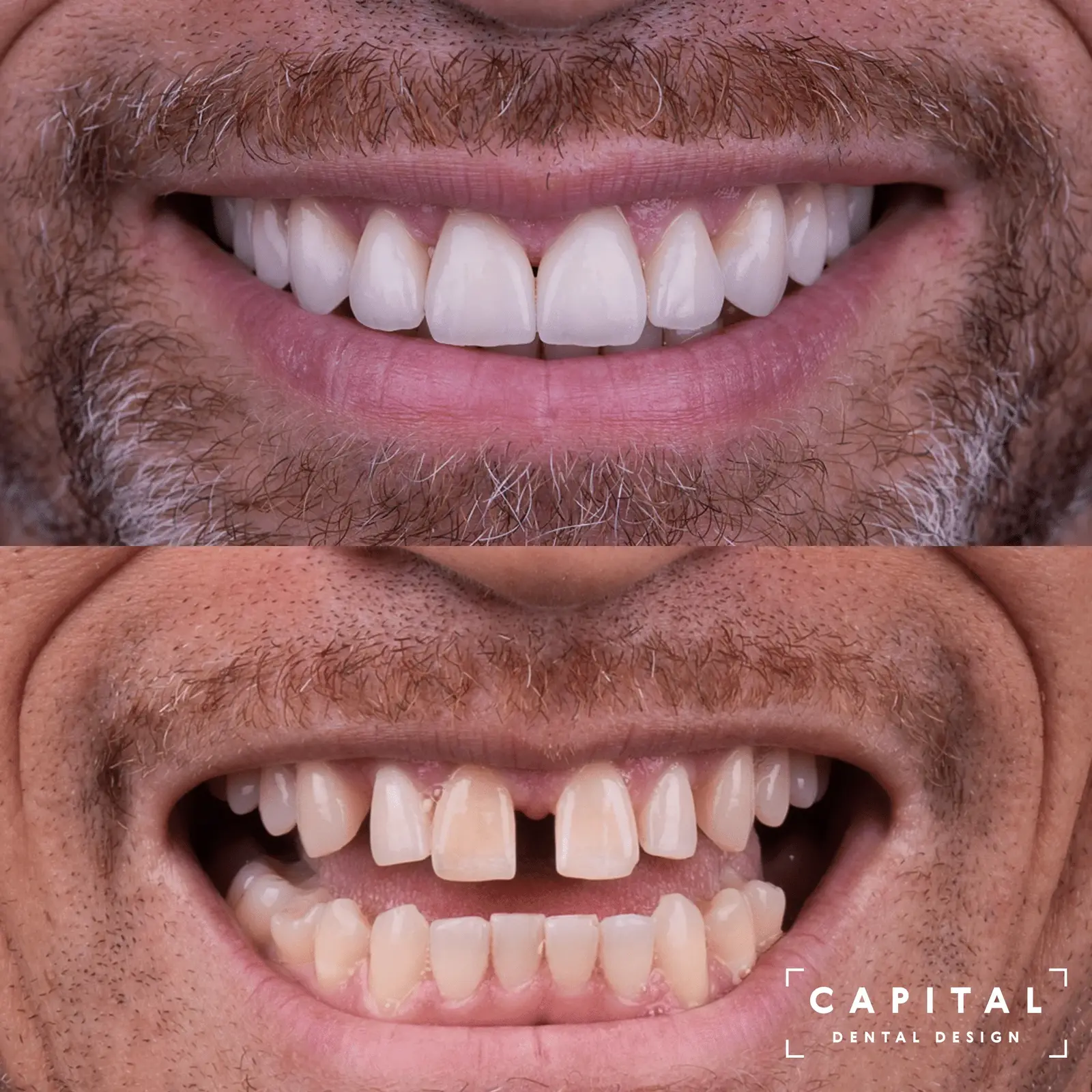
There are a number of dental restorations available to patients who need to replace missing teeth. One of the best options is with dental implants! Implants are most commonly made from pure titanium or titanium alloy, which is a compound of two or more metals. Both are highly biocompatible and encourage bone regeneration, allowing for optimal osseointegration (fusion to the bone) between implant and jaw bone.
A dental implant is the closest to a natural tooth in modern dentistry because an implant replaces the entire structure of a tooth, including the root. The implant itself is essentially an artificial tooth root which is hugely beneficial in supporting bone health. The roots of our teeth regularly stimulate bone regeneration to prevent the deterioration of the jaw bone. Without some form of stimulation, natural (tooth) or artificial (implant), bone deterioration can lead to poorly fitting dental prosthesis, the loss of more teeth, and even changes in facial structure.
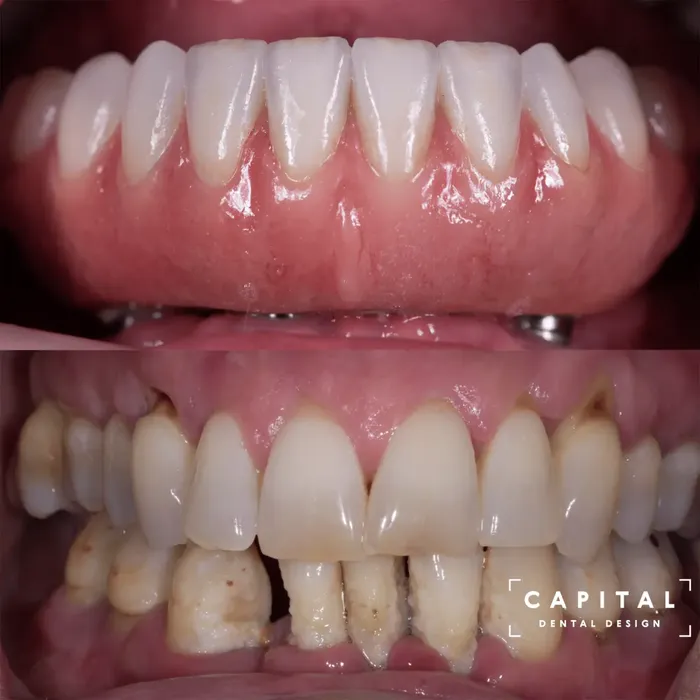
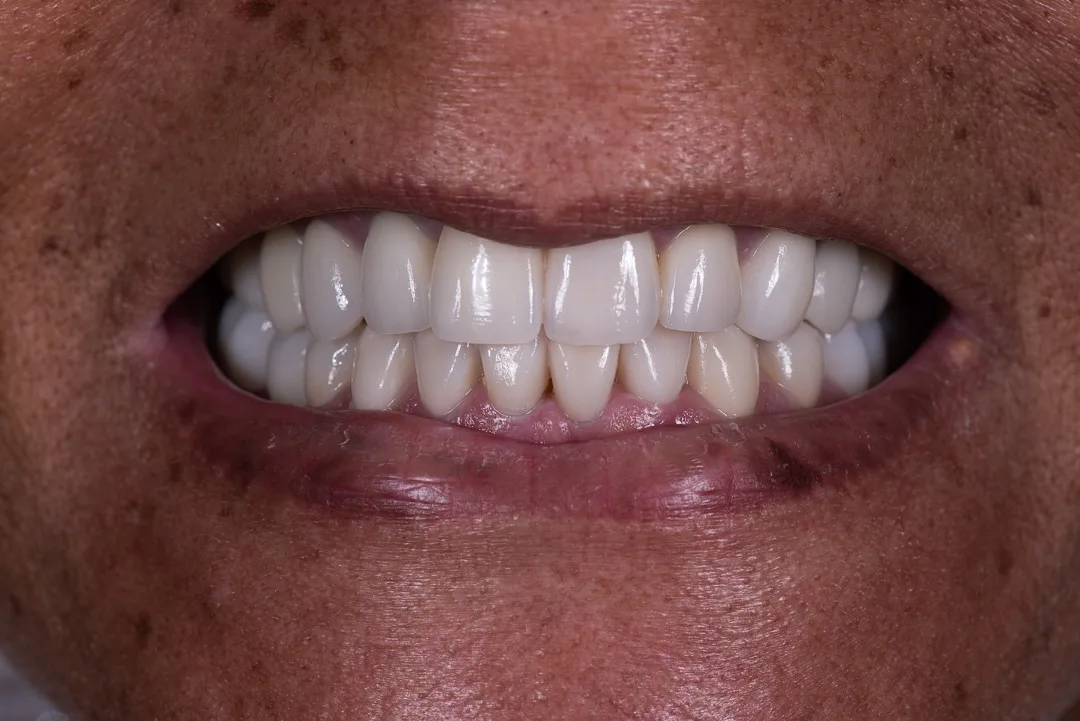
On a dental implant, the portion of a tooth that is visible above the gum line is affixed onto the implant with either a screw or cement. The artificial tooth is usually made of porcelain and will not cause any allergies in the patient.
An allergy is the body's immune system overreacting to a foreign substance. An allergy can be as inconsequential as a minor rash or as life-threatening as organ systems shutting down. An allergy to titanium is extremely rare, occurring in only about 0.6% of the population so patients that suffer from metal allergies may think that they are not a candidate for dental implants but fortunately, advances in dental technology have afforded an opportunity for patients to receive the best dental care available.
Titanium has a unique ability to permanently bond with natural bone structure. This biocompatibility was discovered in the 1950s and first used to create a dental implant in the 1960s. With proper care and maintenance, an implant will become a natural part of your mouth which is why titanium is the preferred material for most dental implants. Titanium is widely used in both medical (i.e. joint replacements) and dental applications because of that special affinity with bone. Bone cells generate and attach to the metal, strengthening the bond between the implant in the jaw bone, creating a stable foundation for dental implant support.
Metal Allergies and Dental Implants
Generally, metal allergies are specific to particular metals like nickel. About 17% of women and 3% of men are allergic to nickel while even smaller percentages are allergic to cobalt or chromium. The most common allergic reaction to metals occurs from external contact on the skin with jewelry, clothing clasps or other items such as belt buckles. These present as a rash or other anomaly on the skin.
An allergy to metal in a body part replacement could result in the body rejecting the part altogether, at which
Related: Dental Implants Existing Partial
Have questions or ready to schedule? Contact Capital Dental Design today.
Schedule a Consultation