





Partial vs Full Coverage Crowns
It is important for your dentist to evaluate the condition of your damaged tooth and consider several factors when deciding whether a full coverage crown or a partial coverage, inlay and onlay, is your best solution. Each restoration has its own benefits and indications. The choice will depend on your specific clinical situation.
Tooth Damage Extent
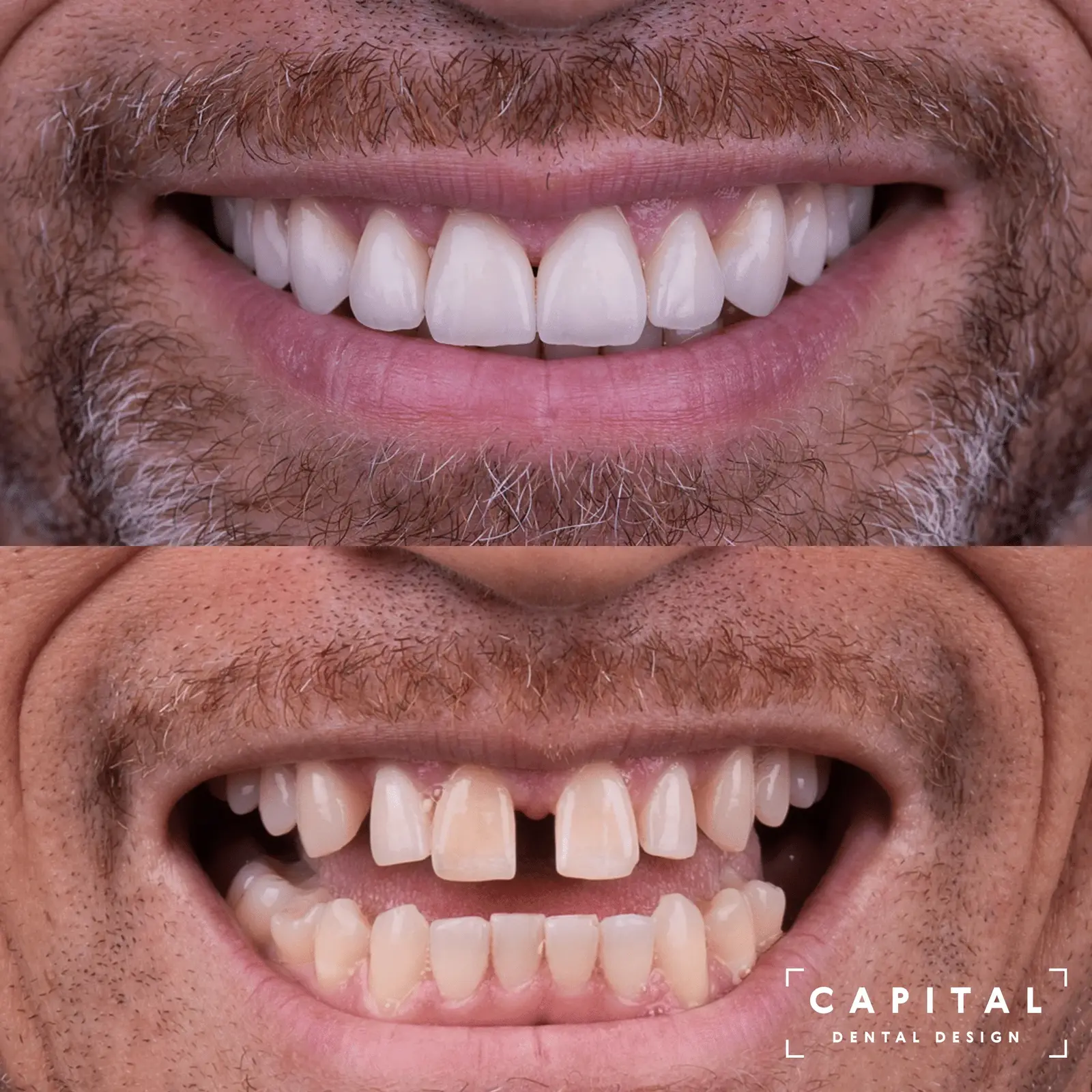
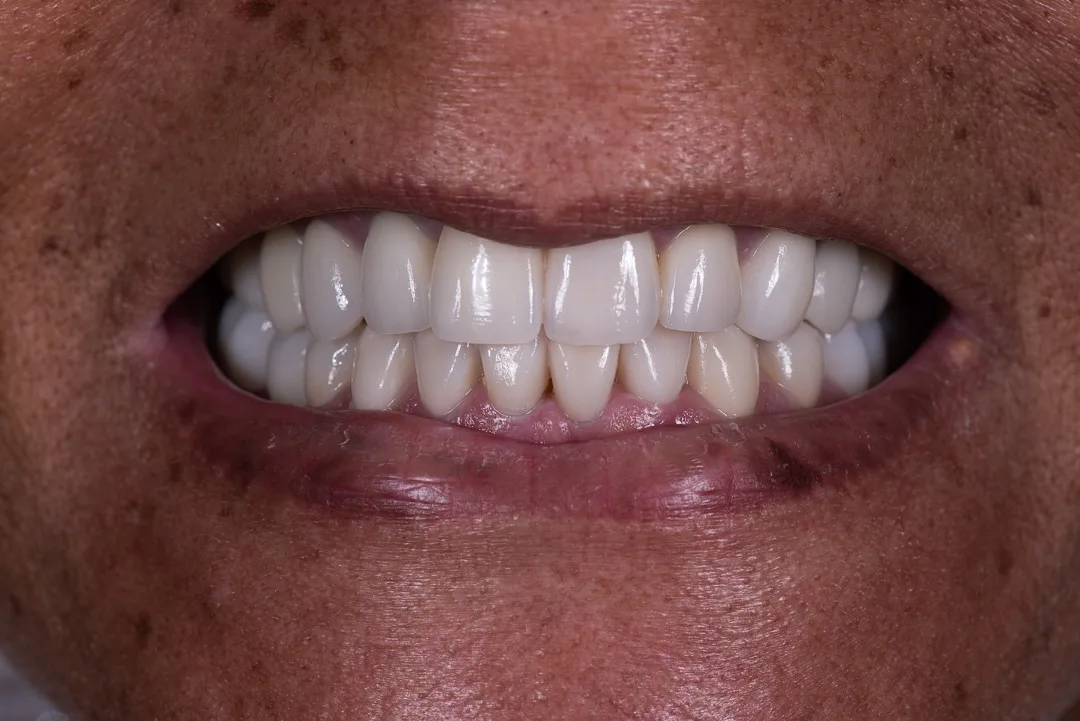
The amount of your tooth damage is a crucial factor in determining the appropriate restoration. A full coverage crown is used when a significant part of the tooth is damaged or compromised, like in cases of extensive decay, fractures, or large fillings. The full coverage crown covers the entire visible part of the tooth above the gumline, providing both maximum protection and support to the weakened structure of the tooth. In comparision, inlays and onlays are used for more conservative solutions when the damage is limited to only a smaller portion of the tooth. Inlays are placed within the grooves of the surface of the tooth, while onlays extend up and over one or more cusps of the tooth.
Preservation of Tooth Structure
Preserving as much any natural tooth structure as possible is the fundamental principle in the field of dentistry. In some situations, a partial coverage restoration like an inlay or onlay might be preferred over a tooth because they require minimal reduction of the healthy tooth structure. With a full coverage crown, the damaged tooth needs to be reduced in size to accommodate the thickness of the restoration, which includes more aggressive enamel removal. Inlays and onlays, which are more conservative, provide a better preservation of the tooth's natural integrity.
Strength and Durability
Crowns provide greater strength and durability compared to inlays and onlays. Since crowns fully encase the tooth, they provide excellent support and protection, making them suitable for heavily damaged or weakened teeth. Inlays and onlays are more suitable for moderately damaged teeth, as they provide a good balance between strength and preservation of tooth structure.
Aesthetic Considerations
For teeth in the aesthetic zone, your front teeth which are visible when you are smiling, the decision between a full coverage crown and an inlay or onlay may be influenced by the desired cosmetic objective. Full coverage crowns can be fabricated from various materials, including all-ceramic options that will closely match your natural tooth color, which will provide excellent aesthetics. Advancements in dental technology have also made it possible to create aesthetically pleasing inlays and onlays that will blend with your natural tooth color.
Tooth Function
The functionality of the weakened tooth is essential when choosing either a full coverage crown or an inlay or onlay. If the tooth is subjected to significant chewing forces or is included in supporting a dental bridge, a crown might be the preferred choice
Related: Indication for Full Coverage Crowns
Have questions or ready to schedule? Contact Capital Dental Design today.
Schedule a Consultation