





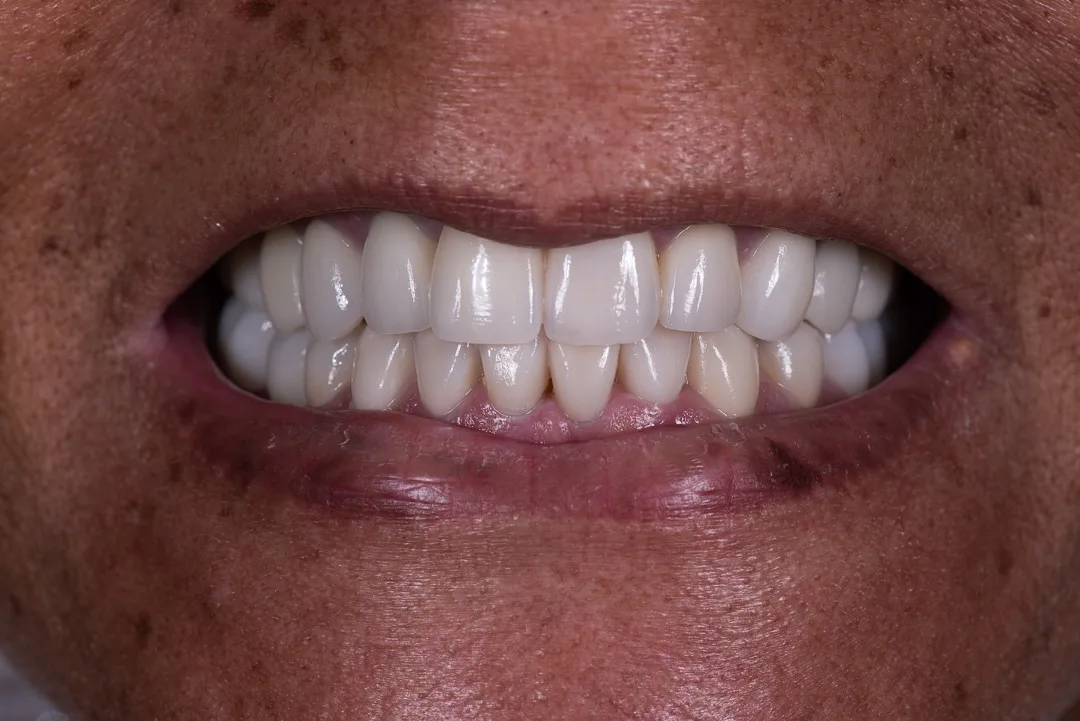

When It’s More Than Just Morning Breath
Most of the time, halitosis starts in the mouth. Plaque buildup, gum disease, and untreated cavities are often behind the primary causes of it. Bacteria thrive on food particles left between teeth or on the tongue. As they break things down, they release sulfur-like gases that result in a smell.
Medical Conditions That May Be Linked
Persistent bad breath can sometimes reflect more serious systemic issues. For example, people with diabetes are more prone to gum infections, and in some cases, their breath may carry a fruity or acetone-like odor due to ketone buildup.
When to See a Professional
If you’ve tried everything and your breath still doesn’t improve, don’t ignore it. Your dentist is a good first stop. A full exam can uncover hidden issues like gum disease or infections. If your oral health checks out, a visit to your primary care provider may reveal other contributing factors.
The Takeaway
While bad breath often starts with what’s going on in your mouth, it doesn’t always end there. Sometimes, it’s your body’s way of nudging you to look deeper. Whether it’s a dental concern or a sign of something more, paying attention can make all the difference. Your breath might be trying to tell you something.
What Causes Bad Breath Even After Brushing?
[](https://www.facebook.com/capdental/) [](https://www.instagram.com/capdental/) [](https://www.linkedin.com/company/capital-dental-design/?originalSubdomain=in) [](https://www.youtube.com/channel/UC5UKFLdJXyD5mwsPYqe0hdQ)
Related: What Causes Bad Breath Even After Brushing?
Have questions or ready to schedule? Contact Capital Dental Design today.
Schedule a Consultation