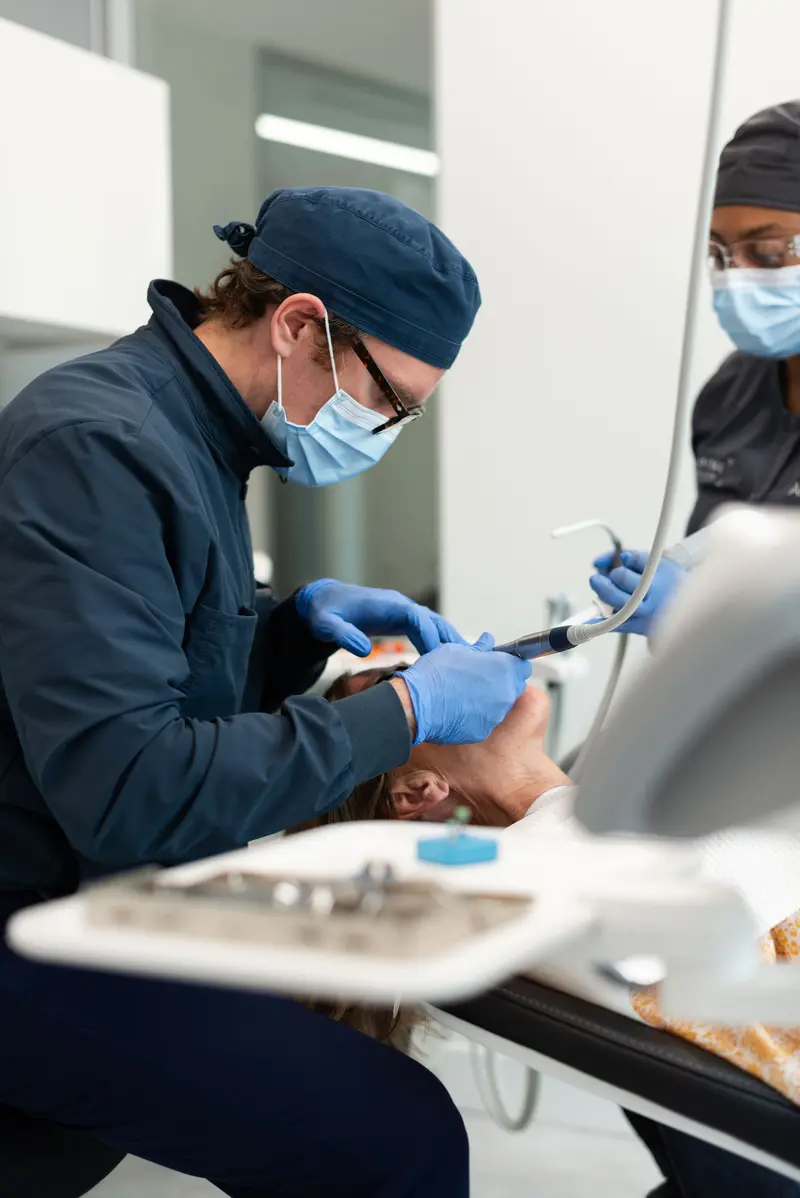







A surgical tooth extraction, common for impacted wisdom teeth or damaged molars, comes with a unique healing timeline. Unlike a simple extraction, this process involves altering gum tissue and sometimes bone, so patience and care make a meaningful difference.
Healing happens in layers, with each stage requiring its own attention and expectations. By the second week, many people feel close to normal. By six weeks, most surgical extraction sites are structurally stable, especially for less complicated cases. Internal healing may take longer, but the return of comfort, function, and peace of mind makes the process worthwhile.
Immediate Recovery
Once the anesthesia subsides, usually a few hours after the procedure, you may feel a dull ache or mild soreness at the extraction site. Swelling often peaks between 48 and 72 hours, which is a natural response that can be managed with gentle icing and resting with your head elevated.
During this early phase, a blood clot forms over the socket. It is important to protect that clot, as it shields the area and helps prevent a painful complication known as dry socket, which is more likely to develop in the first week.
The First Two Weeks: Soft Tissue Knits Back
Within one to two weeks, the gum tissue starts filling in and covering the extraction site. You may notice a white or yellow layer of granulation tissue forming, which is a normal and helpful part of deeper healing.
By the end of the second week, most of the visible wound has closed. Stitches, if used, will either dissolve on their own or be removed by your dentist. With proper care, the gums tend to feel stable enough at this point for most daily activities.
Weeks Three Through Six: Bone and Underlying Healing
At this point, beneath the surface of your soft tissue, the jawbone is gradually filling in the space where the tooth once was. Surgical extractions that require bone removal or more complex procedures may take about six weeks for the socket to begin closing completely. Any indentation may be filled by bone graft material or left to remodel naturally, and swelling should be nearly resolved.
Months Later: The Ripple Effect of Aftercare
Complete healing is not always visible from the outside. Bone remodeling and internal maturation can continue for several months, sometimes up to six months after dental surgery. This deeper phase of healing prepares the site for possible future dental work, such as implants or bridges.
Healing time can vary from person to person. Age, overall health, smoking habits, pre-existing infection, and the complexity of the extraction all affect recovery. A straightforward surgical extraction of a single wisdom tooth may follow the standard timeline, while more involved cases or patients with certain health issues might experience slower progress.
Following post-operative instructions is a crucial part of recovery. Avoid using straws, refrain from smoking, rinse gently, and take any prescribed pain medication or antibiotics as directed. Stick to soft foods during the first days, then gradually return to your normal diet as comfort allows. Attending follow-up appointments helps ensure proper healing.
Related: Surgical Extraction and Anesthesia
Have questions or ready to schedule? Contact Capital Dental Design today.
Schedule a Consultation