





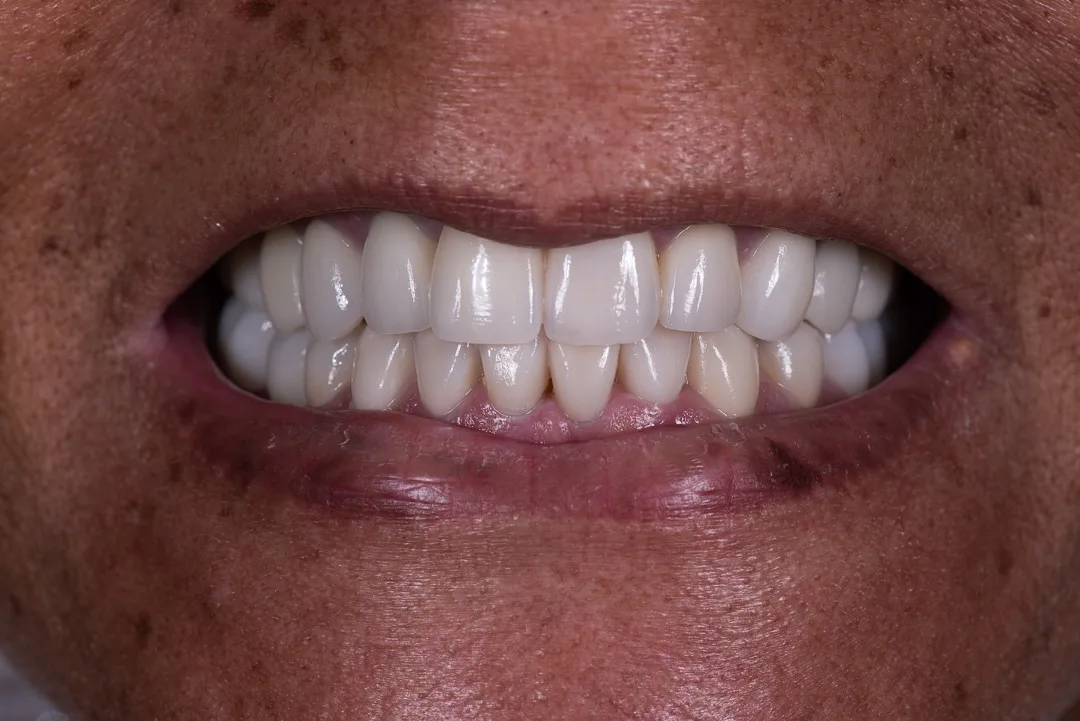

Exposed Tooth Roots
It is important to contact your dentist right away when you experience any changes or abnormalities to your gums. Changes or irregularities in the gums may indicate that periodontal or gum disease is present. The two forms of gum disease are gingivitis and periodontitis. These oral infections can range in their severity and cause serious oral health issues. In severe cases, gum disease can cause damage to the bone structure and even tooth loss.
Untreated periodontal disease can result in long-term complications. When a dental infection is present, it will typically progress and become worse over time until there is intervention and treatment. In order to lower the risk for serious issues, it is important to identify and treat the issue as soon as possible.
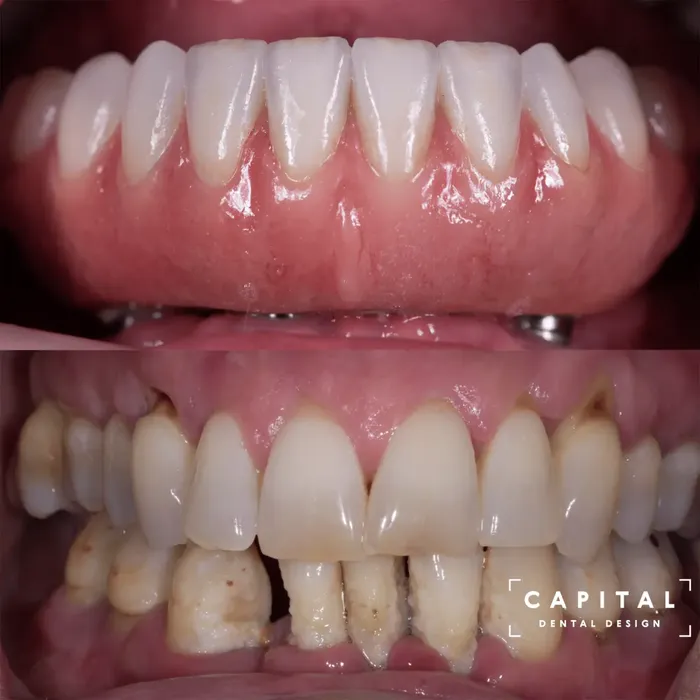
When patients have gum disease, a common symptom is gum recession. This can result in the tooth’s roots becoming exposed. Additional information regarding exposed tooth roots and how to fix the issue is summarized below.
Signs of Exposed Tooth Roots
In a healthy mouth, the gums should be a maximum of 3 mm away from the tooth. In cases where gum disease is present, the gums may detach from the teeth and create large periodontal pockets. As the gums recede and separate from the teeth, the sensitive and fragile roots can become exposed.
Early signs of gum disease include irritation and inflammation of the gum tissue. Patients may also notice that their gums bleed when brushing or flossing the teeth. This inflammation can result in the gums pulling away from the teeth and exposing the roots. The roots should be protected by the gums and supporting bone. Exposure of the roots increases the risk of oral health issues, including infection, decay, and damage to the tooth.
Symptoms
Below is a summary of symptoms associated with exposed tooth roots.
1. Sensitivity: This is a common sign that the roots are exposed. This may be triggered by exposure to hot or cold food and beverages.
2. Bleeding: Bleeding from brushing or flossing is a common sign of exposed roots.
3. Bad Breath: Infected gum tissue and an overgrowth of bacteria often result in a foul odor.
4. Alignment: When patients notice their teeth start to shift or become misaligned, it may indicate that the roots are exposed. Overcrowded teeth or teeth that have significantly shifted can also result in root exposure.
Treatment
The treatment for exposed roots may vary depending on the severity of the issue. The dental professional may recommend one of the following solutions to fix exposed tooth roots:
1. Professional cleaning: This may be an adequate treatment when the gums have receded, but the root is still covered. A professional cleaning effectively removes plaque and tartar from the teeth.
2. Root canal: When the tooth’s root is exposed, a root canal may be required to preserve the tooth.
3. Gum graft: A gum graft is often the recommended treatment in cases where the gums have significant recession and root exposure.
4. Extraction: When the damage is severe and the tooth cannot be preserved, the dentist may have to extract the tooth. Dental implants are an excellent tooth-replacement solution in this case.
It is critical to practice good oral hygiene in order to keep the teeth and gums healthy. This includes at least twice daily brushing and daily flossing. Patients should also make regular visits to the dentist for an examination and professional cleaning.
Call the office today if you are concerned about the potential exposure of your tooth’s roots. Our team can examine your mouth to determine the cause of the issue. We will work with you to fix your exposed roots and help restore your beautiful smile.
Related Article: Are Exposed Tooth Roots Common?
Have questions or ready to schedule? Contact Capital Dental Design today.
Schedule a Consultation