



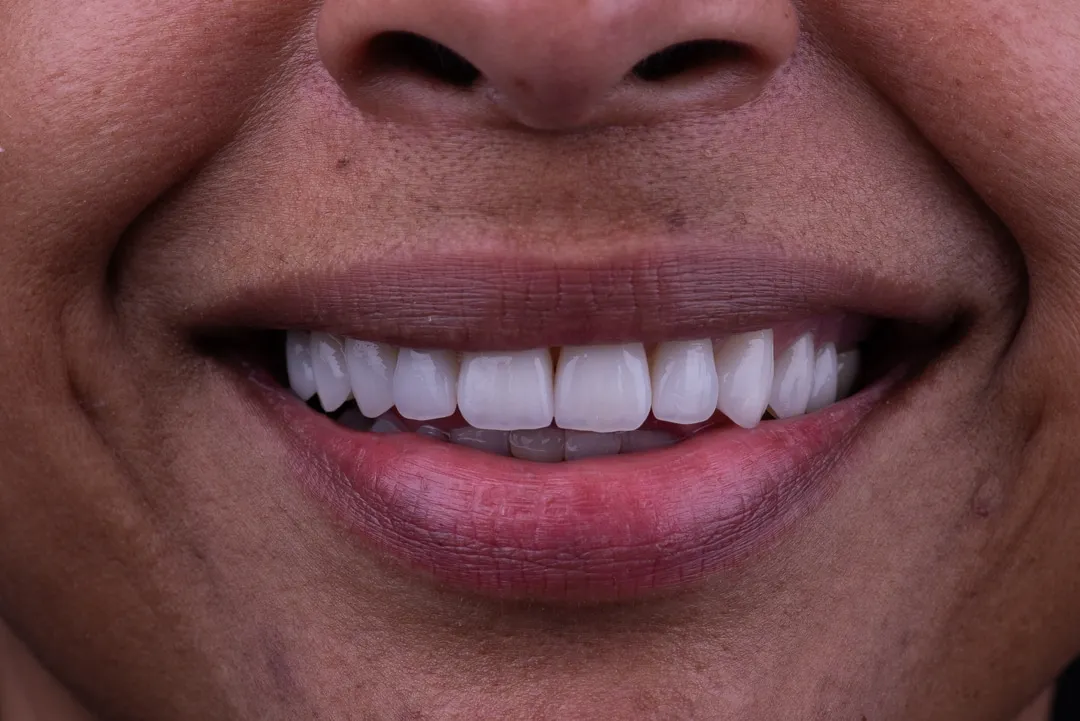
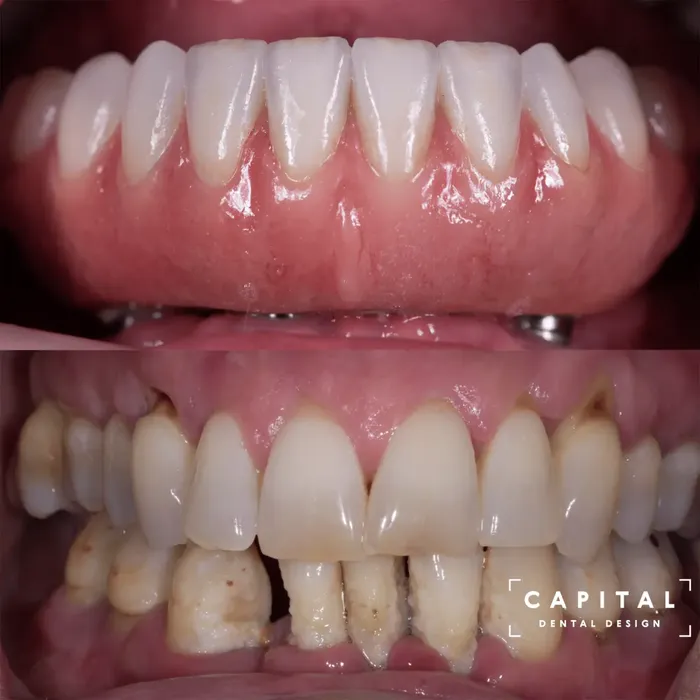

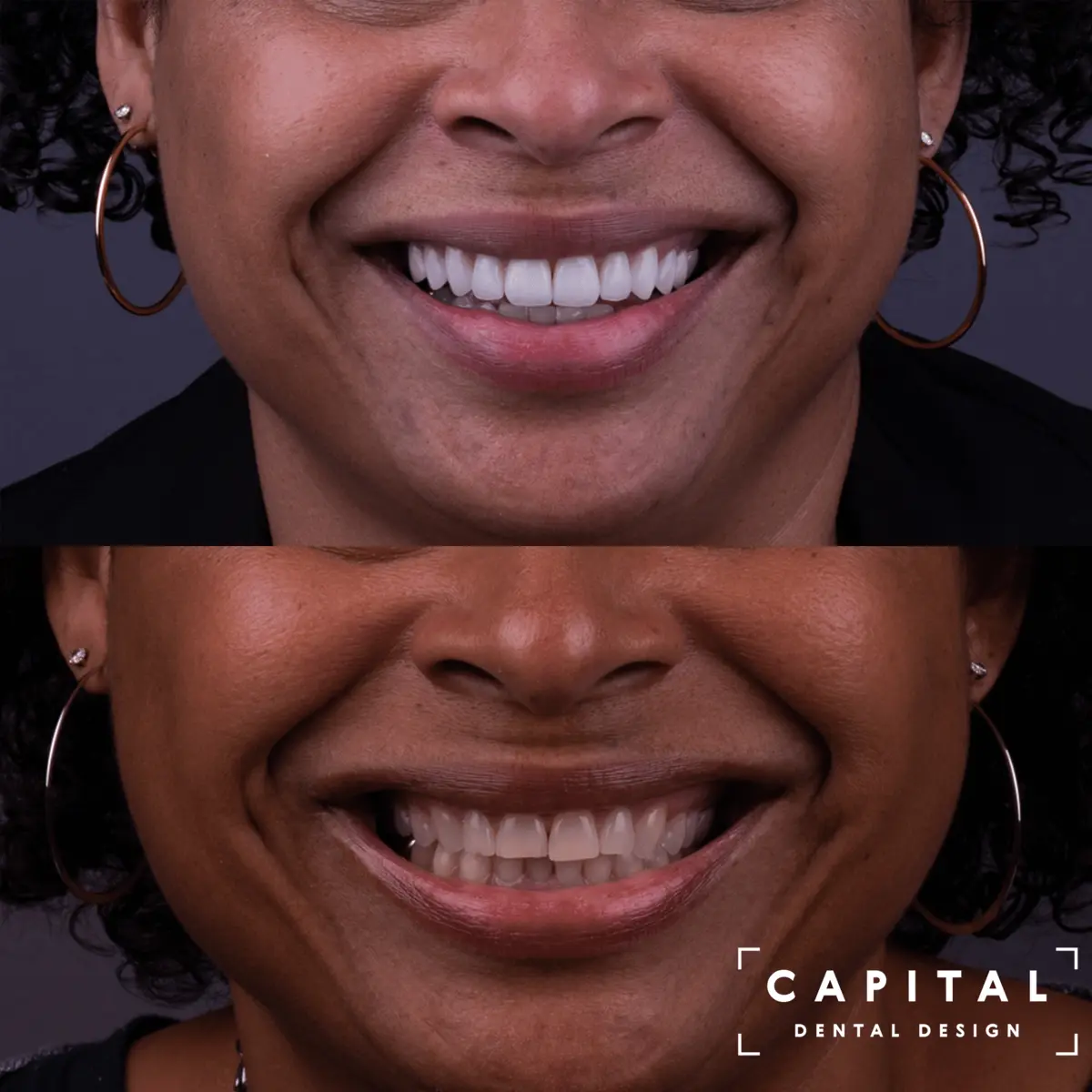
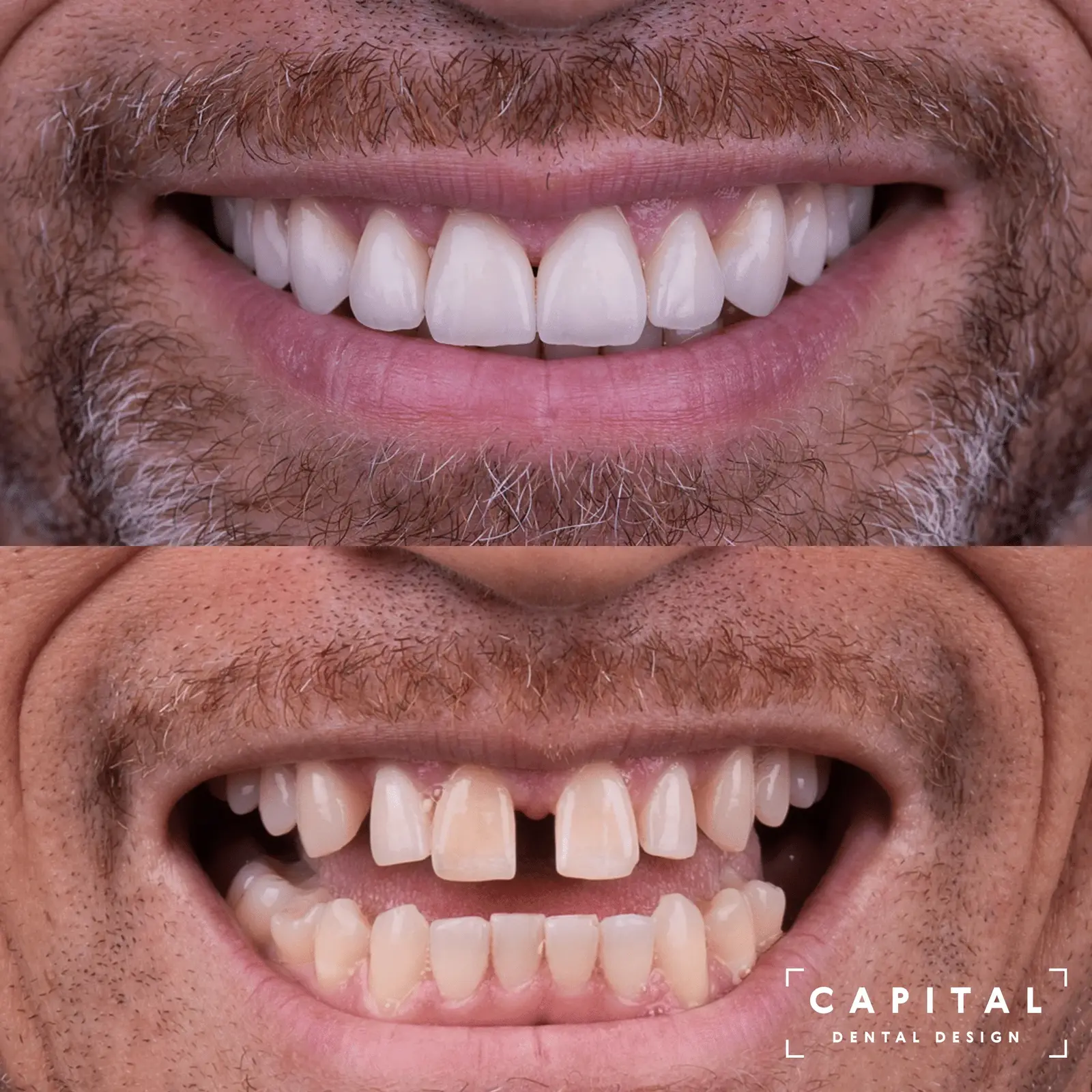
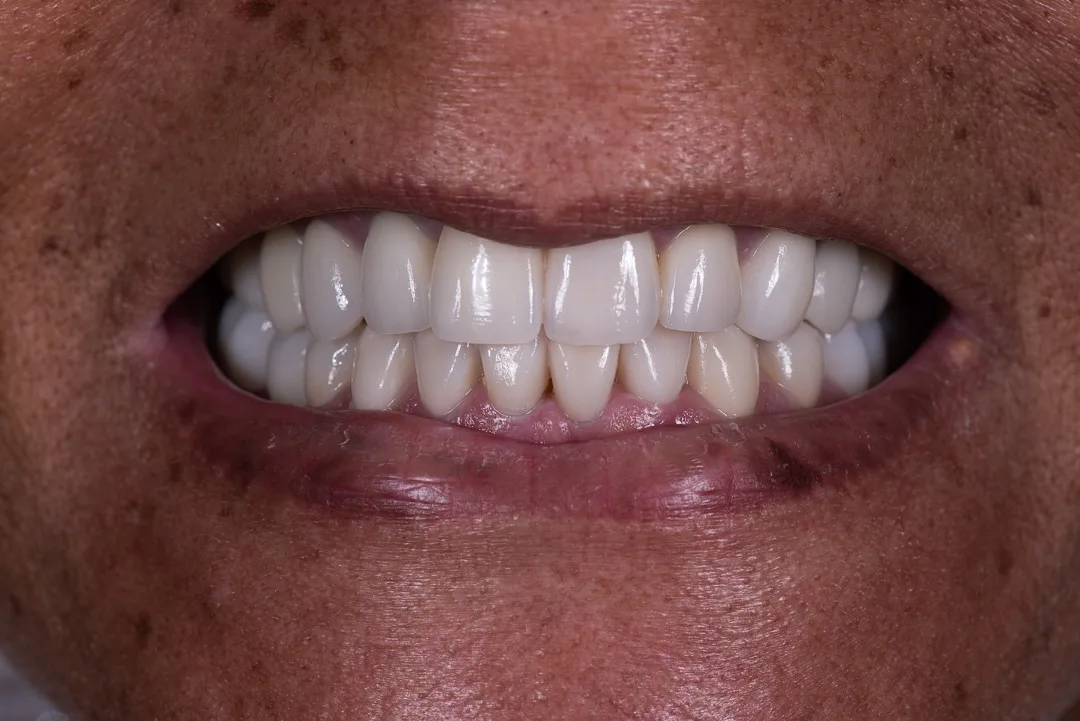

Gaps in the teeth can be fixed with orthodontic treatment, crowns, veneers, or even dental bonding .
Dental bonding is an option many patients choose for its immediate results and low cost, beneficial for patients who do not have the time or the financial means for long, orthodontic treatment.
Dental Bonding for Diastemas
A diastema is simply a gap in the teeth. Dental bonding can be applied to the surface between each tooth to close the gap. Composite bonding is a non-invasive fix that does not require the loss of tooth structure!
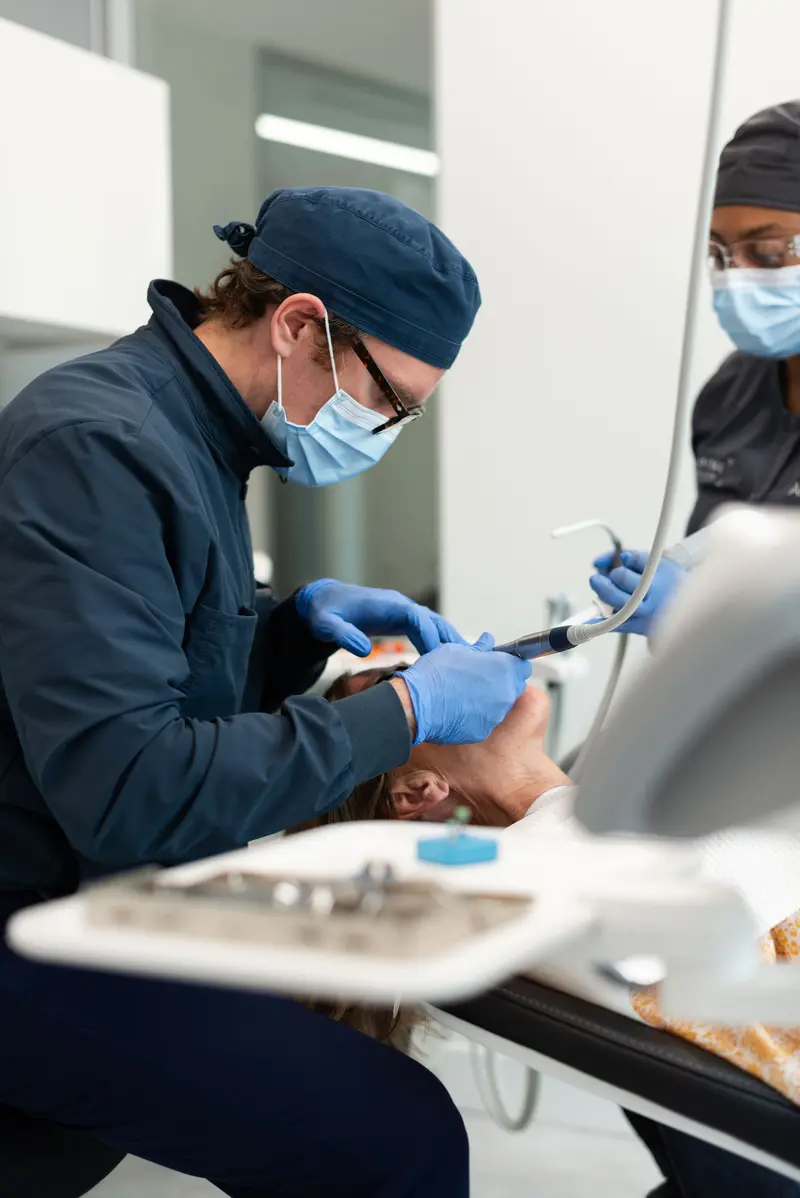
To begin, your dentist will make sure there is no decay in the area being treated. If there is, they will remove the decay then clean and dry the teeth. An acid etching material is then brushed on to give the composite a rough surface to adhere to.
The composite material is then applied, shaped, and cured with an ultraviolet light. Finally, they will refine the shape and polish the area to a natural finish.
How do I know if dental bonding is right for me?
Composite bonding is also susceptible to staining so patients who regularly consume coffee and red wine or tobacco products may be better served with porcelain restorations.
[](https://www.facebook.com/capdental/) [](https://www.instagram.com/capdental/) [](https://www.linkedin.com/company/capital-dental-design/?originalSubdomain=in) [](https://www.youtube.com/channel/UC5UKFLdJXyD5mwsPYqe0hdQ)
Related: How Long Does Dental Bonding Last?
Have questions or ready to schedule? Contact Capital Dental Design today.
Schedule a Consultation