





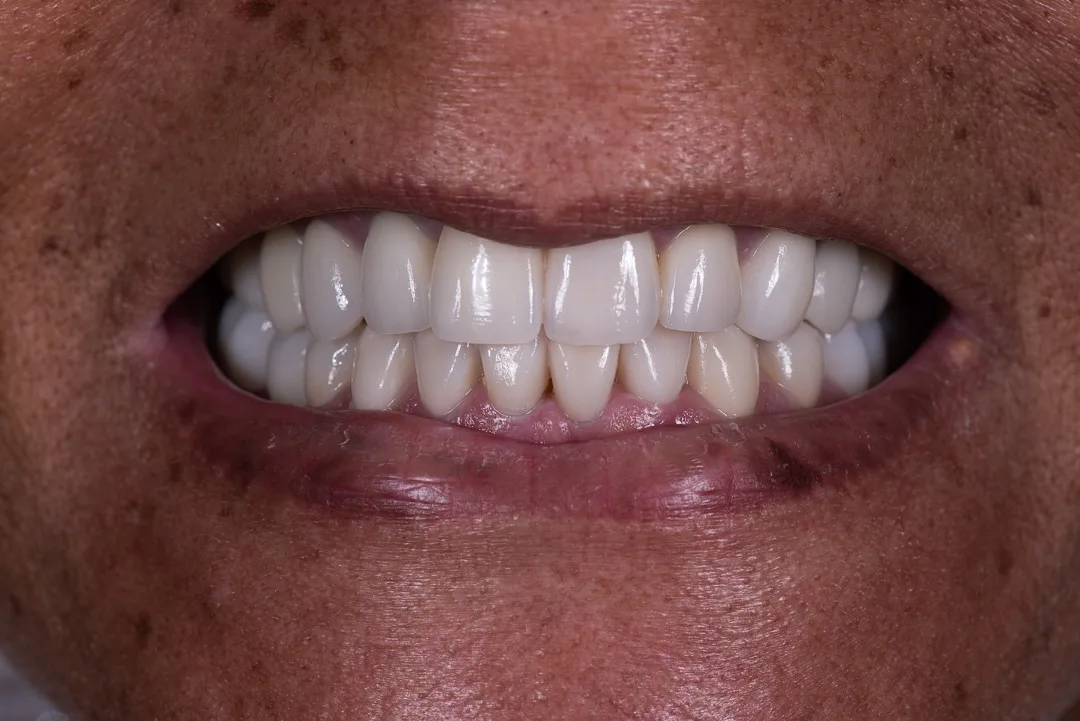

If you’re considering dental implants to replace one or more of your missing natural teeth, you may want to know if Medicare covers dental implants. The short answer to this question is no, but there are enhancements to basic Medicare and outside health providers who do, and there may be costs associated with dental implants that Medicare will cover. In order to understand the various aspects that may or may not be covered by different insurance providers, it’s helpful to understand the basics of the dental implant procedure itself. You may find that there are options available to you to help offset the costs of dental implant treatment.
Dental implants are made up of at least two separate components, though some implants have three parts. The first component is the dental implant post. The dental implant post is a very small cylinder that is surgically implanted into the jawbone. Dental implant posts are made of medical-grade material that is highly attractive to bone tissue yet inert enough to be highly biocompatible; while most implant posts are made of titanium, zirconium implant posts can also be used in some implant procedures. Once the implant post is placed into the bone, the bone is given time to heal, and as it heals, the bone fuses with the implant post, creating a stable anchor that acts just like a tooth’s natural root. Once the bone has fully healed, the implant top is exposed and a dental prosthetic is affixed to it, using an attachment apparatus called an abutment that may or may not be previously built onto the implant post. In a traditional dental implant procedure, a single dental implant is used to support a single dental crown, resulting in a prosthetic tooth that looks and acts just like a healthy natural tooth. Thanks to innovations in materials and design, dental implant options have increased significantly, and now, in some dental implant treatments, as few as two dental implants can be used to sturdily support an entire row of artificial teeth.
Because the health of the jawbone is crucial to the success of dental implants, additional procedures may be required before dental implants can be placed safely. These additional procedures may involve different medical diagnoses and prescriptions that could be included in Medicare plans. The price of dental implant treatment itself is calculated independently of these peripheral procedures, which might include bone grafts and the removal of diseased or infected oral tissue. The cost of dental implants varies vastly and is dependent on many factors, including the doctor’s geographical location, specific health complications each patient may have, the number of implants needed, and the materials, components, and equipment that will be used throughout the dental implant treatment. The dental implant posts are priced separately from the dental restorations they support, and each implant usually costs between $1,000 and $3,000. The prosthetics dental implant posts support can range in price from $500 to as much as $3,000, and the average overall cost of a single dental implant is rarely below $3,000.
If you require hospitalization for any part of the dental implant treatment, this could be covered by Medicare Part A, which covers hospital care. It’s rare to get dental implants placed in a hospital, but it’s possible that certain steps in your dental implant treatment plan could be performed in a hospital setting. Medicare Part A will also cover dental checkups and dental care that is recommended to precede treatments like heart valve replacements and kidney transplants; while dental implants won’t fall into these categories, some of the associated procedures could. Even if you do get part of your treatment in a hospital, make sure to check with the hospital beforehand to ensure that Medicare Part A will cover your actual treatment and not just your hospital admittance.
[... middle omitted — see footer ...]
While there are limited options for dental implant coverage for Medicare recipients, some Medicare Advantage plans could appeal to patients seeking dental implant coverage. Otherwise, you may want to consider a private dental insurance plan, an alternate financing solution, or an alternative to dental implants that is more affordable. There are multiple dental restoration options that are less expensive and less invasive than dental implants, and some of them could be good options for you. While these options also won’t be covered by Medicare, they can be easier to pay for out-of-pocket, and they may be covered, at least in part, by Medicare Advantage.
Denture Stabilization
Showing 4,051 chars (head) + 757 chars (tail) of 7,034 total clean characters.
Full text saved to: /root/.hermes/cache/web/capitaldentaldesign.com-c55e155219.md
To read the omitted middle: read_file path="/root/.hermes/cache/web/capitaldentaldesign.com-c55e155219.md" offset=13 limit=200 (the file is the complete page; raise/lower offset to page through it).
Related: Denture Stabilization
Have questions or ready to schedule? Contact Capital Dental Design today.
Schedule a Consultation