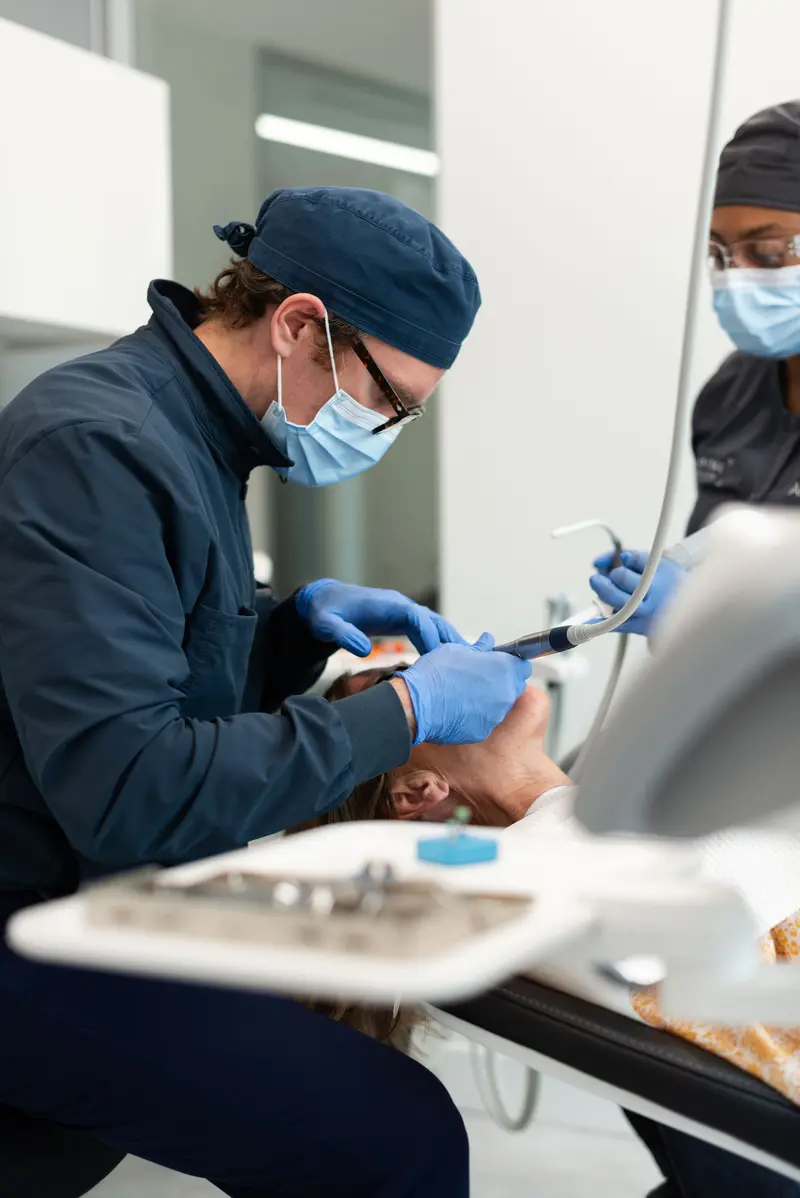




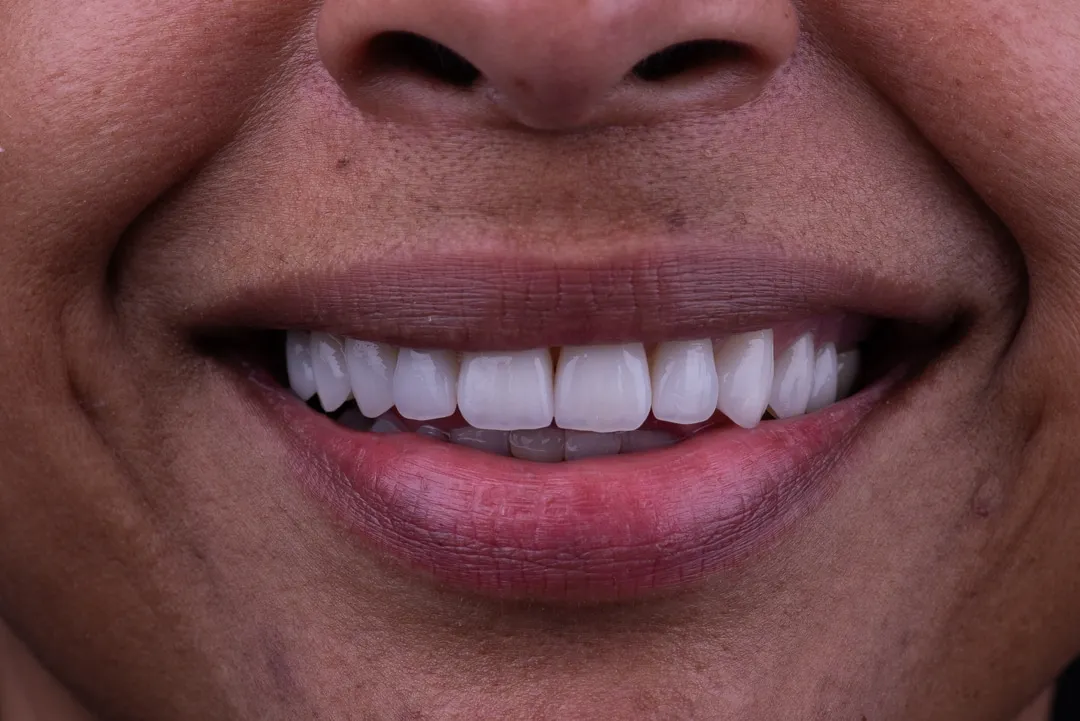

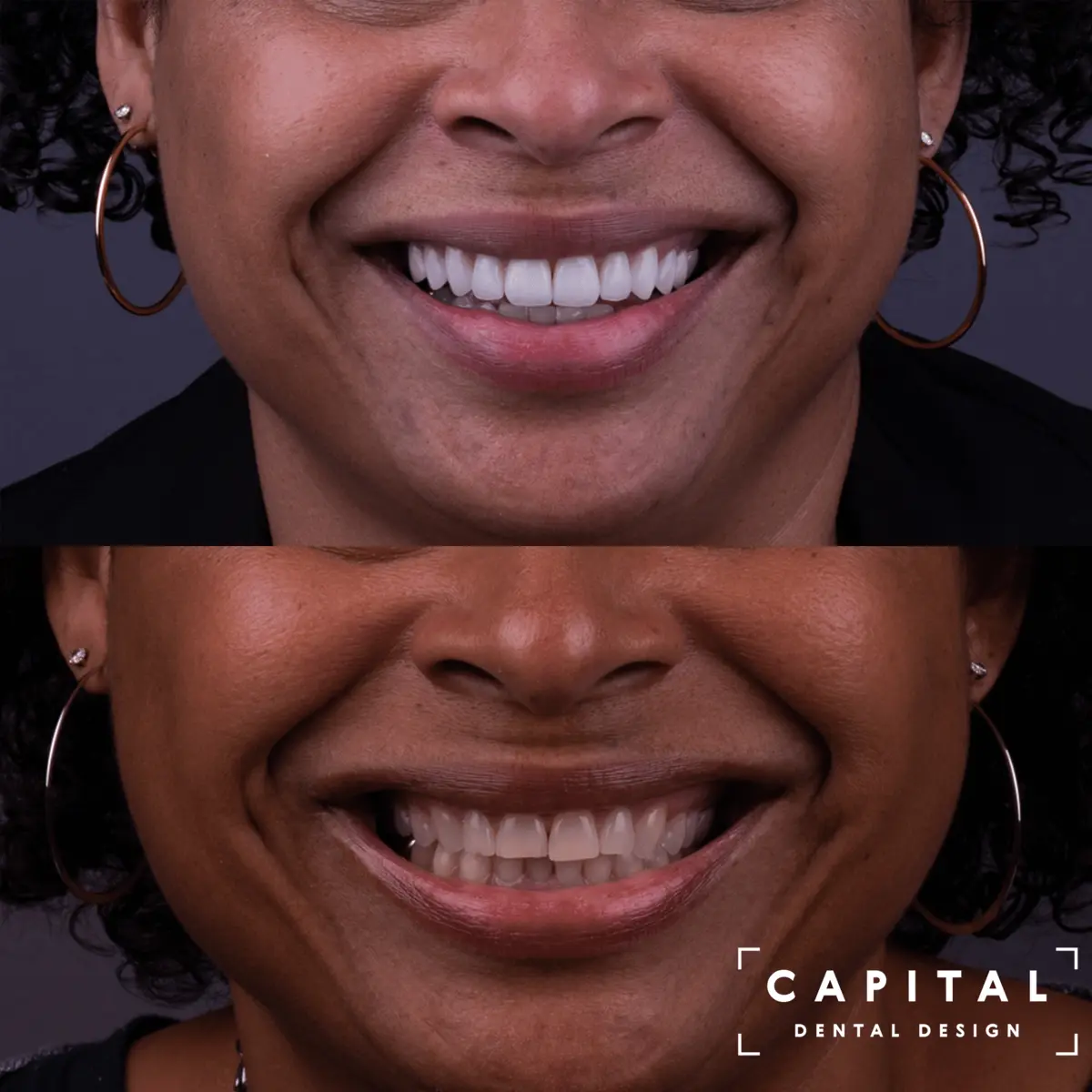
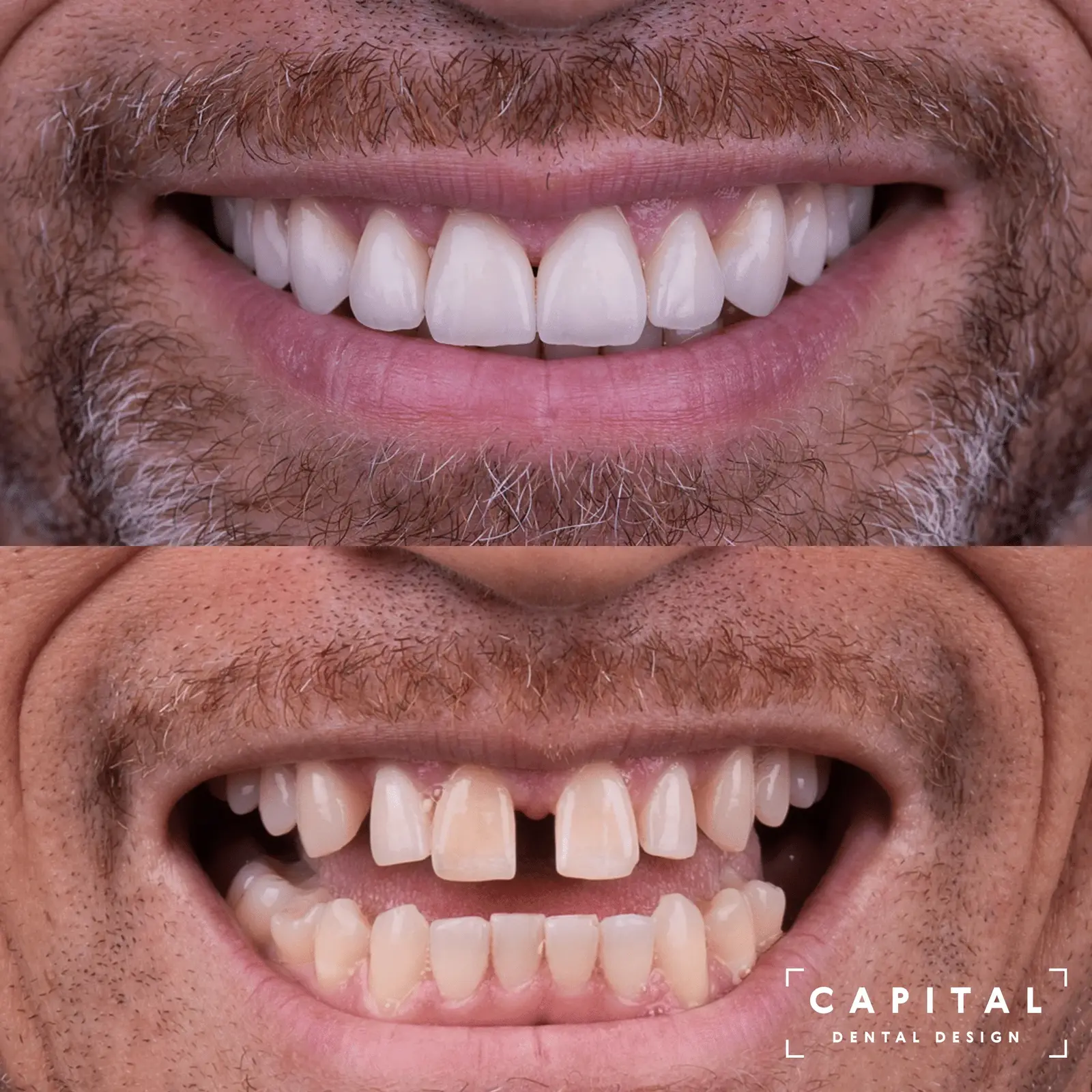
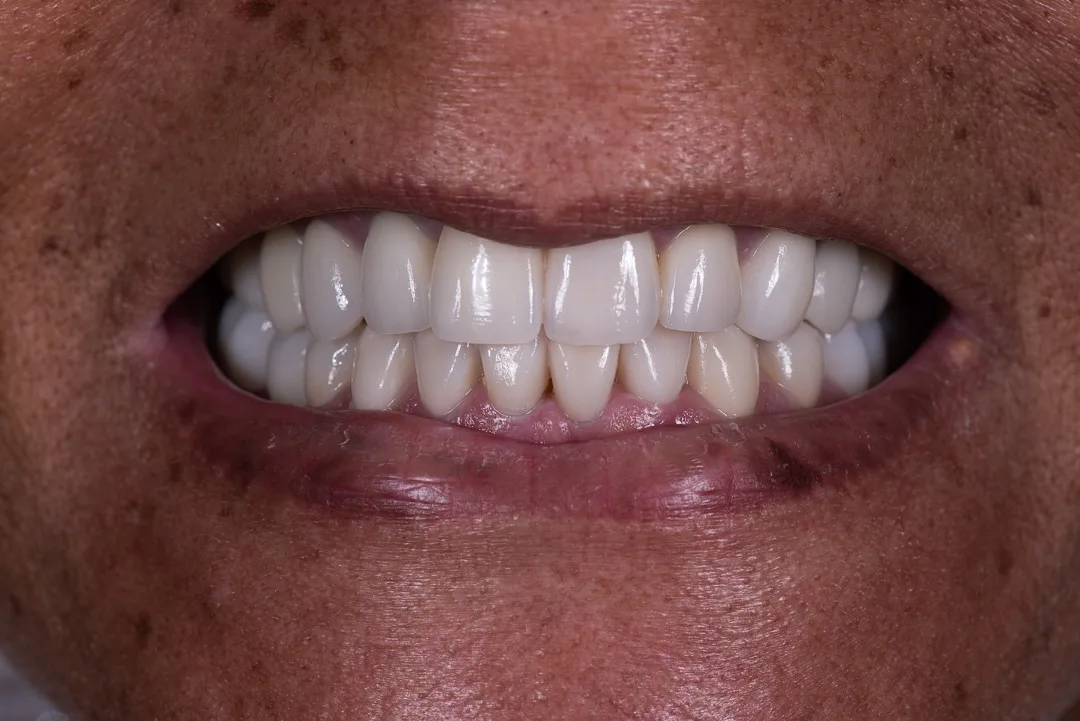

Dental implants are a comprehensive form of tooth replacement. First offered in the early 1960s, dental implant technology has only continued to evolve and improve, resulting in numerous implant solutions available to those seeking to replace missing teeth today.
The dental implants currently available are equally suited for the replacement of a single tooth to the replacement of entire upper and lower arches of teeth; they can stand alone to support prosthetic crowns or work in concert to retain streamlined versions of dental bridges and even dentures.
They can be made to be permanently fixed in the mouth, cared for as simply as one cares for one’s natural teeth; or removable, thereby allowing their user to remove them for thorough cleanings or easy repairs outside of the dentist’s chair.
In short, the flexibility and customization options available in today’s dental implants make them perfectly poised to solve virtually any tooth replacement scenario possible. Enjoying a nearly 95% success rate, they are also safe, effective, and have a thoroughly proven track record.
Installation of Dental Implants
Once the implant fixture is healed in place, a connecting piece called the abutment is then attached to the implant. After the gums have been stitched up and allowed to heal, this connecting piece is what joins the prosthetic crown, bridge, or denture with the foundational support of the implant fixture.
Types of Dental Implants
Typically, titanium implants are designed and installed in three separate pieces: the implant fixture, the abutment, and the prosthetic crown.
Implant Retained Bridges and Dentures
Dental implants can be made to replace a single tooth, which is a use of dental implants that many people are familiar with, but a less commonly recognized use of dental implants is their ability to support implant-retained bridges and dentures.
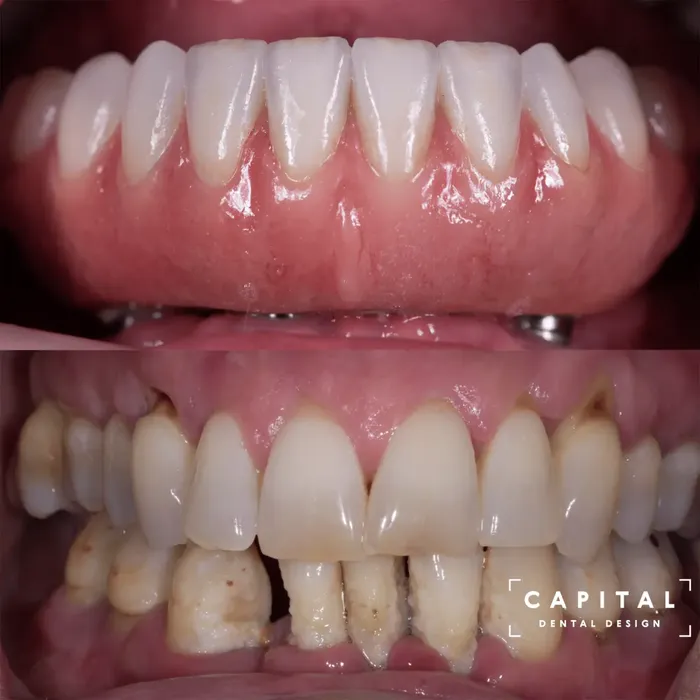
While single dental implant crowns require their own implant, implant-retained bridges and dentures do not require their own individual implants. In fact, an entire arch of implant-retained dentures can be supported by as few as two to four dental implants.
For this very reason, implant-retained dentures are sometimes referred to as “all on four” dentures, in which an arch of dentures is supported by four strategically placed dental implants.
The number of dental implants required for each implant-retained appliance depends on individual cases as well as dentist recommendations, but generally speaking, four to six implants are usually recommended to support a full arch of dentures.
Once the implants are in place, patients are happy to find that the dentures and bridges that they retain are much more streamlined that conventional dentures.
Absent is the bulky acrylic base, as the dentures are held in place by dental implants; many find implant-retained dentures to be a “Goldilocks” middle ground between uncomfortable and ineffective conventional dentures and a full mouth of implants.
Maintaining Dental Implants
Dental Implants for Seniors
[](https://www.facebook.com/capdental/) [](https://www.instagram.com/capdental/) [](https://www.linkedin.com/company/capital-dental-design/?originalSubdomain=in) [](https://www.youtube.com/channel/UC5UKFLdJXyD5mwsPYqe0hdQ)
Related: Dental Implants for Seniors
Have questions or ready to schedule? Contact Capital Dental Design today.
Schedule a Consultation