



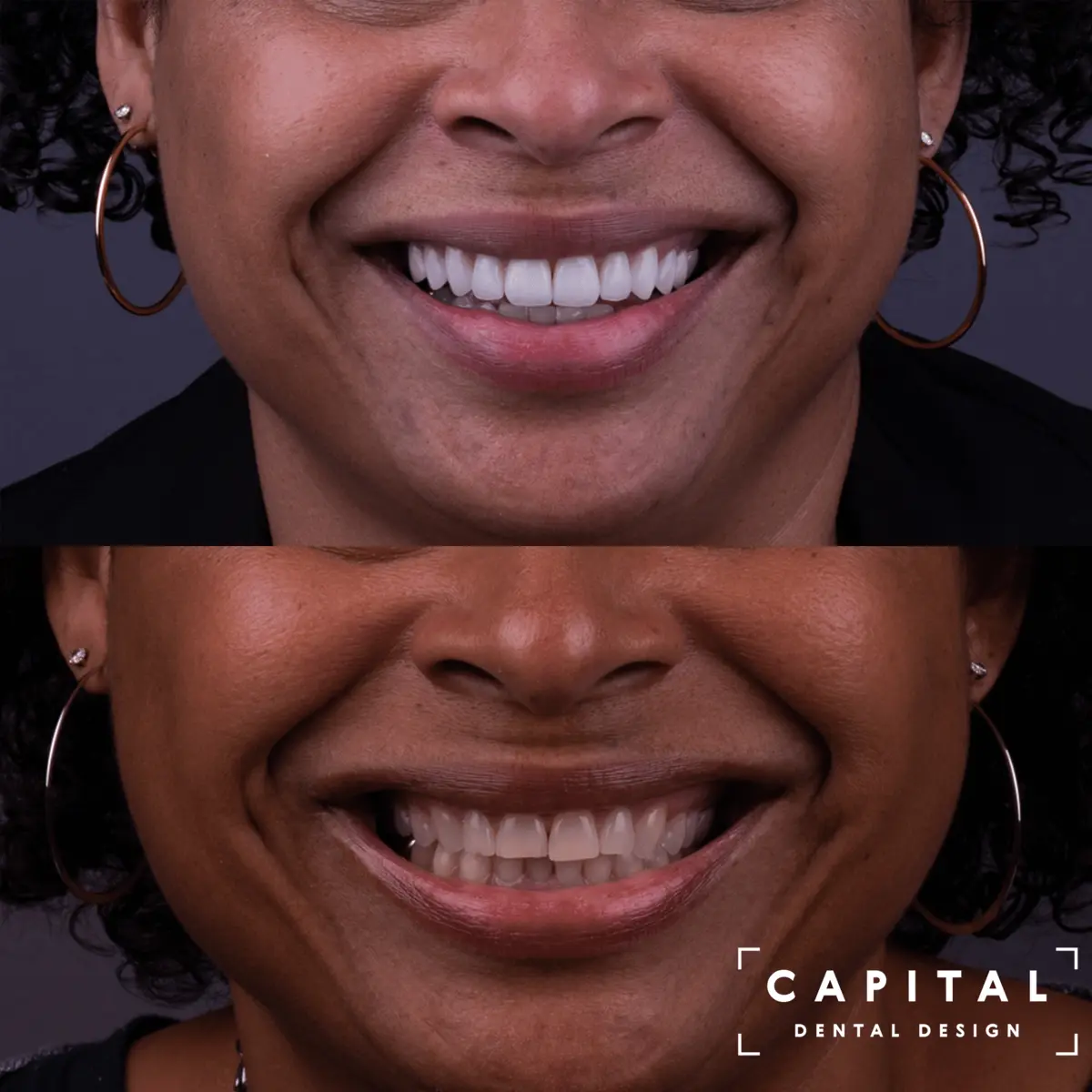
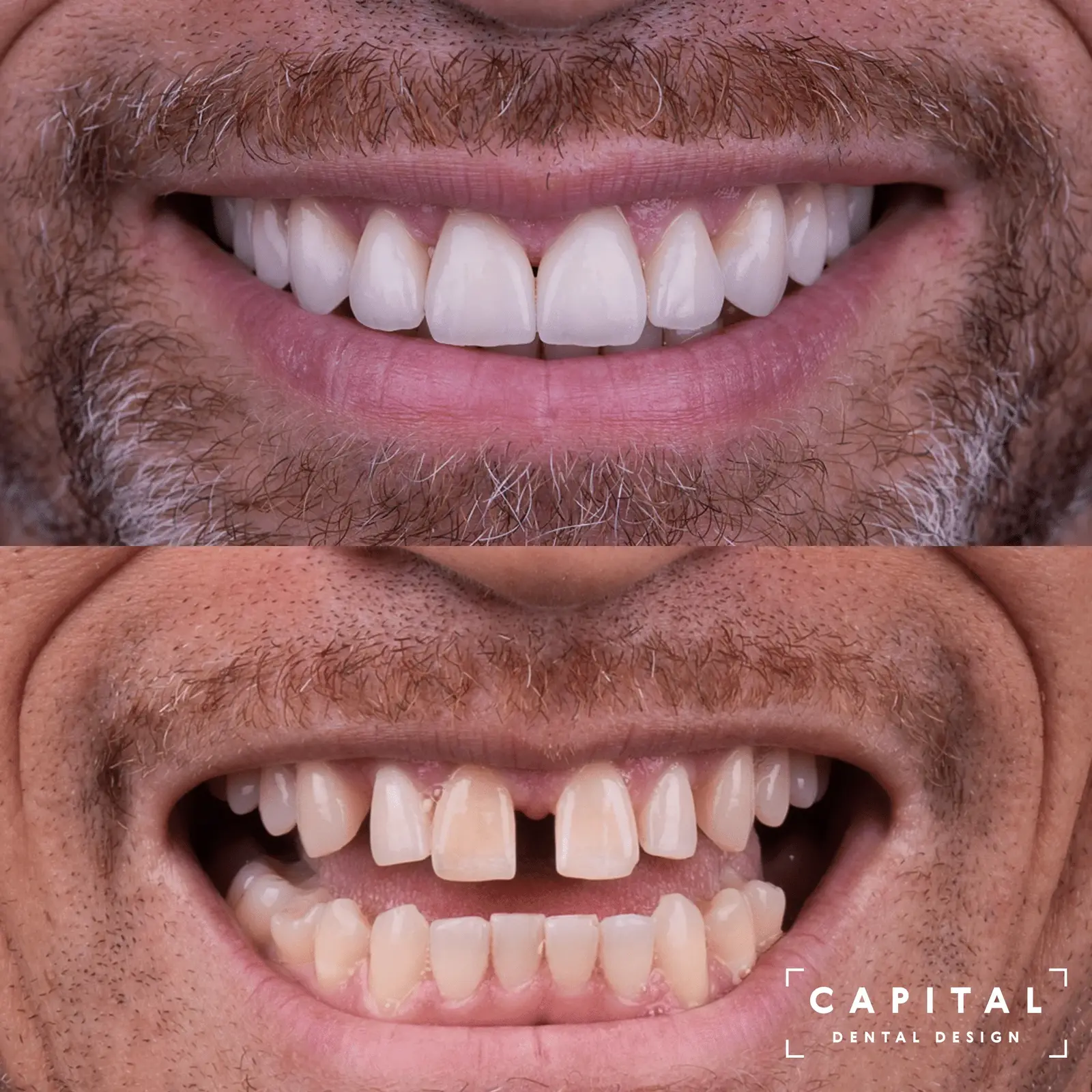
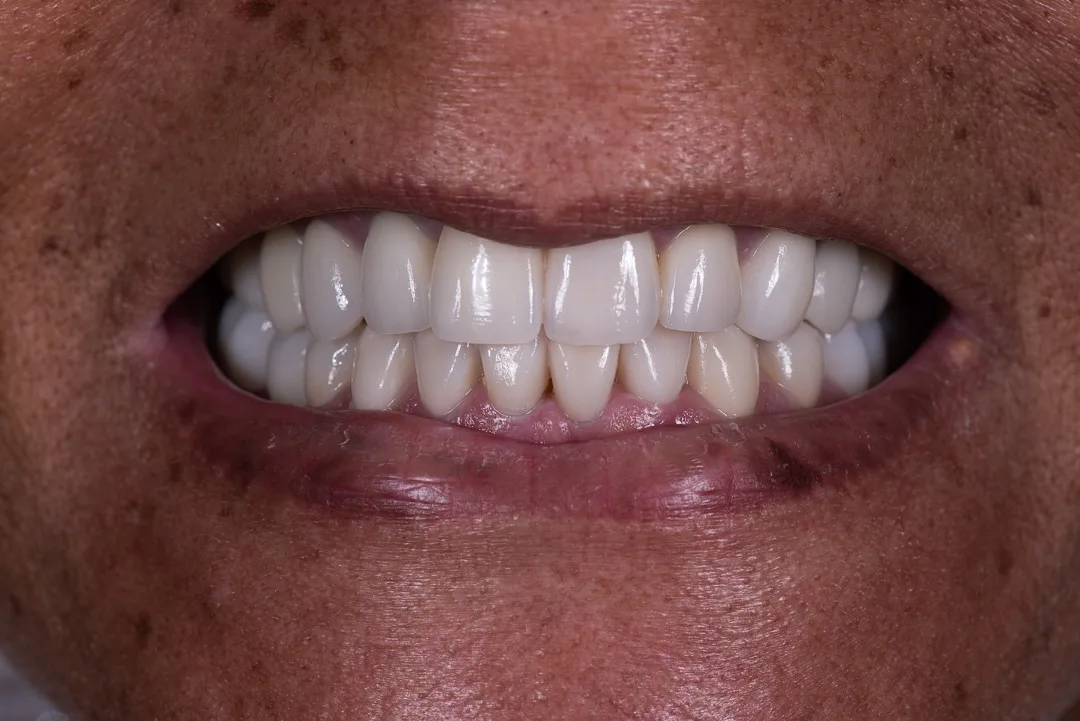
Traditional dentures can have challenges such as slipping, being uncomfortable, require daily removal for cleaning, allow for bone resorption, and generally be difficult to get used to. Fortunately, modern dentistry offers alternative to traditional dentures.
Traditional Dentures
Traditional dentures have been used as a tooth-replacement options for centuries. Based on historical data, it is believe that the earliest dentures were in use as early as the 7th century BC. In the early 1800s, dentures became more mainstream for patients who could afford the cost.
Traditional dentures are affordable and a good option for many patients who need to replace missing teeth.
Unfortunately, traditional dentures continue to have significant limitations and challenges. Dentures sit on top of the gums, which minimizes the bite force and can make them prone to slipping.
Dentures in the upper jaw are more stable compared to dentures in the lower jaw. Upper dentures contain an acrylic palate which adheres to the roof of the mouth through the use of suction. While this provides added stability, the fabricated palate can negatively impact the taste of food and comfort of the dentures.
Because traditional dentures do not stimulate the jawbone, it is prone to bone loss from resorption. As the structure of jawbone changes, the dentures require adjustments. Bone resorption can change the appearance of the face, result in wrinkles, and lead to early signs of aging.
Implant Supported Dentures
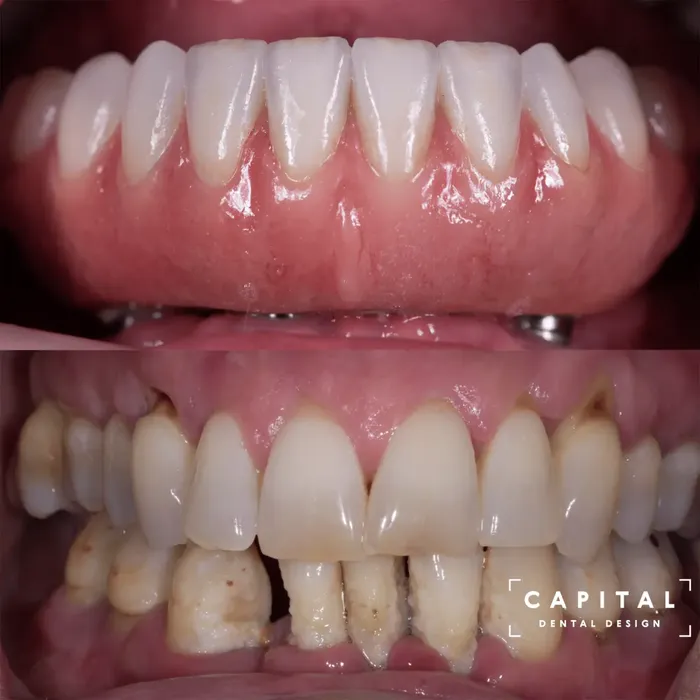
Implant supported dentures can resolve many of the limitations associated with traditional dentures. This solution uses dental implants as the foundation for the dentures. Rather than resting on the gums or using an adhesive, the implants are surgically placed in the jawbone.
Implants provide incredible security and support to the dentures while simultaneously stimulating the jawbone.
There are essentially two different types of implant supported dentures and a hybrid option. The first option is removable overdentures which may also be called implant retained dentures. This solution can be removed from the mouth as needed for sleeping or to clean.
The other option is a fixed implant supported denture or a fixed implant bridge. This solution is permanently secured in the mouth and cleaned just like the natural teeth.
Removable overdentures are more affordable and can be secured using two to four implants.
The number of implants will vary based on the structure of the patient’s mouth. The denture will snap onto the implants with clasps or other types of devices. Because this option just requires a few implants and retaining devices, it only costs slightly more than traditional dentures.
A hybrid option can use a metal bar or similar solution to connect the implants. This allows for an even distributing of forces from chewing and biting. Because this type of implant supported denture will require the placement of additional implants, it is more expensive.
It also gives patients added stability and eliminates most food limitations associated with dentures.
The most expensive, but solution which is closest to the natural teeth is a fixed implant bridge. This solution uses several implants which are placed and attached to a fixed bridge.
Related: How Long Do Overdentures Last
Have questions or ready to schedule? Contact Capital Dental Design today.
Schedule a Consultation