




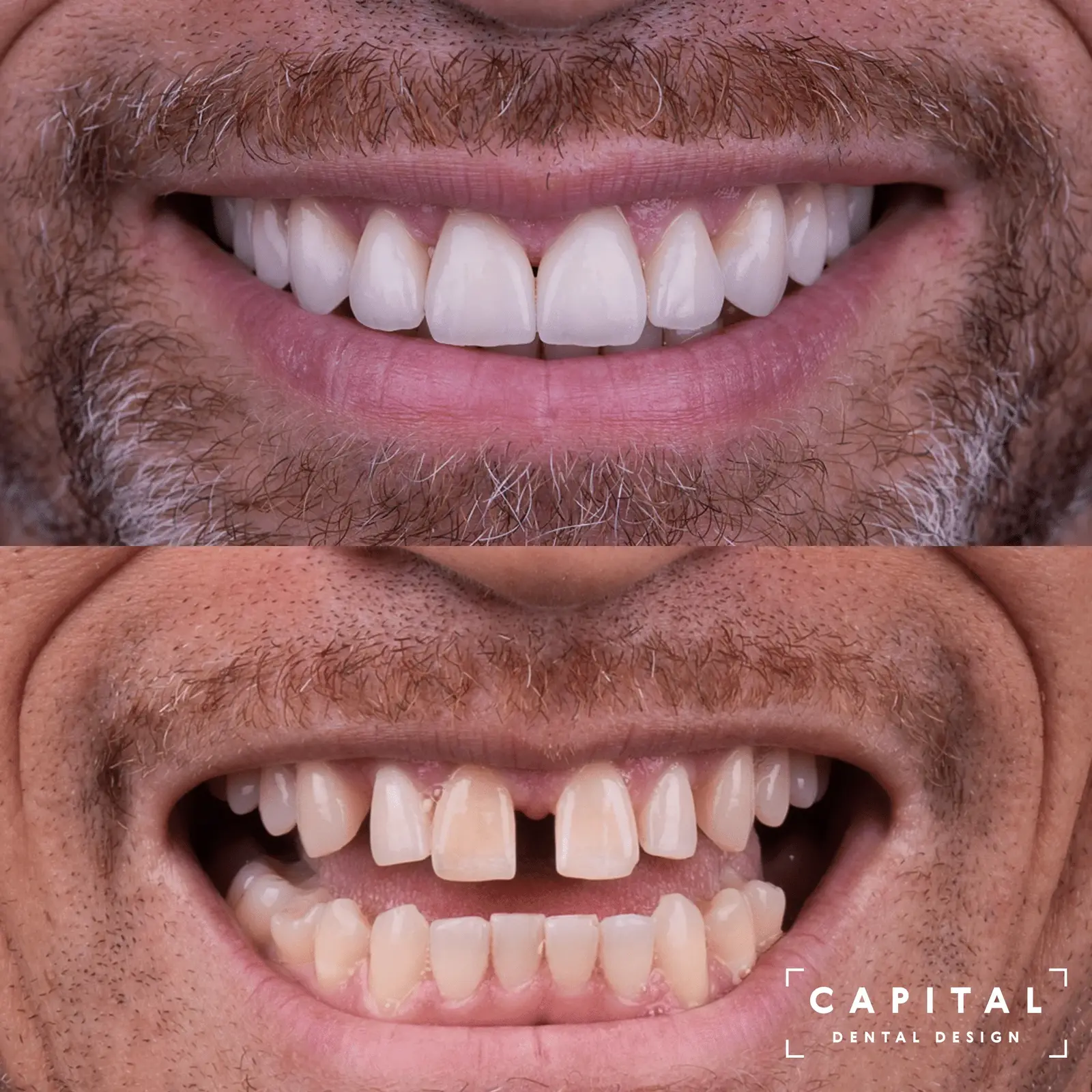
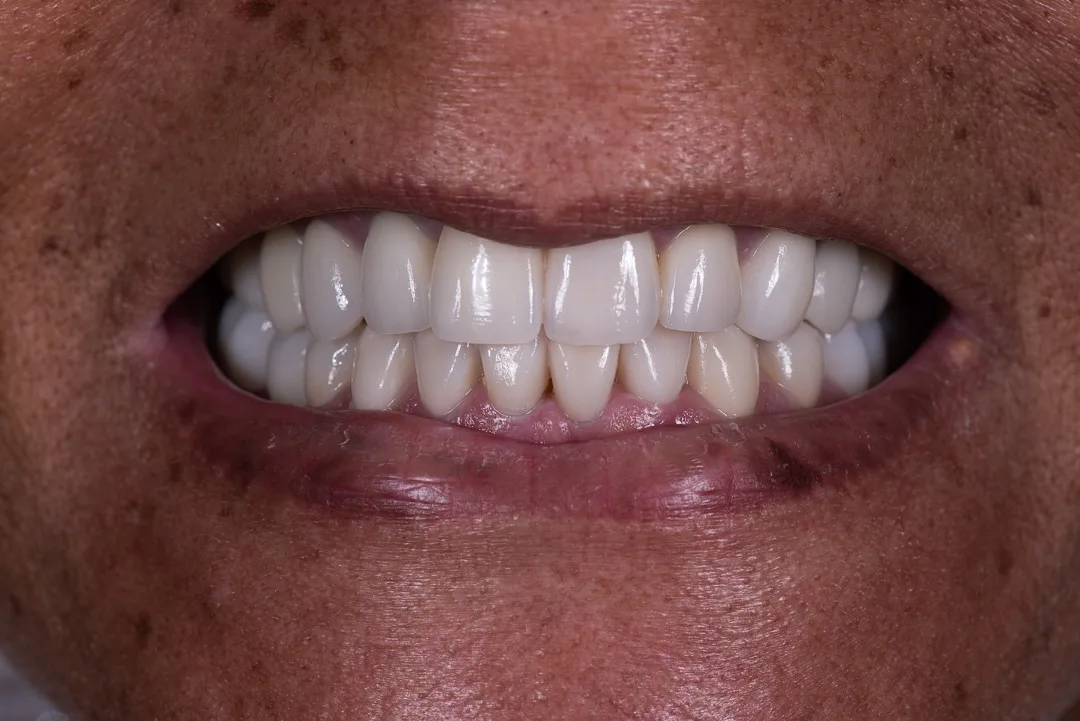

One of the most common dental issues faced by both children and adults is overcrowded teeth. Unfortunately, crowded teeth impact more than just the appearance of the smile; they also can have a significant impact on oral health. If left untreated, crowded teeth can lead to jaw pain, increased risk of cavities, and eventually gum disease and tooth loss. To avoid these long-term risks, it is important to identify the issue early, have the severity assessed, and determine what treatment is needed to protect your long-term oral health.
Does Crowding Get Worse Over Time?
Many adults are surprised to learn that the jaw and teeth continue to shift and change over time, and crowded teeth often become worse with age. Without treatment to prevent this shifting, teeth will continue to move, making necessary treatment increasingly more complex. Addressing the issue early, before crowding continues to get worse, can prevent further misalignment, simplify treatment, and reduce the risk of long-term consequences.
The Risks of Crowded Teeth
In addition to impacting the appearance of the smile, crowded teeth can lead to a number of long-term oral health issues. Early and effective treatment can reduce these risks, which include:
1. Difficulty with Oral Hygiene: When teeth are crowded, it can be much harder to brush and floss effectively. Crowded teeth can create tight spaces where food, plaque, and bacteria are able to accumulate. Over time, this poor daily hygiene can lead to cavities, unhealthy gums, tooth decay, and eventually gum disease.
2. Bite Problems and Jaw Pain: More severe crowding can impact or alter the alignment of the bite. When teeth don’t fit together correctly, it may cause extra stress on the jaw joint, leading to discomfort and chronic pain. Chronic jaw pain and bite issues may even cause headaches and migraines over time.
3. Gum Disease Progression: Crowded teeth impact daily hygiene and contribute to plaque and bacteria buildup, all of which can accelerate the progression of gum disease. Bacteria left to develop in hard-to-reach tight spaces will cause gum irritation, swelling, and bleeding. Left untreated, irritated gums can progress to periodontitis, a severe form of gum disease that can cause tooth and bone loss.
How to Treat Crowded Teeth
The most important factor in addressing crowded teeth is doing so as early as possible to prevent long-term dental issues. Treatment will vary depending on the severity of the crowding; however, an effective treatment plan will help to straighten the teeth for easier daily cleaning, reduce stress on the jaw, and improve the appearance of the smile. The sooner overcrowding is corrected, the more likely the complexity of the treatment will be minimized, reducing overall financial costs and limiting discomfort. If you think you have crowded teeth that may need correction, schedule a consultation with your dental provider or an orthodontist to have your teeth evaluated. Whatever the treatment approach, your provider will help you find the right solution to protect your oral health and prevent complications for years to come.
Related Article: Can Crowded Teeth Fall Out?
Have questions or ready to schedule? Contact Capital Dental Design today.
Schedule a Consultation