




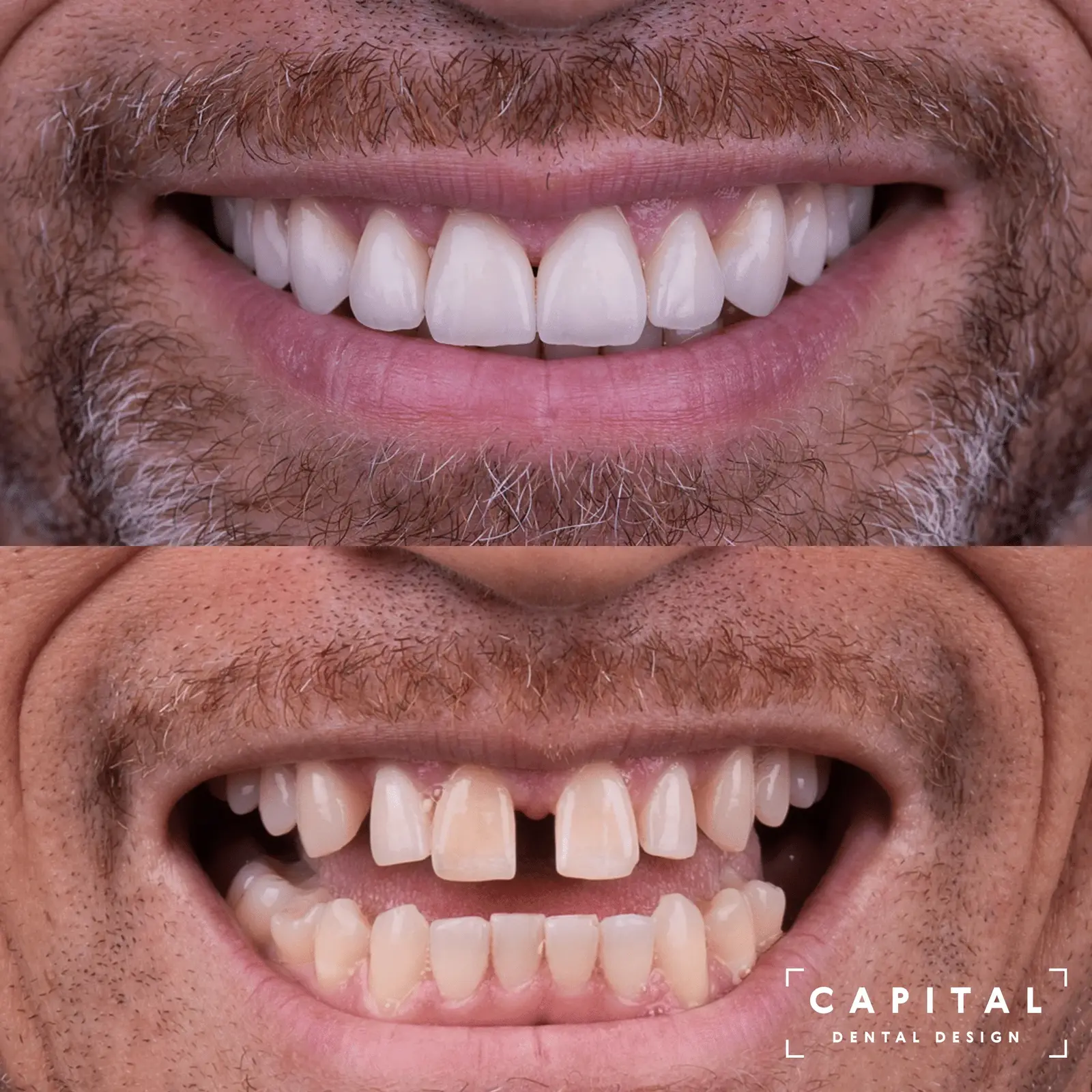
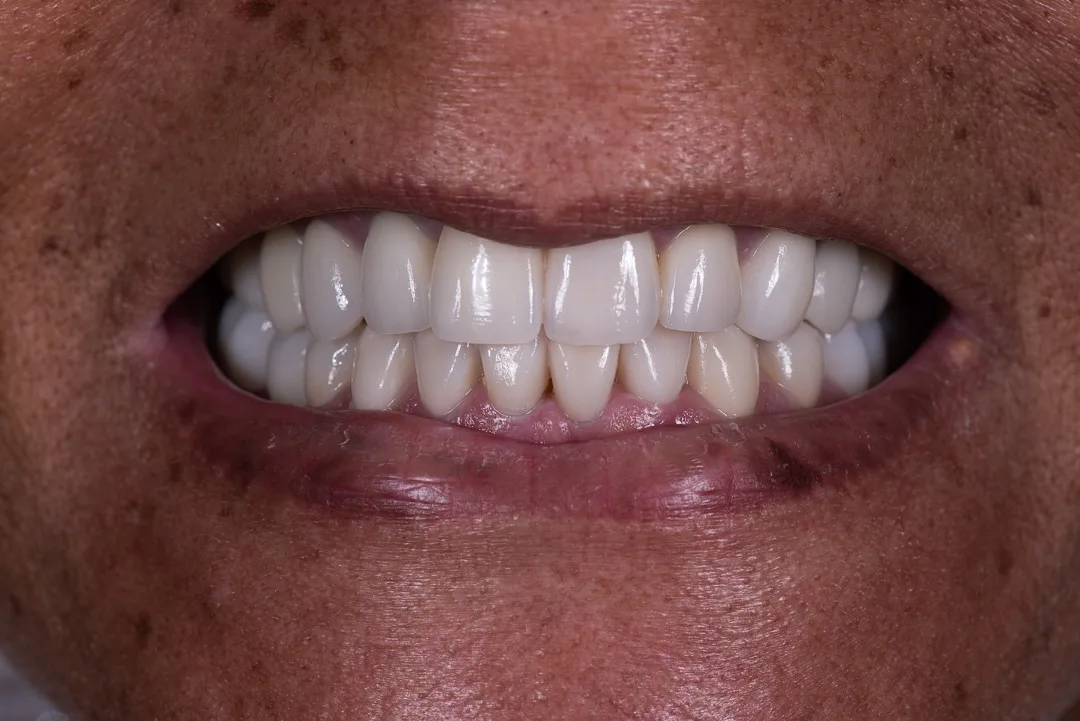

Are you troubled by your crooked, crowded, or misaligned teeth? While crowded teeth are a common dental issue, significantly overcrowded and misaligned teeth can lead to long-term oral health consequences if left untreated. Below is more information on the risks associated with crowded teeth.
What Causes Crowded Teeth?
There are many possible causes of overcrowded teeth, and the common causes differ for children and adults. Many children experience crooked or crowded teeth when baby teeth are replaced by permanent teeth that come in crooked. This sometimes happens because the new permanent tooth is too small to fill the amount of gum space it needs to fill. Additionally, habits such as sucking on a pacifier or thumb can cause baby teeth to shift, push forward, or become crooked. Trauma or damage to the face or mouth may also result in baby teeth falling out prematurely, sometimes causing permanent teeth to grow in slanted rather than straight. Additional causes of crowding for children and young adults include small jaw sizes, poor oral habits, and jaw misalignment.
Many adults are surprised to learn that the risk of teeth crowding increases with age, and treatment may be needed later in life, despite having straight teeth and good alignment earlier in life.
Risks Associated with Crowded Teeth
Beyond being self-conscious about the appearance of their smile, there are additional risks associated with crowded teeth. Health and wellness issues associated with crowded teeth include:
1. Periodontal disease: Extremely crowded teeth can be difficult to brush, floss, and keep clean. If bacteria and plaque are able to build up in hard-to-reach places, it can result in tooth decay and gum disease.
2. Difficulty chewing and with digestion: When teeth are crowded and not aligned properly, it may interfere with daily eating and chewing. When food is not properly chewed, it may cause digestive problems.
3. Breakdown of teeth: When the bite is not aligned properly, it can cause excess wear and tear on the teeth, gums, and jaw muscles. Over time, teeth may break down faster or crack, and jaw strain may result in temporomandibular joint disorder and chronic headaches.
4. Insecurity and low self-esteem: Individuals with crowded teeth may feel insecure about their smile and experience low self-esteem and a loss of confidence as a result.
How Do I Fix Crowded Teeth?
If you have recently decided to take steps to treat your crowded teeth, there are several treatment options to discuss with your dental provider or orthodontist. Treatments such as dental braces, alignment devices, or oral surgery are all effective approaches for people of any age, and the best treatment option will depend on the severity of the crowding and misalignment.
Crowded and misaligned teeth are common dental problems experienced by children, teens, and adults alike, and it is important to know that the issue can become worse as adults age. If you are concerned about crowded teeth for yourself or your loved one, scheduling a consultation with your dental provider is the best first step toward protecting your long-term oral health.
Related Article: What Does Crowding Teeth Mean?
Have questions or ready to schedule? Contact Capital Dental Design today.
Schedule a Consultation